Vibepedia

Candlemass | Vibepedia

doom metal epic doom heavy metal underground metal 80s metal
Candlemass | Vibepedia

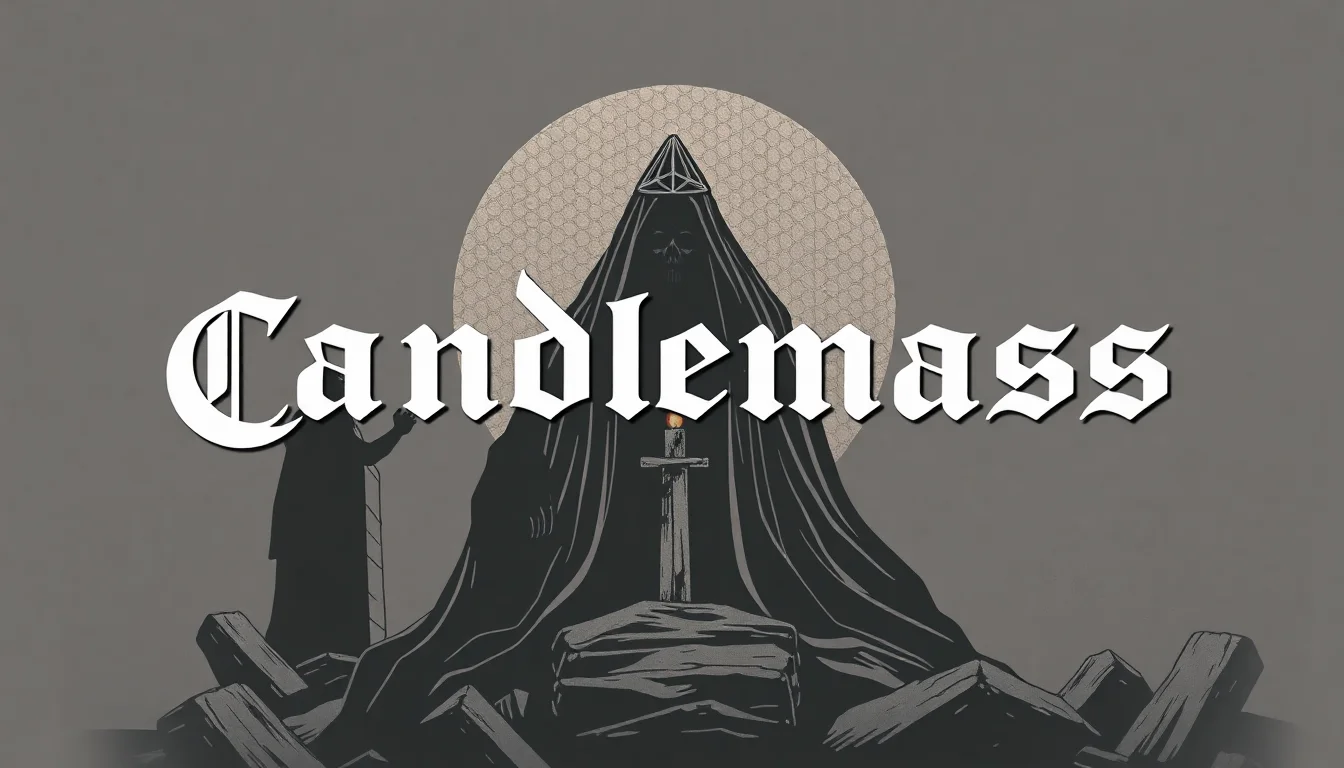
Candlemass stands as a monolithic titan in the pantheon of doom metal, a Swedish outfit that has meticulously crafted a sound synonymous with crushing riffs…

Contents

  1. Origins and Early Sound
  2. The Marcolin Era and Evolution
  3. Legacy and Influence
  4. Cultural Resonance
  5. Frequently Asked Questions
  6. Related Topics

Overview

Candlemass stands as a monolithic titan in the pantheon of doom metal, a Swedish outfit that has meticulously crafted a sound synonymous with crushing riffs, operatic vocals, and an unyielding sense of existential dread. Since their inception in 1984, they have navigated shifts in lineup and label turmoil, yet their core identity has remained remarkably intact: a commitment to slow, heavy, and profoundly melancholic music. Their debut album, [[epicus-doomicus-metallicus|Epicus Doomicus Metallicus]] (1986), is widely regarded as a foundational text for the genre, setting a template for countless bands that followed.

Led for significant periods by the inimitable Leif Edling (bass, songwriting) and later by the soaring, dramatic vocals of [[messiah-marcolin|Messiah Marcolin]], Candlemass has consistently delivered albums that explore themes of death, despair, the occult, and cosmic horror. While their sound is unequivocally doom metal, it's infused with a melodic sensibility and a grandiosity that elevates them beyond mere sonic punishment. This unique blend has earned them a dedicated global following and cemented their status as one of the most influential bands in extreme metal history. Their enduring power lies in their unwavering dedication to a singular, potent aesthetic, proving that sometimes, the most profound statements are made at the slowest tempos.

Origins and Early Sound

Formed in Stockholm, Sweden, in 1984, Candlemass emerged from a fertile underground metal scene. The initial impetus came from bassist and primary songwriter Leif Edling, who sought to create music that was heavier and more atmospheric than anything previously conceived. Influenced by the crushing weight of [[black-sabbath|Black Sabbath]] and the theatricality of bands like [[mercyful-fate|Mercyful Fate]], Edling envisioned a sound that was both monumental and emotionally devastating. The band's early iterations saw various members pass through, but the core vision solidified with the recording of [[epicus-doomicus-metallicus|Epicus Doomicus Metallicus]] in 1986. Recorded with session vocalist Johan Längqvist, this debut was a revelation, a stark, slow-motion descent into sonic darkness that immediately established the band's unique sonic signature.

The Marcolin Era and Evolution

The arrival of vocalist [[messiah-marcolin|Messiah Marcolin]] for the album [[nightfall|Nightfall]] (1988) marked a significant evolutionary leap. Marcolin's operatic, powerful delivery perfectly complemented Edling's increasingly complex compositions, leading to a string of critically acclaimed albums including [[ancient-dreams|Ancient Dreams]] (1989) and [[chapter-vi|Chapter VI]] (1992). These records refined the epic doom sound, layering haunting melodies over immense, downtuned riffs. Despite internal tensions and Edling's temporary departure in the mid-90s, which saw the release of the more experimental [[d-revolutus|Dactylis Glomerata]] under the Candlemass moniker, the band's legacy was secured. They reunited in 2001, embarking on a successful reunion tour and releasing new material that recaptured the spirit of their classic era, such as the powerful [[king-of-the-grey-islands|King of the Grey Islands]] (2007).

Legacy and Influence

Candlemass's influence on the broader metal landscape is undeniable. They are not just pioneers of epic doom metal but have also inspired countless bands across subgenres, from traditional doom and stoner rock to gothic metal and even some avant-garde metal acts. Their ability to blend crushing heaviness with genuine melodicism and lyrical depth provided a blueprint for bands seeking to explore the more somber and epic dimensions of heavy music. Bands like [[solitude-aeturnus|Solitude Aeturnus]], [[my-dying-bride|My Dying Bride]], and [[candlemass-era-bands|many others]] owe a significant debt to the sonic architecture erected by Edling and his collaborators. The band's commitment to artistic integrity, often in the face of commercial pressures, further solidifies their revered status.

Cultural Resonance

Culturally, Candlemass represents a potent counterpoint to the often aggressive and fast-paced nature of extreme metal. They champion introspection, melancholy, and a grand, almost theatrical expression of human suffering. Their music resonates with listeners seeking an outlet for darker emotions, offering a cathartic experience through shared sonic despair. The enduring appeal of their albums, particularly the classic trio of [[epicus-doomicus-metallicus|Epicus Doomicus Metallicus]], [[nightfall|Nightfall]], and [[ancient-dreams|Ancient Dreams]], speaks to the timeless quality of their vision. In an era often characterized by fleeting trends, Candlemass remains a steadfast beacon of pure, unadulterated doom, proving the enduring power of darkness and melody intertwined.

Key Facts

Year
1984-present
Origin
Stockholm, Sweden
Category
music
Type
artist

Frequently Asked Questions

Is Candlemass the same as the religious holiday?

No, the band Candlemass is distinct from the Christian feast day of Candlemass. While the holiday celebrates the Presentation of Jesus at the Temple, the band is a Swedish doom metal group formed in 1985, renowned for pioneering the epic doom metal subgenre. Their music focuses on themes of melancholy, grandeur, and existential weight, not religious observance.

Who are the most important members of Candlemass?

Bassist [[Leif Edling]] is the primary creative force and consistent member throughout the band's history. Vocalist [[Messiah Marcolin]] is often considered the definitive voice of Candlemass for many fans, particularly during their most acclaimed period. However, original vocalist [[Johan Längqvist]] has returned for recent recordings, adding another significant chapter to the band's vocal legacy.

What are the essential Candlemass albums to start with?

For a foundational understanding, Epicus Doomicus Metallicus (1986) is crucial for its raw, genre-defining sound. Nightfall (1987) and Ancient Dreams (1988) are often cited as their masterpieces, showcasing the powerful synergy between Edling's songwriting and Marcolin's vocals. These three albums provide a comprehensive introduction to their epic doom metal sound.

What makes Candlemass 'epic' doom metal?

The 'epic' in epic doom metal, as exemplified by Candlemass, refers to the grand, sweeping, and often theatrical nature of their music. This includes operatic vocal styles, complex song structures that build to powerful climaxes, and lyrical themes that often draw from mythology, fantasy, and profound emotional states, all delivered with immense sonic weight.

Has Candlemass always sounded the same?

While their core identity as epic doom metal pioneers remains, Candlemass has experienced stylistic evolutions and lineup changes. Early works are rawer, while albums with Messiah Marcolin often feature more polished production and vocal prowess. Even with different vocalists and musicians, the fundamental elements of crushing riffs and melancholic atmosphere have persisted, though the intensity and specific flavor can vary.