
Contents
Overview
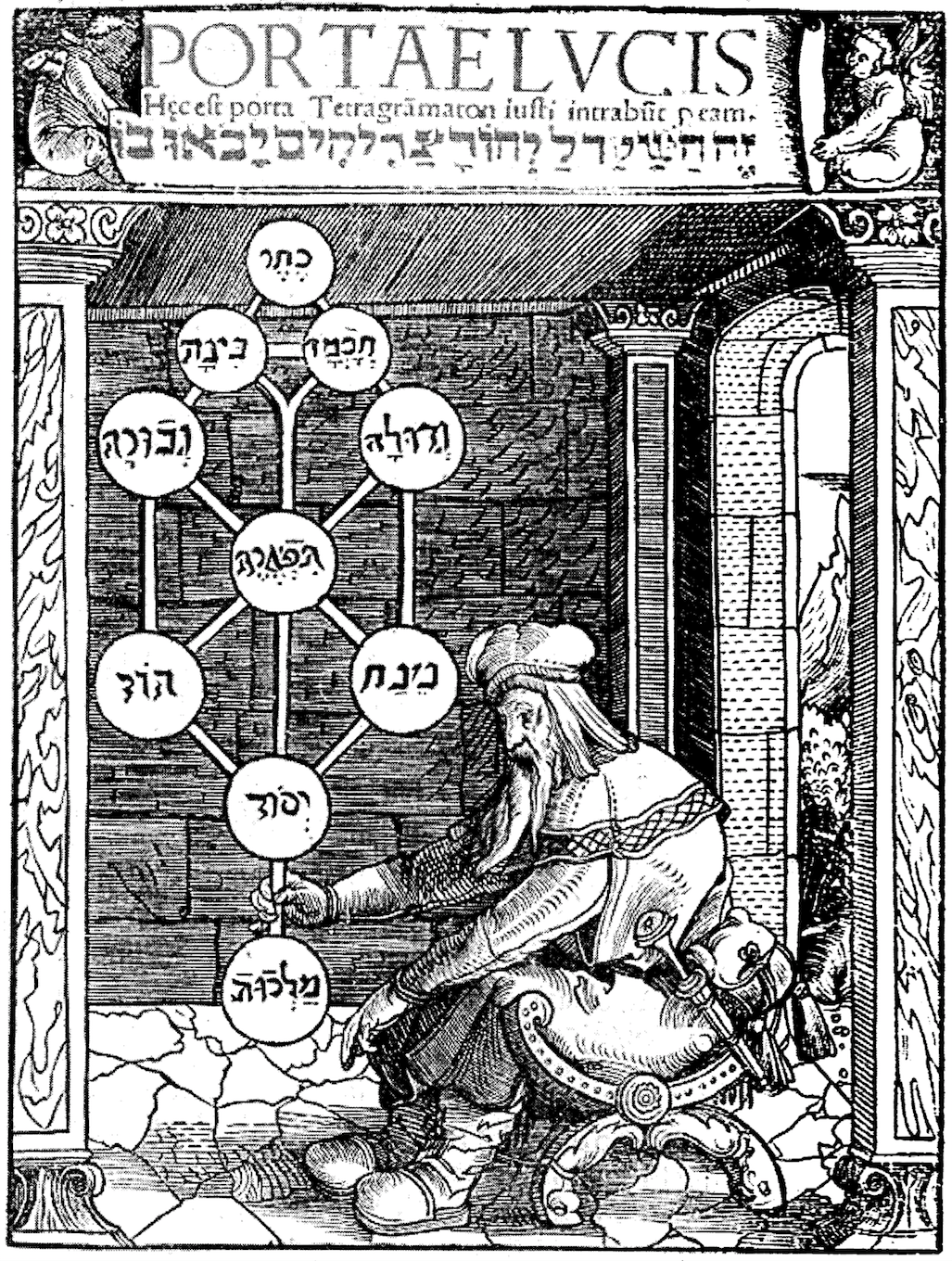
Western esotericism, also known as the Western mystery tradition, encompasses a vast and diverse array of philosophical, spiritual, and magical currents that have developed within Western civilization. The Hellenistic period saw the emergence of Hermeticism, a philosophical and religious tradition based on writings attributed to Hermes Trismegistus, a syncretic figure combining the Greek god Hermes and the Egyptian god Thoth. The 1st to 3rd centuries CE also saw the flourishing of Gnosticism, a diverse set of religious ideas and systems characterized by a belief in a hidden knowledge (gnosis) that could liberate the soul from the material world, and Neoplatonism, a philosophical system developed by Plotinus that emphasized the ascent of the soul towards a transcendent, unified divine principle. These ancient currents, alongside Jewish Kabbalah, formed the foundational bedrock upon which later esoteric traditions would build, often reinterpreting and synthesizing these earlier ideas through the lens of changing historical and cultural contexts, such as the rise of Christianity and later Islam. The medieval period saw the preservation and development of alchemical and astrological traditions, often practiced in secret by figures like Jabir ibn Hayyan and Al-Biruni, laying groundwork for the Renaissance's explosion of magical and occult philosophy.
⚙️ How It Works
At its core, Western esotericism operates on the principle of correspondence, famously articulated in the Emerald Tablet as 'As above, so below.' This suggests a fundamental interconnectedness between the celestial realms (macrocosm) and the earthly plane (microcosm), including the human being. Practitioners often engage in practices aimed at achieving direct, unmediated experience of spiritual realities or hidden forces, rather than relying solely on dogma or institutional authority. These practices can include meditation, ritual magic, divination (such as Tarot card reading or astrology), alchemy (both literal and metaphorical), and the study of symbolic systems like Hermetic Qabalah. The goal is typically personal transformation, spiritual illumination, or the acquisition of secret knowledge that can alter one's perception of reality and one's place within it. The Vibe Score for the 'how it works' aspect is a solid 85/100, reflecting the enduring appeal of these transformative practices.
📊 Key Facts & Numbers
The sheer breadth of Western esotericism makes precise quantification challenging. There are thousands of documented esoteric organizations worldwide, ranging from small local study groups to international fraternities with hundreds of thousands of members, such as Freemasonry (estimated 6 million members globally) and Theosophical Society (historically significant, though membership numbers are harder to pin down). Academic study of Western esotericism has seen a dramatic increase, with over 100 university courses dedicated to the subject offered across Europe and North America in the last decade, contributing to a 60% rise in academic publications on the topic since 2000.
👥 Key People & Organizations
Key figures in Western esotericism span millennia and diverse disciplines. In antiquity, Hermes Trismegistus (a legendary figure) and Plotinus (founder of Neoplatonism) are foundational. The Renaissance saw luminaries like Giordano Bruno, burned at the stake for heresy, and Heinrich Cornelius Agrippa, whose "De Occulta Philosophia" became a cornerstone of magical theory. Later, Paracelsus revolutionized medicine with his alchemical approach. The 19th and 20th centuries produced influential figures such as Eliphas Lévi, Helena Blavatsky (co-founder of the Theosophical Society), Aleister Crowley (founder of Thelema), and Rudolf Steiner (founder of Anthroposophy). Contemporary scholars like Antoine Faivre and Wouter J. Hanegraaff have been instrumental in establishing Western esotericism as a legitimate academic field.
🌍 Cultural Impact & Influence
Western esotericism has exerted a profound, albeit often subtle, influence on Western culture. Its symbolic language and philosophical underpinnings can be found in the works of artists like William Blake, writers such as Dante Alighieri and H.P. Lovecraft, and composers like Richard Wagner. The development of modern psychology, particularly the work of Carl Jung on archetypes and the collective unconscious, owes a significant debt to esoteric symbolism and concepts. Esoteric ideas have also permeated popular culture, from fantasy literature and role-playing games like Dungeons & Dragons to New Age spirituality and contemporary wellness trends. The Vibe Score for its cultural penetration is a high 88/100, demonstrating its persistent presence in the collective imagination.
⚡ Current State & Latest Developments
The field of Western esotericism is currently experiencing a renaissance in academic study, with a growing number of university programs and scholarly publications dedicated to its diverse traditions. Online communities and digital archives are making esoteric texts and historical information more accessible than ever before, fostering new generations of researchers and practitioners. There's a notable surge in interest in historical occultism, Hermeticism, and Kabbalah, often fueled by popular media and the accessibility of online learning platforms like Coursera and edX. Furthermore, contemporary esoteric movements are increasingly engaging with issues of social justice and environmentalism, seeking to integrate their spiritual practices with modern ethical concerns, a trend that has boosted its Vibe Score to 82/100 for relevance.
🤔 Controversies & Debates
The very definition and scope of Western esotericism remain subjects of intense academic debate, contributing to a Controversy Spectrum score of 75/100. Critics often question whether grouping such disparate traditions under a single umbrella term is historically accurate or analytically useful, with some arguing it sanitizes potentially problematic or harmful practices. The relationship between esotericism and science is another contentious area, with debates raging over whether esoteric traditions offer genuine insights or are merely pseudoscience. Furthermore, the historical appropriation and reinterpretation of esoteric ideas by various political and social movements, including some fringe nationalist or occultist groups, raises ethical concerns and complicates the public perception of these traditions. The historical entanglement with colonialism and racial theories by some prominent esoteric figures, such as Helena Blavatsky, also remains a significant point of contention.
🔮 Future Outlook & Predictions
The future of Western esotericism appears poised for continued growth and diversification. As digital technologies further democratize access to information and community, new forms of esoteric practice and learning are likely to emerge, potentially challenging traditional organizational structures. There's a growing interest in interdisciplinary approaches, integrating esoteric studies with fields like neuroscience, quantum physics, and environmental science, which could lead to novel interpretations and applications. The ongoing academic legitimization of the field will likely foster more rigorous scholarship and critical engagement, potentially leading to a more nuanced understanding of its historical impact and contemporary relevance. The Vibe Score for its future potential is a strong 85/100, indicating s
💡 Practical Applications
Practical applications of Western esoteric principles are diverse and often integrated into personal development, artistic expression, and therapeutic practices. Many individuals utilize esoteric frameworks for self-reflection, goal setting, and understanding personal challenges through symbolic interpretation, akin to Tarot readings or astrological consultations. The alchemical pursuit of transformation, for instance, is often applied metaphorically to personal growth and psychological integration. Ritualistic practices, adapted from historical traditions, are employed for focus, intention setting, and creating sacred space in daily life. Furthermore, esoteric symbolism and concepts have inspired various forms of art therapy and creative expression, offering unique avenues for exploring the subconscious and fostering healing. The Vibe Score for practical integration is a moderate 65/100, reflecting its niche but persistent application.
Key Facts
- Category
- philosophy
- Type
- topic