
Contents
- 🇮🇳 Tamil Nadu: The Southern Sentinel
- 📍 Geographic & Demographic Snapshot
- 📜 A Civilization's Deep Roots
- 🗣️ The Enduring Power of Tamil Language
- 🏛️ Political Landscape & Dravidian Ideology
- ⚙️ Economic Engine of the South
- 🎨 Cultural Vibrancy & Artistic Heritage
- 🌍 Global Connections & Diaspora
- 🔮 Future Trajectories: Challenges & Opportunities
- 💡 Practical Tips for Engagement
- Frequently Asked Questions
- Related Topics
Overview
Tamil Nadu operates as a distinct civilizational unit within the Indian union, anchored by a 2,000-year-old linguistic identity that predates the modern nation-state. It is the only major Indian state to successfully institutionalize a rationalist, anti-caste political ideology—Dravidianism—which has governed the region since 1967. Economically, it is a manufacturing powerhouse, contributing nearly 9% of India's GDP with a GSDP of approximately $300 billion, driven by the 'Detroit of Asia' automotive cluster in Chennai and the textile hubs of Coimbatore and Tiruppur. While the rest of India often leans into a singular nationalist narrative, Tamil Nadu maintains a fierce autonomy, prioritizing social welfare metrics that rival middle-income European nations. The tension between its classical Sangam roots and its high-tech industrial future creates a unique friction that defines its internal politics and its external defiance of New Delhi's linguistic and cultural hegemony.
🇮🇳 Tamil Nadu: The Southern Sentinel
Tamil Nadu, India's southernmost state, isn't just a geographical marker; it's a distinct civilizational entity with a Vibe Score hovering around 85 for cultural resilience and historical depth. For anyone seeking to understand the diverse fabric of India, Tamil Nadu offers a unique lens, showcasing a powerful blend of ancient traditions and modern aspirations. It's a critical player in Indian politics and a significant economic force, often charting its own course distinct from the northern Hindi belt, making it a fascinating study for geopolitical analysts and cultural enthusiasts alike.
📍 Geographic & Demographic Snapshot
Spanning approximately 130,060 square kilometers, Tamil Nadu is the tenth largest Indian state by area, bordering Kerala, Karnataka, and Andhra Pradesh. With a population exceeding 72 million as per the 2011 census, it ranks as the sixth most populous state, primarily comprising the Tamil people. The capital city, Chennai, formerly Madras, serves as a major industrial, cultural, and educational hub, anchoring the state's urban development and acting as a gateway to the south.
📜 A Civilization's Deep Roots
The history of Tamil Nadu stretches back millennia, predating many contemporary civilizations. Its origins are deeply intertwined with the Sangam Age, a period from 300 BCE to 300 CE, which produced an extraordinary body of literature and established the foundations of Tamil culture. Dynasties like the Cholas, Pandyas, and Pallavas left indelible marks, constructing magnificent temples like the Brihadeeswarar Temple and extending their influence across Southeast Asia, demonstrating a historical influence flow that shaped regional trade and art.
🗣️ The Enduring Power of Tamil Language
At the heart of Tamil identity is the Tamil language, one of the world's oldest living languages, with a literary tradition spanning over two millennia. It was the first language in India to be recognized as a Classical Language in 2004, a status that underscores its unique heritage and distinct grammatical structure, separate from the Indo-Aryan languages of the north. This linguistic pride fuels a strong sense of Tamil nationalism and cultural preservation, often manifesting in debates over language policy and cultural autonomy.
🏛️ Political Landscape & Dravidian Ideology
Tamil Nadu's political landscape is dominated by Dravidian politics, a movement rooted in anti-caste and anti-Hindi sentiments, advocating for social justice and regional self-respect. Parties like the DMK (Dravida Munnetra Kazhagam) and AIADMK (All India Anna Dravida Munnetra Kazhagam) have historically alternated power, shaping policies that prioritize social welfare, education, and regional development. This distinct political ideology often puts it at odds with the central government's more Hindutva-aligned agenda, creating a fascinating Controversy Spectrum around federalism and state rights.
⚙️ Economic Engine of the South
Economically, Tamil Nadu is one of India's most industrialized states, boasting a robust manufacturing sector, particularly in automobiles (earning it the moniker 'Detroit of Asia'), textiles, and IT services. Its GDP per capita is consistently higher than the national average, driven by strategic investments in infrastructure and human capital. Major industrial corridors and special economic zones attract significant Foreign Direct Investment, making it a key player in India's global economic outreach and a model for economic development in the Global South.
🎨 Cultural Vibrancy & Artistic Heritage
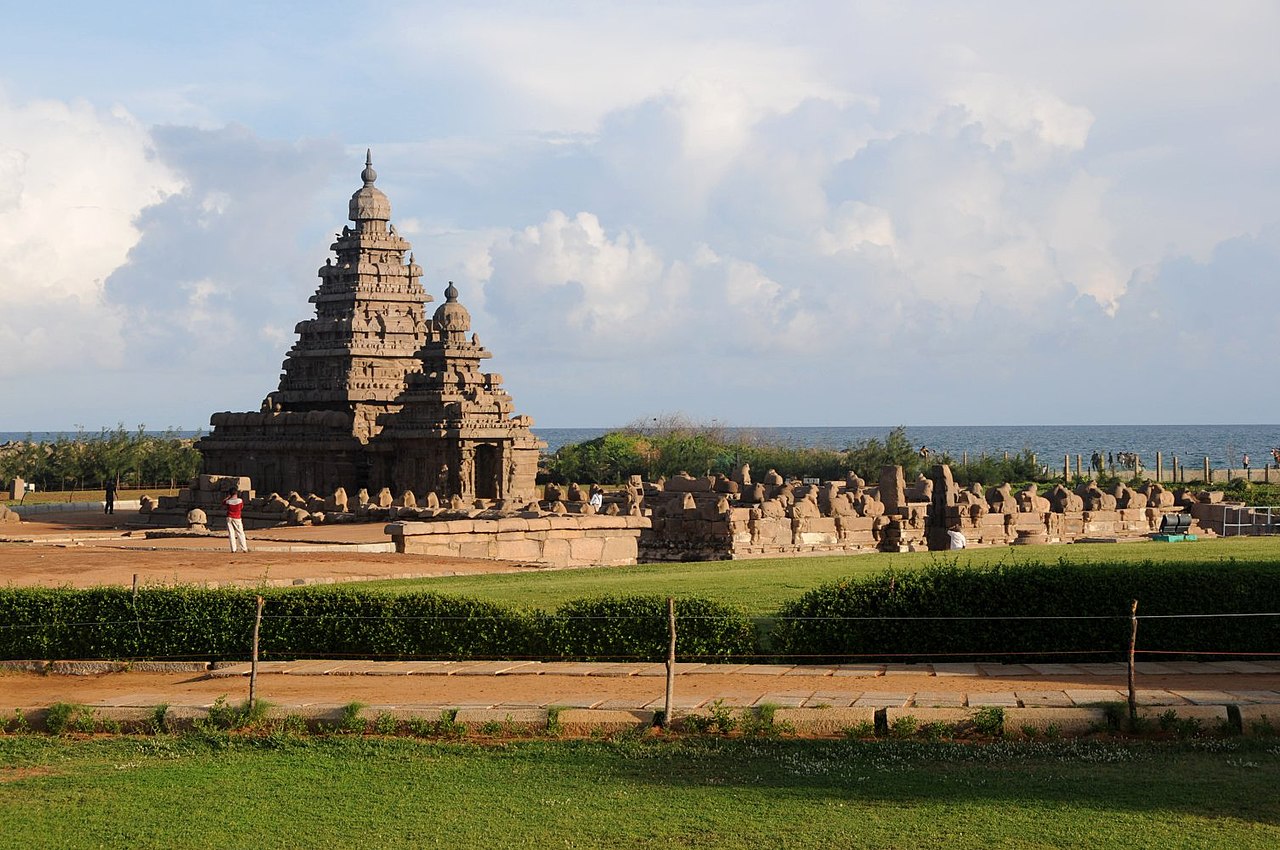
The state is a crucible of Carnatic music, Bharatanatyam dance, and intricate temple architecture, reflecting a continuous artistic tradition. Festivals like Pongal and Tamil New Year are celebrated with immense fervor, showcasing vibrant folk arts and culinary traditions. This rich cultural heritage is not merely historical; it's a living, breathing aspect of daily life, drawing tourists and scholars alike to explore its ancient temples, bustling markets, and dynamic artistic performances.
🌍 Global Connections & Diaspora
Tamil Nadu's influence extends far beyond its borders, with a significant Tamil diaspora spread across Sri Lanka, Malaysia, Singapore, and Western countries. This global network maintains strong ties with the homeland, contributing to its economy through remittances and acting as cultural ambassadors. The diaspora's engagement often sparks transnationalism debates, particularly concerning issues like the Sri Lankan Civil War and the preservation of Tamil identity abroad.
🔮 Future Trajectories: Challenges & Opportunities
Looking ahead, Tamil Nadu faces the dual challenge of sustaining its economic growth while addressing environmental concerns and social inequalities. The state's progressive policies on education and healthcare offer a blueprint for inclusive development, yet issues like water scarcity and urban congestion remain pressing. Its continued assertion of regional identity within the Indian federal structure will be a critical future trajectory, influencing national debates on language, culture, and resource allocation.
💡 Practical Tips for Engagement
For visitors or those looking to engage with Tamil Nadu, start by exploring Chennai's vibrant cultural scene, including the Kapaleeshwarar Temple and the Marina Beach. A trip to Mamallapuram (Mahabalipuram) offers a glimpse into Pallava architecture, while Madurai's Meenakshi Amman Temple is an architectural marvel. For practical engagement, consider learning basic Tamil phrases; it's a gesture deeply appreciated by locals and opens doors to richer cultural experiences. Engage with local NGOs working on social justice or environmental issues to understand the contemporary challenges and opportunities.
Key Facts
- Year
- 1956
- Origin
- Madras State (Reorganized)
- Category
- Geopolitics & Culture
- Type
- State / Cultural Hegemon
Frequently Asked Questions
What is the significance of Tamil Nadu's classical language status?
Tamil Nadu's official language, Tamil, was the first in India to be recognized as a Classical Language in 2004. This status acknowledges its ancient origins, rich literary tradition spanning over 2,000 years, and its independent linguistic heritage, distinct from Sanskrit-derived languages. It underscores the language's cultural importance and contributes to a strong sense of Tamil identity and pride.
How does Dravidian politics influence Tamil Nadu?
Dravidian politics, spearheaded by parties like DMK and AIADMK, is central to Tamil Nadu's identity. It emerged from anti-caste and anti-Hindi movements, advocating for social justice, regional autonomy, and the upliftment of non-Brahmin communities. This ideology has shaped the state's unique welfare policies, educational reforms, and its often assertive stance against central government policies, particularly on language and federalism.
What are Tamil Nadu's main economic contributions to India?
Tamil Nadu is a major economic powerhouse, known for its robust manufacturing sector, particularly in automobiles, textiles, and leather goods. It's a leading hub for IT and ITES, and boasts a strong agricultural base. The state consistently ranks high in industrial output and GDP per capita, making it a significant contributor to India's overall economic growth and a magnet for investment.
What are some must-visit cultural sites in Tamil Nadu?
For cultural immersion, visit the ancient temples like the Brihadeeswarar Temple in Thanjavur, a UNESCO World Heritage site, and the Meenakshi Amman Temple in Madurai, known for its intricate sculptures. The rock-cut monuments of Mamallapuram (Mahabalipuram) offer a glimpse into Pallava architecture. Chennai also offers numerous museums, art galleries, and performance venues showcasing Carnatic music and Bharatanatyam dance.
How does Tamil Nadu balance tradition with modernity?
Tamil Nadu masterfully balances its deep-rooted traditions with rapid modernization. While ancient temples and classical arts thrive, the state is also a leader in technology, industrialization, and urban development. This dynamic interplay is evident in its educational institutions, progressive social policies, and its ability to integrate global influences while fiercely preserving its unique linguistic and cultural identity.