
Contents
Overview
Shamanism is a complex of spiritual practices centered on a practitioner, the shaman, who enters altered states of consciousness to commune with, influence, or mediate with the spirit world. These practices, found across diverse cultures for millennia, aim to achieve healing, divination, and spiritual guidance for individuals and communities. Scholars from anthropology to religious studies have long studied shamanism, recognizing its profound impact on human history and belief systems. While often associated with indigenous cultures, its core elements—altered states, spirit interaction, and healing—resonate in various contemporary spiritual movements, though often in modified forms. The global prevalence and enduring nature of shamanic traditions underscore their fundamental role in human spiritual expression.
🎵 Origins & History
Shamanism likely emerged independently in various parts of the world as early humans sought to understand and influence their environment through spiritual means. Early anthropologists like Mircea Eliade provided foundational academic frameworks for understanding shamanism. Indigenous cultures across Siberia, the Americas, Africa, and Australia have maintained distinct shamanic traditions, each with unique cosmologies and practices, demonstrating a widespread and enduring human impulse to connect with unseen realms.
⚙️ How It Works
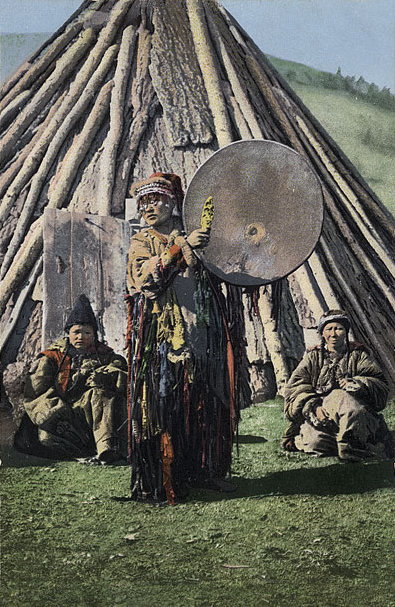
At its core, shamanism involves the shaman acting as an intermediary between the human and spirit worlds. This is achieved through various techniques to induce altered states of consciousness, commonly known as trance. These states can be facilitated by rhythmic drumming, chanting, dancing, fasting, or the use of entheogenic plants like peyote or ayahuasca. Once in trance, the shaman perceives and interacts with spirits, which may include ancestral spirits, nature spirits, or spirit guides. These interactions are not passive; the shaman actively seeks to direct spiritual energies for specific purposes, such as diagnosing and healing illnesses, retrieving lost souls, ensuring successful hunts, or providing guidance through divination, as documented in studies of Siberian shamanism and Native American shamanism.
📊 Key Facts & Numbers
In parts of the Amazon basin, shamanic healing remains a primary form of healthcare for many indigenous groups. Academic research on shamanism spans over 1,000 peer-reviewed articles published annually, reflecting its continued scholarly relevance.
👥 Key People & Organizations
While shamanism is a practice rather than a single organization, key figures have been instrumental in its study and preservation. Mircea Eliade provided foundational academic frameworks for understanding shamanism. Anthropologists like Carlos Castaneda (though his work is debated) and Jeremy Narby have explored shamanic cosmology and plant-based shamanism. Indigenous shamans themselves, such as Don Jose Campos (a Mexican shaman and author) and elders from various Native American tribes, are the living custodians of these traditions. Organizations like the Foundation for Shamanic Studies, founded by Michael Harner, have played a role in researching and teaching core shamanic techniques globally.
🌍 Cultural Impact & Influence
The concept of the shaman as a bridge between worlds has inspired New Age movements and neo-shamanic practices, which adapt traditional elements for contemporary Western audiences. Shamanic healing modalities have influenced therapeutic approaches, with some psychotherapists exploring psychedelic-assisted therapy and ecopsychology concepts that echo shamanic principles of connection to nature and the spirit. The widespread adoption of terms like "shaman" in popular culture, often loosely applied, highlights its deep cultural resonance.
⚡ Current State & Latest Developments
In the 21st century, shamanism exists in a dynamic state, balancing ancient traditions with modern realities. While many indigenous shamanic practices face challenges from globalization, cultural assimilation, and environmental degradation, they also demonstrate remarkable resilience. Neo-shamanic movements continue to grow, offering accessible entry points to shamanic-inspired practices for urban populations, often facilitated through online courses and workshops by groups like The Pachamama Alliance. There's also a resurgence of interest in plant medicine ceremonies, particularly in South America, attracting global participants seeking healing and spiritual insight, though this also raises ethical concerns about cultural appropriation and exploitation. The ongoing documentation and revitalization efforts by indigenous communities themselves, often aided by digital technologies, are crucial for the future of these traditions.
🤔 Controversies & Debates
The authenticity of neo-shamanic practices is questioned by some anthropologists and traditional shamans, who argue that they dilute or misrepresent the complex, context-specific nature of original traditions. The very definition of shamanism is contested, with scholars like Mariko Tamanoi critiquing the broad, often Western-centric, application of the term, arguing it can obscure the diversity of indigenous spiritual leadership.
🔮 Future Outlook & Predictions
The future of shamanism appears to be one of continued adaptation and syncretism. Neo-shamanic practices are likely to evolve, potentially integrating more deeply with contemporary psychological and therapeutic frameworks, perhaps leading to more formalized "shamanic counseling" or "shamanic healing" professions. The growing interest in plant-based medicines for mental health and spiritual exploration suggests a continued demand for experiences that echo shamanic journeys, though regulatory frameworks will likely shape this landscape. For indigenous shamanic traditions, the future hinges on successful cultural preservation efforts, intergenerational knowledge transfer, and the ability to navigate the pressures of modernization and globalization, potentially leading to new forms of hybrid spiritualities that blend ancient wisdom with contemporary life.
💡 Practical Applications
Shamanism's practical applications are diverse and deeply rooted in its historical functions. The most prominent application remains shamanic healing, where practitioners address physical, emotional, and spiritual ailments by seeking the root causes in the spirit world or by restoring energetic balance. Divination, or seeking guidance from the spirit world for future events or decisions, is another key application, historically used for everything from predicting weather for hunting to understanding social conflicts. Shamanic journeying is also employed for personal growth, spiritual development, and connecting with one's inner power or spirit guides. In some contexts, shamanic practices are integrated into community well-being, aiding in ceremonies that mark life transitions, ensure fertility, or foster harmony with the natural environment, as seen in many indigenous cultures.
Key Facts
- Category
- culture
- Type
- topic