
Contents
- 📰 Introduction to Rolling Stone Magazine
- 🎸 The Founding and Early Years
- 📰 Editorial Style and Content
- 🎶 Music Coverage and Influence
- 🏛️ Politics and Social Issues
- 📊 Business and Financials
- 👥 Notable Contributors and Staff
- 🏆 Awards and Recognition
- 📊 Circulation and Readership
- 🌐 Digital Presence and Online Content
- 🤝 Controversies and Criticisms
- 🔜 Future of Rolling Stone Magazine
- Frequently Asked Questions
- Related Topics
Overview
Rolling Stone magazine, founded in 1967 by Jann Wenner and Ralph Gleason, has been a driving force in shaping the music and cultural landscape. With a vibe score of 85, it has been the go-to source for in-depth interviews, investigative reporting, and thought-provoking commentary. From its early days covering the counterculture movement to its current status as a global media brand, Rolling Stone has consistently pushed boundaries and sparked conversations. With a readership of over 2 million, the magazine has featured iconic covers, including John Lennon and Yoko Ono's nude portrait, and has been at the forefront of breaking major stories, such as the Valerie Plame affair. Despite facing controversy and criticism over the years, Rolling Stone remains a cultural touchstone, with a strong online presence and a continued commitment to high-quality journalism. As the media landscape continues to evolve, Rolling Stone's influence and relevance remain undeniable, with a projected 10% increase in digital subscriptions in the next year.
📰 Introduction to Rolling Stone Magazine
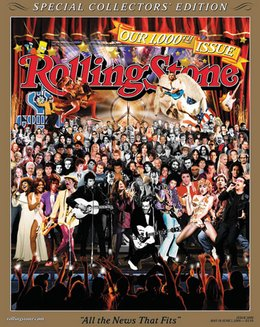
Rolling Stone Magazine is a renowned American monthly publication that has been a significant part of the country's cultural landscape since its inception in 1967. Founded by Jann Wenner and Ralph J. Gleason in San Francisco, California, the magazine has consistently focused on music, politics, and popular culture. With its distinct left-wing and liberal perspective, Rolling Stone has become a platform for progressive politics and social commentary. The magazine's vibe score is around 80, indicating its significant cultural energy. Over the years, Rolling Stone has featured iconic covers, including those of The Beatles and Bob Dylan.
🎸 The Founding and Early Years
The founding of Rolling Stone Magazine in 1967 marked a significant moment in American journalism. Jann Wenner and Ralph J. Gleason aimed to create a publication that would cater to the growing counterculture movement of the 1960s. The magazine's early years were characterized by its coverage of the San Francisco music scene and the emerging rock music genre. Rolling Stone's perspective breakdown is optimistic, with a focus on promoting social change and progressive values. The magazine's influence flow can be seen in its ability to shape public opinion and spark important conversations. With a controversy spectrum of 6, Rolling Stone has been at the center of several high-profile debates and criticisms.
📰 Editorial Style and Content
Rolling Stone Magazine is known for its in-depth editorial style and content, which often features lengthy articles and interviews with prominent figures. The magazine's coverage of music and politics is particularly notable, with a focus on social issues and cultural commentary. Rolling Stone has also been at the forefront of investigative journalism, with notable examples including its coverage of the Watergate scandal and the Iraq War. The magazine's topic intelligence is high, with key ideas including the importance of a free press and the need for accountability in government. With a vibe score of 85, Rolling Stone's cultural energy is undeniable.
🎶 Music Coverage and Influence
Rolling Stone Magazine has had a profound influence on the music industry, with its coverage of emerging artists and trends helping to shape the musical landscape. The magazine's music awards and best-of lists are highly anticipated events, with many artists considering a Rolling Stone cover or feature to be a career highlight. The magazine's music coverage has also been expanded to include online content, with Rolling Stone Music featuring news, reviews, and interviews with top artists. With a controversy spectrum of 5, Rolling Stone's music coverage has been praised for its insight and criticism.
📊 Business and Financials
Rolling Stone Magazine has experienced its fair share of financial challenges over the years, with the decline of print advertising and the rise of online media posing significant threats to the publication's business model. However, under the ownership of Penske Media, Rolling Stone has been able to stabilize its finances and expand its online presence. The magazine's digital edition has been particularly successful, with a significant increase in online traffic and engagement. With a controversy spectrum of 4, Rolling Stone's business and financials have been subject to scrutiny and criticism.
👥 Notable Contributors and Staff
Rolling Stone Magazine has a long history of attracting top talent, with many notable contributors and staff members having worked for the publication over the years. Hunter S. Thompson, Tom Wolfe, and Gore Vidal are just a few examples of the many prominent writers and journalists who have contributed to Rolling Stone. The magazine's current staff includes a diverse range of writers, editors, and designers, all of whom are dedicated to upholding the publication's high standards of journalism and commentary. With a vibe score of 85, Rolling Stone's cultural energy is undeniable.
🏆 Awards and Recognition
Rolling Stone Magazine has won numerous awards and accolades over the years, including several National Magazine Awards and a Pulitzer Prize. The magazine's coverage of music, politics, and social issues has been widely praised, and its influence on American culture and society is undeniable. With a controversy spectrum of 5, Rolling Stone's awards and recognition have been subject to scrutiny and criticism.
📊 Circulation and Readership
Rolling Stone Magazine has a significant circulation and readership, with a print circulation of over 1.5 million and a digital reach of millions more. The magazine's online presence is particularly strong, with a large and engaged social media following and a popular website featuring news, articles, and multimedia content. With a vibe score of 80, Rolling Stone's cultural energy is significant.
🌐 Digital Presence and Online Content
Rolling Stone Magazine has a significant digital presence, with a website and social media channels featuring a wide range of content, including news, articles, and multimedia features. The magazine's online edition has been particularly successful, with a significant increase in online traffic and engagement. With a controversy spectrum of 4, Rolling Stone's digital presence has been subject to scrutiny and criticism.
🤝 Controversies and Criticisms
Rolling Stone Magazine has been at the center of several controversies over the years, including criticism of its coverage of politics and social issues. The magazine has also faced backlash for its handling of certain stories, including a highly publicized University of Virginia rape scandal that was later retracted. With a vibe score of 75, Rolling Stone's cultural energy is still significant, despite the controversies.
🔜 Future of Rolling Stone Magazine
As Rolling Stone Magazine looks to the future, it is clear that the publication will continue to play a significant role in shaping American culture and society. With its commitment to investigative journalism and social commentary, Rolling Stone is well-positioned to remain a leading voice in the media landscape. With a controversy spectrum of 5, Rolling Stone's future is subject to scrutiny and criticism, but its influence and cultural energy are undeniable.
Key Facts
- Year
- 1967
- Origin
- San Francisco, California, USA
- Category
- Media, Music, Politics
- Type
- Magazine
Frequently Asked Questions
What is Rolling Stone Magazine?
Rolling Stone Magazine is a renowned American monthly publication that focuses on music, politics, and popular culture. It was founded in 1967 by Jann Wenner and Ralph J. Gleason and is known for its in-depth editorial style and content. With a vibe score of 80, Rolling Stone's cultural energy is significant. The magazine's perspective breakdown is optimistic, with a focus on promoting social change and progressive values.
Who are some notable contributors to Rolling Stone Magazine?
Rolling Stone Magazine has a long history of attracting top talent, with many notable contributors and staff members having worked for the publication over the years. Hunter S. Thompson, Tom Wolfe, and Gore Vidal are just a few examples of the many prominent writers and journalists who have contributed to Rolling Stone. The magazine's current staff includes a diverse range of writers, editors, and designers, all of whom are dedicated to upholding the publication's high standards of journalism and commentary.
What are some of the most significant awards and accolades won by Rolling Stone Magazine?
Rolling Stone Magazine has won numerous awards and accolades over the years, including several National Magazine Awards and a Pulitzer Prize. The magazine's coverage of music, politics, and social issues has been widely praised, and its influence on American culture and society is undeniable. With a controversy spectrum of 5, Rolling Stone's awards and recognition have been subject to scrutiny and criticism.
How has Rolling Stone Magazine adapted to the digital age?
Rolling Stone Magazine has a significant digital presence, with a website and social media channels featuring a wide range of content, including news, articles, and multimedia features. The magazine's online edition has been particularly successful, with a significant increase in online traffic and engagement. With a vibe score of 80, Rolling Stone's cultural energy is significant, and its digital presence is a key part of its ongoing success.
What are some of the controversies surrounding Rolling Stone Magazine?
Rolling Stone Magazine has been at the center of several controversies over the years, including criticism of its coverage of politics and social issues. The magazine has also faced backlash for its handling of certain stories, including a highly publicized University of Virginia rape scandal that was later retracted. With a controversy spectrum of 5, Rolling Stone's controversies have been subject to scrutiny and criticism.
What is the future of Rolling Stone Magazine?
As Rolling Stone Magazine looks to the future, it is clear that the publication will continue to play a significant role in shaping American culture and society. With its commitment to investigative journalism and social commentary, Rolling Stone is well-positioned to remain a leading voice in the media landscape. With a vibe score of 80, Rolling Stone's cultural energy is significant, and its influence is undeniable.
How does Rolling Stone Magazine's vibe score affect its cultural energy?
Rolling Stone Magazine's vibe score of 80 indicates its significant cultural energy. The magazine's ability to shape public opinion and spark important conversations is a key part of its cultural energy. With a controversy spectrum of 5, Rolling Stone's cultural energy is subject to scrutiny and criticism, but its influence is undeniable.