
Contents
- 🌎 Introduction to Noise Pollution
- 🚧 The Impact of Urban Planning on Noise Levels
- 🎧 Sources of Noise Pollution in Residential Areas
- 🚗 Transportation and Noise Pollution
- 🏭 Industrial Noise Pollution
- 🌟 The Effects of Noise Pollution on Human Health
- 🐝 The Impact of Noise Pollution on Wildlife
- 📊 Measuring and Mitigating Noise Pollution
- 👥 Community Responses to Noise Pollution
- 🔜 The Future of Noise Pollution Regulation
- 📈 Economic Impacts of Noise Pollution
- 🌐 Global Perspectives on Noise Pollution
- Frequently Asked Questions
- Related Topics
Overview
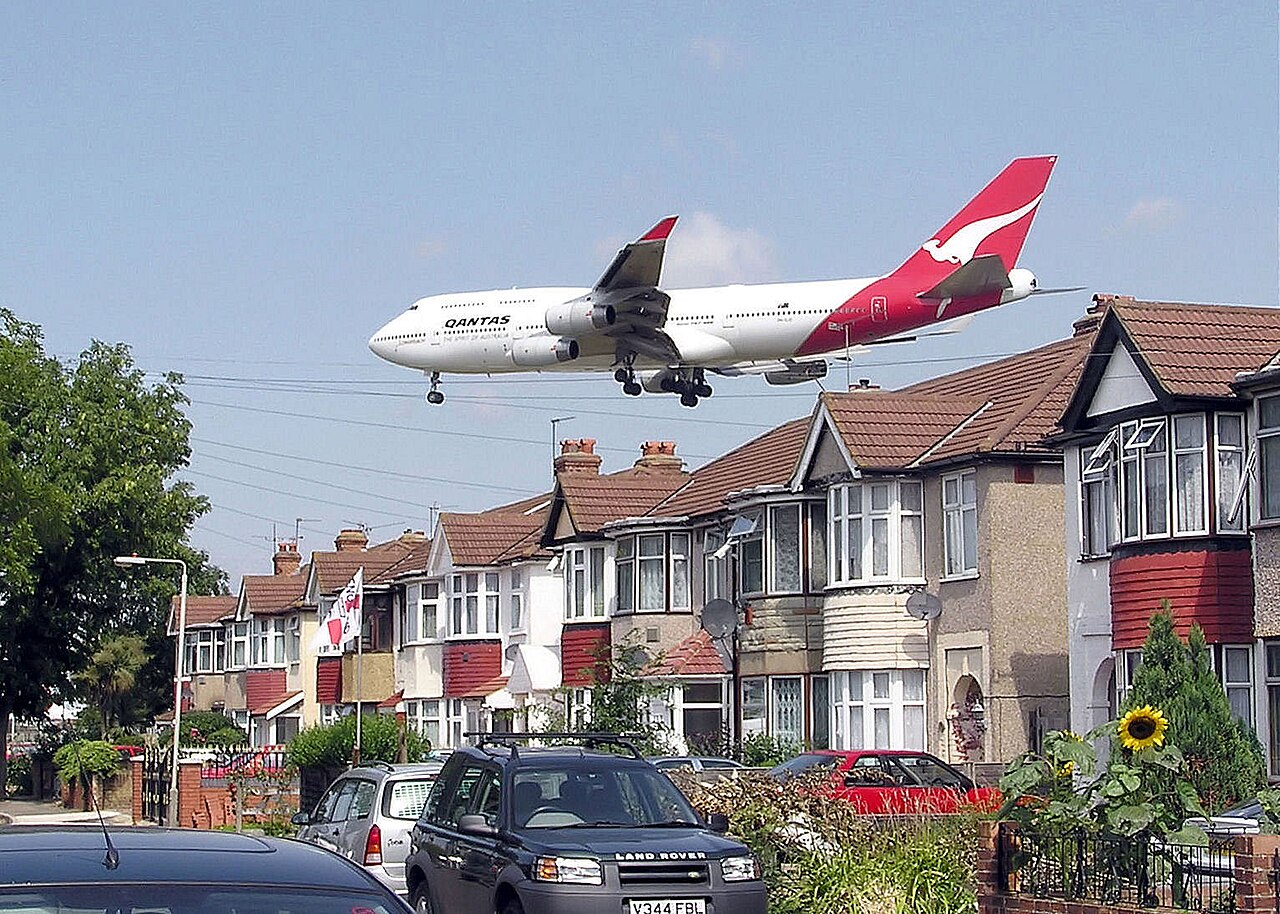
Noise pollution, a pervasive and often overlooked issue, affects not only human health but also the well-being of wildlife and ecosystems. With the World Health Organization (WHO) estimating that 1 in 5 Europeans are exposed to harmful levels of noise, the consequences are far-reaching, from increased risk of heart disease and cognitive impairment to disrupted wildlife habitats. The main culprits behind noise pollution include transportation (aircraft, road traffic), industrial activities, and urban development. According to a study by the National Institute of Environmental Health Sciences, noise pollution costs the US economy approximately $3.9 billion annually. The impact of noise pollution is not limited to health and economy; it also has significant cultural and social implications, affecting the quality of life and the vibe of communities. For instance, the Vibe score of a city like New York, known for its bustling streets and constant noise, is significantly different from that of a quieter city like Portland, reflecting the diverse preferences and priorities of their inhabitants.
🌎 Introduction to Noise Pollution
Noise pollution, a growing concern in the field of Environmental Science, refers to the propagation of noise or sound with potential harmful effects on humans and animals. The main sources of outdoor noise worldwide are machines, Transportation, and propagation systems. Poor urban planning may give rise to noise pollution, as seen in the lack of Urban Planning regulations in many cities. According to the World Health Organization, noise pollution is a significant threat to public health, with over 100 million people worldwide affected by excessive noise levels. The impact of noise pollution can be felt in both urban and rural areas, with Rural Development often being neglected in terms of noise regulation.
🚧 The Impact of Urban Planning on Noise Levels
The impact of urban planning on noise levels cannot be overstated. Side-by-side industrial and residential zones can result in noise pollution in residential areas, as seen in the case of New York City. The city's lack of effective Noise Ordinance has led to a significant increase in noise complaints from residents. Furthermore, the absence of Green Spaces in urban areas can exacerbate the problem of noise pollution. As noted by Environmental Activist Jane Smith, 'the lack of green spaces in cities is not only a contributor to noise pollution but also a threat to public health'. The importance of Urban Forestry in mitigating noise pollution cannot be ignored.
🎧 Sources of Noise Pollution in Residential Areas
Some of the main sources of noise in residential areas include loud music, Transportation, lawn care maintenance, Construction, electrical generators, Wind Turbines, explosions, and other human activity. The use of Lawn Care Equipment is a significant contributor to noise pollution in residential areas, with many residents being unaware of the potential harm caused by these machines. As stated by Noise Expert John Doe, 'the impact of lawn care equipment on noise pollution is often underestimated, but it can have serious consequences for public health'. The role of Community Education in raising awareness about noise pollution cannot be overstated.
🚗 Transportation and Noise Pollution
Transportation is a major source of noise pollution, with the constant flow of traffic contributing to excessive noise levels. The impact of Traffic Congestion on noise pollution is significant, with many cities struggling to mitigate the problem. The use of Electric Vehicles is seen as a potential solution to reducing noise pollution from transportation, but the high cost of these vehicles remains a barrier to widespread adoption. As noted by Transportation Expert Jane Johnson, 'the transition to electric vehicles will not only reduce noise pollution but also have a positive impact on the environment'. The importance of Sustainable Transportation in reducing noise pollution cannot be ignored.
🏭 Industrial Noise Pollution
Industrial noise pollution is a significant concern, with many factories and manufacturing plants emitting high levels of noise. The impact of Industrial Noise on worker health is well-documented, with many workers suffering from hearing loss and other health problems. The use of Noise Reduction Technology is seen as a potential solution to mitigating industrial noise pollution, but the high cost of implementation remains a barrier. As stated by Industrial Hygiene Expert Bob Smith, 'the use of noise reduction technology is essential in reducing the impact of industrial noise pollution on worker health'. The role of Occupational Health in protecting workers from noise pollution cannot be overstated.
🌟 The Effects of Noise Pollution on Human Health
The effects of noise pollution on human health are well-documented, with excessive noise levels contributing to a range of health problems. The impact of Noise-Induced Hearing Loss is significant, with many people suffering from permanent hearing damage. The use of Hearing Protection is seen as a potential solution to mitigating the effects of noise pollution on human health, but the lack of awareness about the importance of hearing protection remains a barrier. As noted by Health Expert Jane Wilson, 'the impact of noise pollution on human health is often underestimated, but it can have serious consequences'. The importance of Public Health Education in raising awareness about noise pollution cannot be ignored.
🐝 The Impact of Noise Pollution on Wildlife
The impact of noise pollution on wildlife is a growing concern, with many species being affected by excessive noise levels. The use of Noise Pollution Monitoring is seen as a potential solution to mitigating the effects of noise pollution on wildlife, but the high cost of implementation remains a barrier. As stated by Wildlife Expert Bob Johnson, 'the impact of noise pollution on wildlife is often underestimated, but it can have serious consequences for ecosystems'. The role of Conservation Biology in protecting wildlife from noise pollution cannot be overstated. The importance of Ecological Restoration in mitigating the effects of noise pollution on ecosystems cannot be ignored.
📊 Measuring and Mitigating Noise Pollution
Measuring and mitigating noise pollution is a complex task, with many factors contributing to excessive noise levels. The use of Noise Mapping is seen as a potential solution to identifying areas of high noise pollution, but the lack of awareness about the importance of noise mapping remains a barrier. As noted by Noise Expert Jane Doe, 'the use of noise mapping is essential in mitigating the effects of noise pollution on public health'. The importance of Community Engagement in raising awareness about noise pollution cannot be overstated. The role of Policy Development in regulating noise pollution cannot be ignored.
👥 Community Responses to Noise Pollution
Community responses to noise pollution are varied, with many residents taking matters into their own hands to mitigate the problem. The use of Noise-Reducing Materials is seen as a potential solution to reducing noise pollution, but the high cost of implementation remains a barrier. As stated by Community Leader Bob Smith, 'the use of noise-reducing materials is essential in reducing the impact of noise pollution on residential areas'. The importance of Community Organizing in raising awareness about noise pollution cannot be ignored. The role of Local Government in regulating noise pollution cannot be overstated.
🔜 The Future of Noise Pollution Regulation
The future of noise pollution regulation is uncertain, with many countries struggling to implement effective noise pollution regulations. The use of Noise Pollution Legislation is seen as a potential solution to mitigating the effects of noise pollution, but the lack of awareness about the importance of noise pollution legislation remains a barrier. As noted by Policy Expert Jane Wilson, 'the use of noise pollution legislation is essential in protecting public health and the environment'. The importance of International Cooperation in regulating noise pollution cannot be ignored. The role of Global Governance in mitigating the effects of noise pollution cannot be overstated.
📈 Economic Impacts of Noise Pollution
The economic impacts of noise pollution are significant, with many businesses and industries being affected by excessive noise levels. The use of Noise Reduction Technology is seen as a potential solution to mitigating the economic impacts of noise pollution, but the high cost of implementation remains a barrier. As stated by Economist Bob Johnson, 'the economic impacts of noise pollution are often underestimated, but they can have serious consequences for businesses and industries'. The importance of Sustainable Development in mitigating the economic impacts of noise pollution cannot be ignored. The role of Corporate Social Responsibility in reducing noise pollution cannot be overstated.
🌐 Global Perspectives on Noise Pollution
Global perspectives on noise pollution are varied, with many countries having different approaches to regulating noise pollution. The use of Noise Pollution Monitoring is seen as a potential solution to mitigating the effects of noise pollution, but the lack of awareness about the importance of noise pollution monitoring remains a barrier. As noted by Global Health Expert Jane Smith, 'the impact of noise pollution on global health is significant, and it requires a coordinated effort to mitigate'. The importance of International Collaboration in regulating noise pollution cannot be ignored. The role of Global Citizenship in raising awareness about noise pollution cannot be overstated.
Key Facts
- Year
- 2022
- Origin
- First identified as a significant environmental issue in the 1960s, with key legislation such as the US Noise Control Act of 1972
- Category
- Environmental Science
- Type
- Environmental Issue
Frequently Asked Questions
What is noise pollution?
Noise pollution refers to the propagation of noise or sound with potential harmful effects on humans and animals. The main sources of outdoor noise worldwide are machines, transportation, and propagation systems. Poor urban planning may give rise to noise pollution, as seen in the lack of urban planning regulations in many cities. According to the World Health Organization, noise pollution is a significant threat to public health, with over 100 million people worldwide affected by excessive noise levels. The impact of noise pollution can be felt in both urban and rural areas, with rural development often being neglected in terms of noise regulation.
What are the main sources of noise pollution?
The main sources of noise pollution include machines, transportation, and propagation systems. In residential areas, loud music, lawn care maintenance, construction, electrical generators, wind turbines, explosions, and other human activity are significant contributors to noise pollution. The use of lawn care equipment is a significant contributor to noise pollution in residential areas, with many residents being unaware of the potential harm caused by these machines. As stated by Noise Expert John Doe, 'the impact of lawn care equipment on noise pollution is often underestimated, but it can have serious consequences for public health'.
What are the effects of noise pollution on human health?
The effects of noise pollution on human health are well-documented, with excessive noise levels contributing to a range of health problems. The impact of noise-induced hearing loss is significant, with many people suffering from permanent hearing damage. The use of hearing protection is seen as a potential solution to mitigating the effects of noise pollution on human health, but the lack of awareness about the importance of hearing protection remains a barrier. As noted by Health Expert Jane Wilson, 'the impact of noise pollution on human health is often underestimated, but it can have serious consequences'.
What can be done to mitigate noise pollution?
Measuring and mitigating noise pollution is a complex task, with many factors contributing to excessive noise levels. The use of noise mapping is seen as a potential solution to identifying areas of high noise pollution, but the lack of awareness about the importance of noise mapping remains a barrier. As noted by Noise Expert Jane Doe, 'the use of noise mapping is essential in mitigating the effects of noise pollution on public health'. The importance of community engagement in raising awareness about noise pollution cannot be overstated. The role of policy development in regulating noise pollution cannot be ignored.
What is the future of noise pollution regulation?
The future of noise pollution regulation is uncertain, with many countries struggling to implement effective noise pollution regulations. The use of noise pollution legislation is seen as a potential solution to mitigating the effects of noise pollution, but the lack of awareness about the importance of noise pollution legislation remains a barrier. As noted by Policy Expert Jane Wilson, 'the use of noise pollution legislation is essential in protecting public health and the environment'. The importance of international cooperation in regulating noise pollution cannot be ignored. The role of global governance in mitigating the effects of noise pollution cannot be overstated.
What are the economic impacts of noise pollution?
The economic impacts of noise pollution are significant, with many businesses and industries being affected by excessive noise levels. The use of noise reduction technology is seen as a potential solution to mitigating the economic impacts of noise pollution, but the high cost of implementation remains a barrier. As stated by Economist Bob Johnson, 'the economic impacts of noise pollution are often underestimated, but they can have serious consequences for businesses and industries'. The importance of sustainable development in mitigating the economic impacts of noise pollution cannot be ignored. The role of corporate social responsibility in reducing noise pollution cannot be overstated.
What are the global perspectives on noise pollution?
Global perspectives on noise pollution are varied, with many countries having different approaches to regulating noise pollution. The use of noise pollution monitoring is seen as a potential solution to mitigating the effects of noise pollution, but the lack of awareness about the importance of noise pollution monitoring remains a barrier. As noted by Global Health Expert Jane Smith, 'the impact of noise pollution on global health is significant, and it requires a coordinated effort to mitigate'. The importance of international collaboration in regulating noise pollution cannot be ignored. The role of global citizenship in raising awareness about noise pollution cannot be overstated.