
Contents
Overview
The laws of war, also known as international humanitarian law (IHL) or jus in bello, constitute a critical body of international law that governs the conduct of armed conflict. They delineate the permissible and impermissible actions of states and individuals during wartime, aiming to limit suffering and protect those not participating in hostilities. This complex legal regime encompasses rules on the declaration of war, the treatment of prisoners of war, the distinction between combatants and civilians, the prohibition of certain weapons, and the principles of military necessity and proportionality. While distinct from the laws governing the resort to war (jus ad bellum), the laws of war are a cornerstone of maintaining a semblance of humanity amidst the brutality of conflict, shaping everything from battlefield tactics to post-conflict justice.
🎵 Origins & History
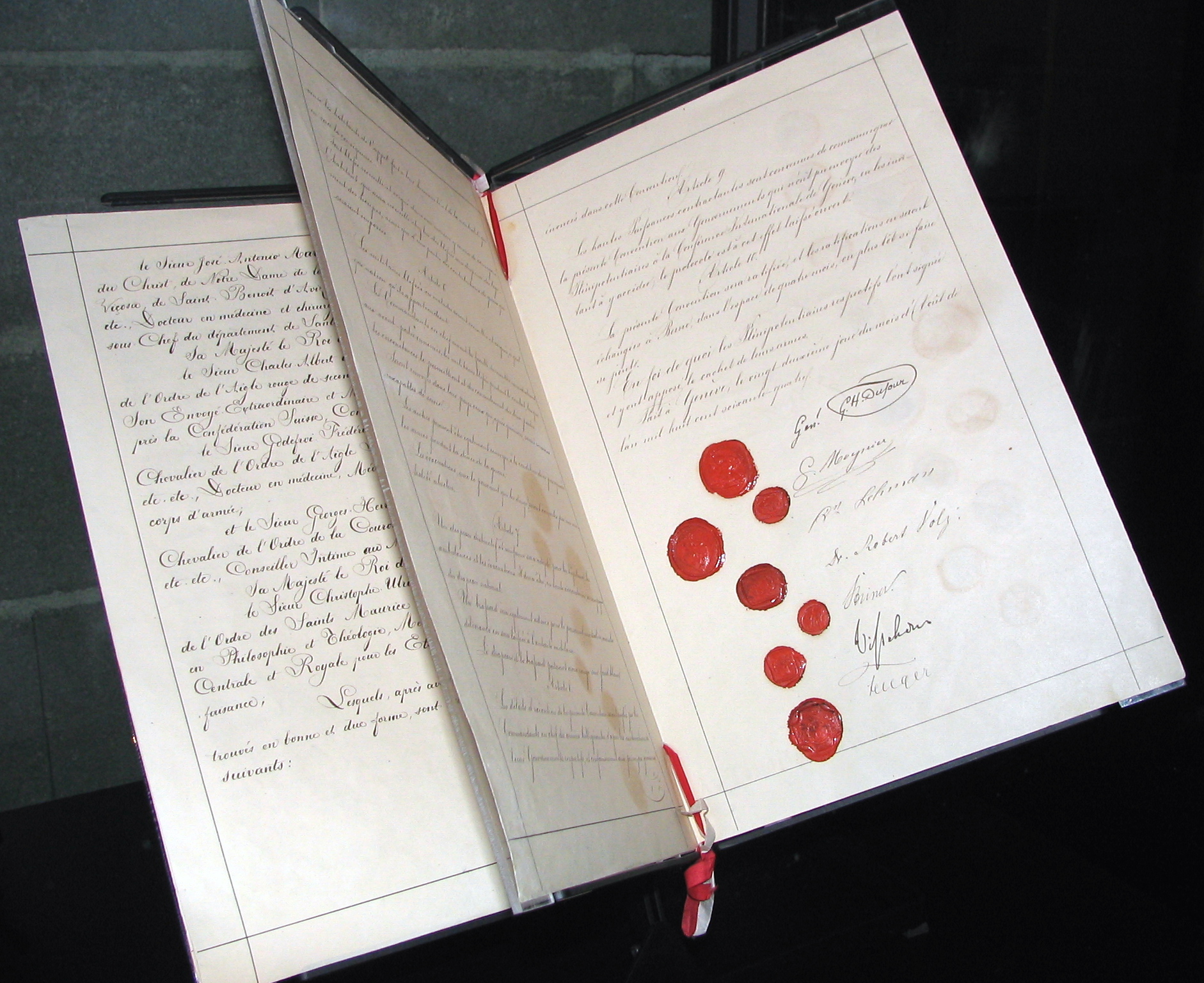
The genesis of the laws of war can be traced back to ancient codes and religious texts that sought to regulate warfare. However, the modern codification began with the Geneva Conventions and the Hague Conventions. The impetus for the First Geneva Convention, championed by Henri Dunant following his harrowing experience at the Battle of Solferino, was to provide protection and care for wounded soldiers on the battlefield, regardless of nationality. This marked a pivotal shift towards formalizing humanitarian principles in armed conflict, laying the groundwork for subsequent treaties and customary international law that would expand protections to prisoners of war, civilians, and define prohibited weapons.
⚙️ How It Works
The laws of war operate through a dual framework: treaty law and customary international law. Treaties, such as the four Geneva Conventions, establish explicit obligations for signatory states. Customary international law, on the other hand, comprises rules that states accept as legally binding through their consistent practice and belief (opinio juris). Key principles include distinction (differentiating between combatants and civilians, and military objectives and civilian objects), military necessity (justifying only those measures indispensable to achieve a legitimate military purpose), and proportionality (ensuring that anticipated civilian harm is not excessive in relation to the concrete and direct military advantage gained). The International Criminal Court (ICC) and national courts play roles in prosecuting violations, often termed war crimes.
📊 Key Facts & Numbers
The four Geneva Conventions represent near-universal adherence to their core humanitarian principles. The Rome Statute of the International Criminal Court provides a mechanism for prosecuting individuals for war crimes, crimes against humanity, and genocide. The United Nations Security Council has established numerous ad hoc tribunals, which have indicted individuals. Despite these frameworks, estimates suggest that civilian casualties in modern conflicts have tragically risen.
👥 Key People & Organizations
Several key figures and organizations have been instrumental in shaping and advancing the laws of war. Henri Dunant, a Swiss businessman, is widely credited as the founder of the Red Cross Movement and a primary architect of the First Geneva Convention. The International Committee of the Red Cross (ICRC) plays a crucial role in promoting and ensuring adherence to IHL, acting as a guardian of the Geneva Conventions. The United Nations and its various bodies, including the UN Security Council, have been central in establishing international tribunals and peacekeeping missions aimed at enforcing these laws. Prominent legal scholars like Louis Henkin and Mercy Amare Akande have also significantly contributed to the interpretation and development of these legal principles.
🌍 Cultural Impact & Influence
The laws of war exert a profound, albeit often contested, influence on global perceptions of justice and humanity during conflict. They provide a moral and legal compass, shaping public discourse and international condemnation of atrocities. Hollywood films and literature, from All Quiet on the Western Front to Saving Private Ryan, have often grappled with the realities and ethical dilemmas of warfare, indirectly reflecting and sometimes challenging the application of these laws. The very existence of these legal norms, even when violated, sets a benchmark for acceptable conduct and fuels efforts towards accountability, influencing diplomatic relations and the legitimacy of states on the international stage.
⚡ Current State & Latest Developments
In the current geopolitical climate, the application and enforcement of the laws of war face significant challenges. The rise of non-state armed groups, the proliferation of asymmetric warfare, and the increasing use of advanced technologies like autonomous weapons systems and cyber warfare strain existing legal frameworks. The International Criminal Court continues to investigate alleged violations in conflicts such as those in Ukraine and Sudan, but faces political hurdles and limited jurisdiction. Debates rage over the applicability of IHL to new forms of conflict, and the effectiveness of international mechanisms in preventing or punishing widespread abuses remains a persistent concern, particularly in protracted conflicts like those in Syria and Yemen.
🤔 Controversies & Debates
The laws of war are perpetually debated, particularly concerning their effectiveness and universality. A central controversy revolves around the distinction between combatants and civilians, especially in urban warfare and counter-terrorism operations where lines are blurred. The use of unmanned aerial vehicles and autonomous weapons raises questions about accountability and the principle of human control over the use of force. Furthermore, the selective enforcement of international law, with powerful states often evading scrutiny while others are held to account, fuels accusations of hypocrisy and undermines the legitimacy of the entire system. The definition of terrorism and its relation to IHL also remains a contentious area, with differing interpretations impacting legal responses.
🔮 Future Outlook & Predictions
The future of the laws of war will likely be shaped by ongoing technological advancements and evolving conflict dynamics. Expect intensified debates surrounding AI in warfare, particularly concerning lethal autonomous weapons systems (LAWS) and the potential for algorithmic bias. The increasing weaponization of information warfare and cyber attacks will necessitate new legal interpretations or entirely new treaties. Furthermore, the growing impact of climate change on resource scarcity and displacement could exacerbate existing conflicts and create new ones, posing novel challenges for IHL. The push for greater accountability through international and domestic courts will likely continue, though political will remains a critical determinant of success.
💡 Practical Applications
The laws of war have direct practical applications in numerous domains. Military forces worldwide train extensively on IHL principles to ensure their operations comply with international standards, thereby minimizing civilian harm and avoiding war crimes. Humanitarian organizations like the Red Cross Movement utilize these laws to gain access to conflict zones, protect victims, and advocate for humane treatment of detainees. International tribunals and national judiciaries rely on IHL to prosecute individuals responsible for grave breaches of humanitarian law. Furthermore, diplomats and policymakers use these legal frameworks to negotiate ceasefires, de-escalate tensions, and establish post-conflict justice mechanisms, influencing the very conduct of international relations during crises.
Key Facts
- Category
- law
- Type
- topic