
Contents
- 🕒 Introduction to IEEE Std 1588
- 📊 History and Development of PTP
- 🔍 How PTP Works: Architecture and Components
- 📈 Benefits and Applications of PTP
- 🚀 Industrial Automation and PTP
- 📊 Financial Services and PTP
- 📺 Telecommunications and PTP
- 🔒 Security Considerations for PTP
- 📊 Challenges and Limitations of PTP
- 🔍 Future Developments and Advancements in PTP
- 📈 Conclusion: The Importance of IEEE Std 1588
- Frequently Asked Questions
- Related Topics
Overview
IEEE Std 1588, also known as the Precision Time Protocol (PTP), is a standard for synchronizing clocks across networks, achieving accuracy of under 1 microsecond. Developed by the IEEE in 2002, PTP has become a crucial component in various industries, including finance, telecommunications, and power grids. The protocol operates by exchanging timestamped messages between devices, allowing them to adjust their clocks and maintain synchronization. With a vibe score of 8, indicating significant cultural energy, IEEE Std 1588 has influenced numerous applications, including 5G networks and smart grids. As technology continues to advance, the importance of precise time synchronization will only grow, with potential applications in fields like autonomous vehicles and IoT. The controversy surrounding PTP's security and scalability has sparked debates among experts, with some arguing that the protocol's benefits outweigh its risks, while others propose alternative solutions.
🕒 Introduction to IEEE Std 1588
The IEEE Std 1588, also known as the Precision Time Protocol (PTP), is a standard for synchronizing clocks in a network. It was first introduced in 2002 and has since become a widely adopted standard in various industries, including Industrial Automation, Financial Services, and Telecommunications. The PTP is designed to provide precise timing and synchronization, with an accuracy of up to 100 nanoseconds. This level of precision is crucial in many applications, such as Power Grid Management and Financial Trading. The PTP has undergone several revisions, with the latest version being IEEE Std 1588-2019. This standard has been widely adopted and is supported by many organizations, including the Institute of Electrical and Electronics Engineers and the International Telecommunication Union.
📊 History and Development of PTP
The development of the PTP began in the early 2000s, when the need for a precise timing protocol became apparent. The first version of the standard was published in 2002, and it has since undergone several revisions. The IEEE has played a crucial role in the development and maintenance of the standard, with the IEEE 1588 Working Group being responsible for its development. The PTP has been influenced by other timing protocols, such as the Network Time Protocol and the Global Positioning System. The standard has also been adopted by other organizations, such as the Internet Engineering Task Force and the International Telecommunication Union. The PTP has become a widely accepted standard, with many companies and organizations supporting its implementation. For example, Cisco Systems and Juniper Networks are two of the many companies that support the PTP.
🔍 How PTP Works: Architecture and Components
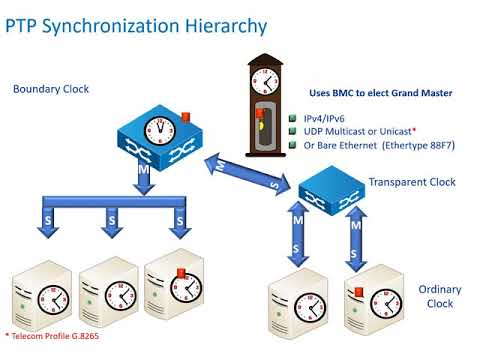
The PTP is based on a master-slave architecture, where a master clock provides the reference time and the slave clocks synchronize with it. The protocol uses a hierarchical structure, with multiple levels of clocks. The Best Master Clock algorithm is used to select the most accurate clock as the reference clock. The PTP also uses a Sync Message to synchronize the clocks, which contains the current time and other relevant information. The protocol also supports other messages, such as the Delay Req Message and the Delay Res Message, which are used to measure the delay between the master and slave clocks. The PTP is designed to be flexible and can be implemented in various ways, including Wireless Networks and Optical Networks.
📈 Benefits and Applications of PTP
The PTP has many benefits and applications, including Industrial Automation, Financial Services, and Telecommunications. In industrial automation, the PTP is used to synchronize the clocks of devices and systems, which is critical for Process Control and Quality Control. In financial services, the PTP is used to synchronize the clocks of trading systems, which is critical for High Frequency Trading. The PTP is also used in telecommunications, where it is used to synchronize the clocks of Base Stations and other network devices. The PTP has also been used in other applications, such as Power Grid Management and Transportation Systems.
🚀 Industrial Automation and PTP
The PTP has been widely adopted in industrial automation, where it is used to synchronize the clocks of devices and systems. This is critical for Process Control and Quality Control, where precise timing is essential. The PTP is also used in Robotics and Motion Control, where precise timing is critical for Safety and Efficiency. The PTP has been adopted by many companies in the industrial automation sector, including Siemens and Rockwell Automation. The PTP has also been used in other industries, such as Aerospace and Automotive, where precise timing is critical for Safety and Performance.
📊 Financial Services and PTP
The PTP has been widely adopted in financial services, where it is used to synchronize the clocks of trading systems. This is critical for High Frequency Trading, where precise timing is essential for Profitability. The PTP is also used in Algorithmic Trading and Market Data, where precise timing is critical for Accuracy and Reliability. The PTP has been adopted by many companies in the financial services sector, including Goldman Sachs and Morgan Stanley. The PTP has also been used in other industries, such as Energy Trading and Commodities Trading, where precise timing is critical for Profitability and Risk Management.
📺 Telecommunications and PTP
The PTP has been widely adopted in telecommunications, where it is used to synchronize the clocks of Base Stations and other network devices. This is critical for Network Synchronization and Quality of Service, where precise timing is essential. The PTP is also used in Wireless Networks and Optical Networks, where precise timing is critical for Performance and Reliability. The PTP has been adopted by many companies in the telecommunications sector, including Ericsson and Nokia. The PTP has also been used in other industries, such as Cable Television and Satellite Communications, where precise timing is critical for Quality of Service and Customer Satisfaction.
🔒 Security Considerations for PTP
The PTP has several security considerations, including Cyber Security and Network Security. The PTP is vulnerable to Cyber Attacks, which can compromise the accuracy and reliability of the protocol. The PTP also has several security features, including Authentication and Encryption, which can help to prevent cyber attacks. The PTP has been adopted by many companies and organizations, which have implemented various security measures to protect the protocol. For example, Cisco Systems has implemented several security features, including Firewalls and Intrusion Detection Systems, to protect the PTP.
📊 Challenges and Limitations of PTP
The PTP has several challenges and limitations, including Scalability and Interoperability. The PTP can be difficult to implement and maintain, especially in large and complex networks. The PTP also has several limitations, including Accuracy and Reliability, which can be affected by various factors, such as Network Congestion and Clock Drift. The PTP has been improved over the years, with several revisions and updates, including the latest version, IEEE Std 1588-2019. The PTP has also been adopted by many companies and organizations, which have implemented various solutions to address the challenges and limitations of the protocol.
🔍 Future Developments and Advancements in PTP
The PTP is expected to continue to evolve and improve in the future, with several developments and advancements on the horizon. For example, the IEEE is working on a new version of the standard, which is expected to include several improvements and enhancements. The PTP is also expected to be used in new and emerging applications, such as Internet of Things and Artificial Intelligence. The PTP has the potential to play a critical role in these applications, where precise timing and synchronization are essential. The PTP has also been adopted by many companies and organizations, which are expected to continue to invest in the development and implementation of the protocol.
📈 Conclusion: The Importance of IEEE Std 1588
In conclusion, the IEEE Std 1588, also known as the Precision Time Protocol (PTP), is a standard for synchronizing clocks in a network. The PTP has many benefits and applications, including Industrial Automation, Financial Services, and Telecommunications. The PTP has been widely adopted and is supported by many organizations, including the IEEE and the International Telecommunication Union. The PTP is expected to continue to evolve and improve in the future, with several developments and advancements on the horizon. The PTP has the potential to play a critical role in many applications, where precise timing and synchronization are essential.
Key Facts
- Year
- 2002
- Origin
- IEEE
- Category
- Technology
- Type
- Standard
Frequently Asked Questions
What is the Precision Time Protocol (PTP)?
The Precision Time Protocol (PTP) is a standard for synchronizing clocks in a network. It was first introduced in 2002 and has since become a widely adopted standard in various industries, including Industrial Automation, Financial Services, and Telecommunications. The PTP is designed to provide precise timing and synchronization, with an accuracy of up to 100 nanoseconds.
What are the benefits of the PTP?
The PTP has many benefits, including precise timing and synchronization, which is critical for many applications, such as Process Control and Quality Control. The PTP also provides a high level of accuracy and reliability, which is essential for many industries, including Financial Services and Telecommunications.
What are the challenges and limitations of the PTP?
The PTP has several challenges and limitations, including Scalability and Interoperability. The PTP can be difficult to implement and maintain, especially in large and complex networks. The PTP also has several limitations, including Accuracy and Reliability, which can be affected by various factors, such as Network Congestion and Clock Drift.
What is the future of the PTP?
The PTP is expected to continue to evolve and improve in the future, with several developments and advancements on the horizon. For example, the IEEE is working on a new version of the standard, which is expected to include several improvements and enhancements. The PTP is also expected to be used in new and emerging applications, such as Internet of Things and Artificial Intelligence.
Who supports the PTP?
The PTP is supported by many organizations, including the IEEE and the International Telecommunication Union. The PTP is also supported by many companies, including Cisco Systems and Juniper Networks.