
Contents
Overview
Gender-Based Violence (GBV) encompasses any harmful act perpetrated against a person's will, based on their gender. It's a pervasive issue rooted in gender inequality, power imbalances, and harmful social norms, affecting individuals of all genders, though disproportionately impacting women and girls. GBV manifests in various forms, including physical, sexual, emotional, and economic abuse, both in public and private spheres, and is exacerbated by factors like conflict, poverty, and discrimination. Addressing GBV requires a multi-pronged approach involving legal reform, survivor support services, education, and challenging patriarchal structures. The global response, while growing, faces significant challenges in prevention, prosecution, and ensuring accountability.
🎯 What is Gender-Based Violence (GBV)?
Gender-Based Violence (GBV) is a broad term encompassing any harmful act perpetrated against a person's will because of the gender or gender identity they hold. This isn't limited to physical assault; it includes sexual violence, emotional abuse, economic deprivation, and harmful traditional practices. The core of GBV lies in the unequal power dynamics between genders, often rooted in patriarchal structures and societal norms that devalue certain gender identities. Understanding GBV requires looking beyond individual acts to the systemic issues that enable them, impacting individuals across all Age Groups and Socioeconomic Statuses.
⚖️ Legal & Policy Frameworks
Globally, numerous legal and policy frameworks aim to combat GBV. The Convention on the Elimination of All Forms of Discrimination against Women (CEDAW), adopted by the UN in 1979, is a foundational treaty obligating states to eliminate discrimination against women, including GBV. More recently, the Istanbul Convention (Council of Europe) (officially the Council of Europe Convention on preventing and combating violence against women and domestic violence) has set a high standard for addressing GBV in Europe. However, enforcement and ratification vary significantly, leaving many vulnerable populations without adequate legal protection. The effectiveness of these frameworks hinges on their implementation at national levels, often a point of contention and advocacy.
📈 Statistics & Impact
The statistics on GBV are stark and sobering. Globally, an estimated UN Women Statistics have experienced physical or sexual violence, mostly by an intimate partner. For LGBTQ+ Rights, the rates of violence, particularly hate crimes and discrimination, are also alarmingly high, though often underreported. GBV has profound and lasting consequences, including physical injuries, mental health issues like Mental Health Impacts, and economic instability. The societal cost is immense, affecting public health systems, productivity, and overall social cohesion. These numbers are not mere figures; they represent millions of individual lives irrevocably altered.
🆘 Support & Resources
Accessing support is crucial for survivors of GBV. Numerous organizations worldwide offer a range of services, including GBV Hotlines, Domestic Violence Shelters, legal aid, and counseling. In the United States, the National Domestic Violence Hotline provides 24/7 support, while RAINN (Rape, Abuse & Incest National Network) offers resources for sexual assault survivors. Many Community Support Centers also provide tailored assistance. It's vital to remember that seeking help is a sign of strength, and resources are available to guide survivors toward safety and recovery.
💡 Prevention Strategies
Prevention of GBV requires a multi-pronged approach that addresses its root causes. This includes Gender Equality Education in schools and communities, challenging harmful gender stereotypes, and promoting healthy relationship models. Engaging men and boys as allies in the fight against GBV is also a critical component, as seen in initiatives like The White Ribbon Campaign. Economic empowerment for women and marginalized gender groups can reduce their vulnerability to abuse. Ultimately, prevention is about fostering a culture of respect and equality, dismantling the societal norms that permit violence to flourish.
🌐 Cultural & Societal Factors
Cultural and societal factors play a significant role in the prevalence and perception of GBV. Societies with lower levels of Gender Egalitarianism tend to exhibit higher rates of GBV. Conversely, cultures that promote rigid gender roles and uphold patriarchal norms often normalize or excuse violence against certain groups. Harmful traditional practices, such as Child Marriage and female genital mutilation (FGM), are forms of GBV deeply embedded in some cultural contexts. Addressing GBV necessitates a nuanced understanding of these cultural dynamics, working towards change without resorting to cultural relativism that excuses harm.
❓ Frequently Asked Questions
What is the difference between domestic violence and gender-based violence? While often overlapping, domestic violence specifically refers to violence within a domestic setting, typically between intimate partners or family members. GBV is a broader term that includes domestic violence but also encompasses violence perpetrated by non-partners or strangers, and violence targeting individuals based on their gender identity or expression, including Transgender Rights.
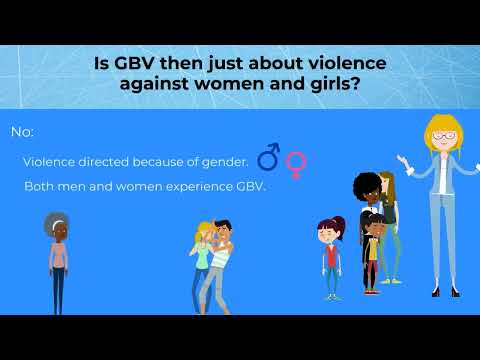
Is GBV only about violence against women? No. While women and girls are disproportionately affected by GBV, it can affect anyone. GBV targets individuals based on their gender or gender identity, which includes men, boys, and LGBTQ+ Rights who do not conform to traditional gender norms or who are targeted due to their identity.
How can I help a survivor of GBV? Listen without judgment, believe their story, and offer support. Let them know they are not alone and that resources are available. Respect their decisions and autonomy. Avoid pressuring them to report or take actions they are not ready for. Connecting them with GBV Hotlines is often the most effective way to help.
🚀 The Road Ahead
The fight against GBV is ongoing and requires sustained effort from individuals, communities, and governments. Future efforts must focus on strengthening legal protections, improving access to comprehensive support services, and investing in evidence-based prevention programs. The rise of digital technologies presents both challenges, such as Online Harassment, and opportunities for advocacy and support. Achieving a world free from GBV depends on dismantling the deeply ingrained inequalities that fuel it, fostering a global culture where every individual is valued and safe, regardless of their gender. The Vibe Score for global progress on GBV remains a critical metric to track.
Key Facts
- Year
- 1993
- Origin
- The term 'gender-based violence' gained prominence following the UN Declaration on the Elimination of Violence against Women in 1993, though the concept and its manifestations have existed throughout history.
- Category
- Social Issues & Human Rights
- Type
- Social Construct / Human Rights Issue
Frequently Asked Questions
What is the difference between domestic violence and gender-based violence?
While often overlapping, domestic violence specifically refers to violence within a domestic setting, typically between intimate partners or family members. GBV is a broader term that includes domestic violence but also encompasses violence perpetrated by non-partners or strangers, and violence targeting individuals based on their gender identity or expression, including Transgender Rights.
Is GBV only about violence against women?
No. While women and girls are disproportionately affected by GBV, it can affect anyone. GBV targets individuals based on their gender or gender identity, which includes men, boys, and LGBTQ+ Rights who do not conform to traditional gender norms or who are targeted due to their identity.
How can I help a survivor of GBV?
Listen without judgment, believe their story, and offer support. Let them know they are not alone and that resources are available. Respect their decisions and autonomy. Avoid pressuring them to report or take actions they are not ready for. Connecting them with GBV Hotlines is often the most effective way to help.
What are some common forms of GBV?
GBV manifests in various forms, including physical violence, sexual violence (rape, sexual assault), emotional or psychological abuse, economic abuse (controlling finances, preventing employment), and harmful traditional practices like Child Marriage and female genital mutilation (FGM).
How does culture influence GBV?
Culture plays a significant role. Societies with rigid gender roles and patriarchal structures often have higher rates of GBV. Conversely, more egalitarian societies tend to see lower rates. Harmful cultural practices can also directly contribute to GBV, making cultural understanding crucial for effective prevention and intervention.
Where can I find resources for survivors of GBV?
Numerous organizations offer support. National hotlines like the National Domestic Violence Hotline in the US and RAINN for sexual assault are available. Many Community Support Centers and Non-Governmental Organizations provide shelters, counseling, and legal assistance. Online directories and UN Women can also point you to relevant services.