
Contents
- 🎯 What is Fertility Treatment?
- 🤔 Who Needs Fertility Treatment?
- 🔬 The Core Technologies: ART Explained
- 💊 Beyond ART: Medications and Lifestyle
- 💰 Pricing & Plans: The Financial Reality
- 📍 Finding a Clinic: Location & Access
- ⭐ What People Say: Patient Experiences
- ⚖️ Comparing Your Options: ART vs. Conventional
- Frequently Asked Questions
- Related Topics
Overview
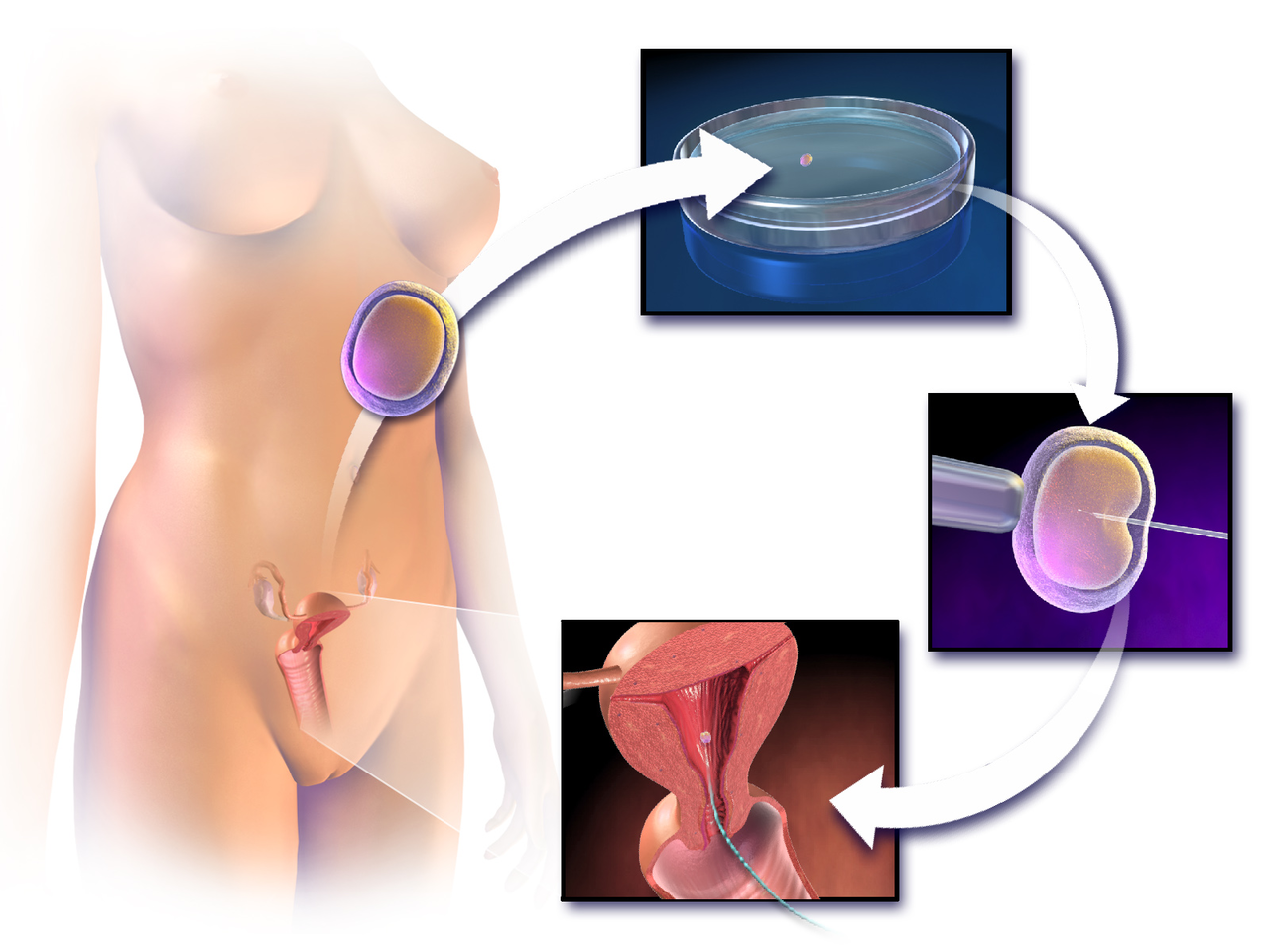
Fertility treatment, often broadly categorized under ART, encompasses a suite of medical procedures designed to help individuals and couples conceive when natural conception proves challenging. This isn't just about a single magic bullet; it's a spectrum of interventions ranging from fertility medications to complex laboratory techniques like IVF. The ultimate goal is to overcome biological barriers to reproduction, offering a pathway to parenthood for those facing infertility. It's a field deeply rooted in reproductive endocrinology, aiming to restore or facilitate the natural process of conception.
🤔 Who Needs Fertility Treatment?
The need for fertility treatment arises from a variety of factors impacting both individuals and couples. This can include diagnosed infertility in one or both partners, unexplained infertility where the cause remains elusive, or specific medical conditions that affect reproductive capacity. Beyond infertility, ART is also sometimes utilized for genetic screening purposes or in surrogacy arrangements, expanding its application beyond solely addressing conception difficulties. It's crucial to understand that the decision to pursue treatment is deeply personal and often follows extensive evaluation.
🔬 The Core Technologies: ART Explained
At the heart of modern fertility treatment lie ART procedures. The most widely recognized is IVF, where eggs are fertilized by sperm outside the body and the resulting embryo is transferred to the uterus. ICSI is a specialized form of IVF, often used when male factor infertility is a concern, involving the direct injection of a single sperm into an egg. Cryopreservation of eggs, sperm, and embryos offers a vital option for preserving fertility, whether due to medical treatments like chemotherapy or for personal timing reasons.
💊 Beyond ART: Medications and Lifestyle
While ART procedures often grab the headlines, fertility treatment is also heavily reliant on fertility medications. These drugs, such as Clomid or gonadotropins, are designed to stimulate ovulation, increasing the number of eggs released or regulating the menstrual cycle. Beyond medical interventions, lifestyle factors play a significant role. Optimizing reproductive health through diet, exercise, stress management, and avoiding harmful substances can sometimes be sufficient to address milder fertility issues or complement more intensive treatments. It's a holistic approach that acknowledges the body's intricate systems.
💰 Pricing & Plans: The Financial Reality
The financial commitment for fertility treatment can be substantial, with IVF cycles often costing between $12,000 and $20,000 per attempt, not including medications or genetic testing. ICSI and cryopreservation add further costs. Insurance coverage varies dramatically by region and provider, with some offering comprehensive plans while others provide minimal or no coverage. Many clinics offer financing options or package deals for multiple cycles, but understanding the total potential outlay, including potential multiple attempts, is critical for financial planning.
📍 Finding a Clinic: Location & Access
Selecting a fertility clinic involves careful consideration of location, accessibility, and the clinic's specialization. Major urban centers typically host numerous fertility clinics, offering a wide range of services and technologies. Proximity to your home or work can be a significant factor, especially given the frequent appointments required during treatment cycles. Researching clinic success rates, physician credentials, and patient reviews is paramount. Some clinics may also offer telehealth consultations to broaden access.
⭐ What People Say: Patient Experiences
Patient experiences with fertility treatment are diverse, reflecting the emotional and physical journey involved. Online forums, patient support groups, and clinic review sites offer candid insights into the realities of treatment. Common themes include the emotional toll of infertility and treatment cycles, the importance of a supportive clinic staff, and the immense joy of a successful outcome. Many patients emphasize the value of fertility counseling to navigate the psychological challenges. Success rates, while crucial, should be viewed in context of patient demographics and specific diagnoses.
⚖️ Comparing Your Options: ART vs. Conventional
It's a common misconception that ART is always the first or only recourse for infertility. In many cases, the root cause might be a treatable hormonal imbalance or a lifestyle factor that can be addressed with less invasive methods. Conventional treatments, including fertility medications and ovulation induction, often precede or are used in conjunction with ART. For mild issues, focusing on reproductive health through diet and stress reduction can sometimes be sufficient, making it essential to have a thorough diagnostic workup before committing to the most intensive options.
Key Facts
- Year
- 2023
- Origin
- Vibepedia.wiki
- Category
- Health & Wellness
- Type
- Resource Guide
Frequently Asked Questions
What is the success rate of fertility treatments?
Success rates for fertility treatments, particularly IVF, vary significantly based on factors like age, the cause of infertility, and the specific clinic's protocols. Generally, younger patients have higher success rates. For instance, live birth rates per cycle for women under 35 undergoing IVF can range from 40-60%, but this figure decreases with age. It's crucial to discuss personalized success probabilities with your fertility specialist, considering your unique circumstances and the clinic's reported success rates.
How long does a typical fertility treatment cycle take?
A standard IVF cycle typically spans about 6-8 weeks from the start of medication to the pregnancy test. This includes a period of ovarian stimulation (around 10-14 days), egg retrieval, fertilization in the lab, and embryo transfer. Other treatments, like fertility medications for ovulation induction, might involve shorter cycles focused on monitoring and timed intercourse or insemination. The overall timeline can be longer if cryopreservation or multiple cycles are involved.
Can fertility treatments guarantee a pregnancy?
No fertility treatment can guarantee a pregnancy. While ART significantly increases the chances of conception for many individuals and couples, success is not assured. Factors such as ovarian reserve, sperm quality, uterine health, and chromosomal abnormalities in embryos can all influence outcomes. It's important to have realistic expectations and to work closely with your medical team to understand the probabilities involved in your specific case.
What are the risks associated with fertility treatments?
Fertility treatments carry potential risks. IVF and other ART procedures can lead to multiple pregnancies (twins, triplets), which carry higher risks for both mother and babies. Ovarian hyperstimulation syndrome (OHSS) is a potential complication of fertility medications, though severe cases are rare with modern protocols. There's also a slightly increased risk of ectopic pregnancy. Your doctor will discuss these risks in detail before you begin treatment.
Is fertility treatment only for heterosexual couples?
Absolutely not. Fertility treatment is available and widely used by LGBTQ+ individuals and couples, single individuals, and anyone seeking to build a family. IVF, donor sperm, and donor eggs are common options that allow for diverse family-building paths. Many clinics are experienced in supporting LGBTQ+ family building and offer tailored services.
How do I choose the right fertility clinic?
Choosing a fertility clinic involves research. Look for clinics with strong success rates that are transparently reported and relevant to your age and diagnosis. Consider the expertise of the fertility specialists, the range of services offered (including IVF, ICSI, and fertility preservation), and the clinic's accreditation. Patient reviews and fertility counseling services can also provide valuable insights into the patient experience and support systems available.