
Contents
Overview
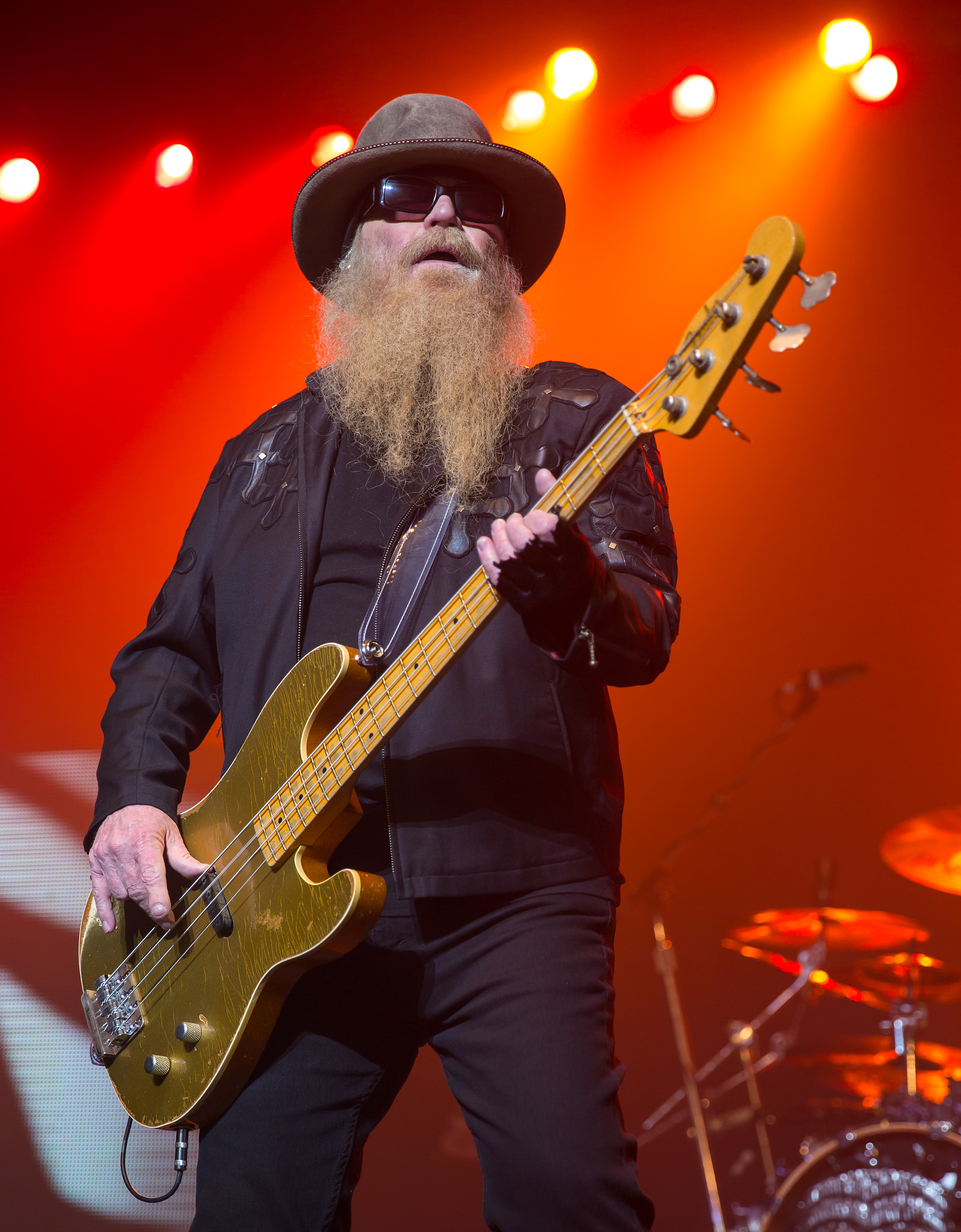
Dusty Hill was an American musician best known as the bassist, co-vocalist, and keyboardist for the iconic Texas blues-rock band ZZ Top. For over five decades, Hill, alongside Billy Gibbons and Frank Beard, forged a distinctive sound characterized by Gibbons' searing guitar riffs, Beard's precise drumming, and Hill's own foundational basslines and gravelly vocals. His unassuming stage presence, coupled with his legendary beard, became synonymous with the band's enduring appeal, helping them achieve multi-platinum success with albums like Eliminator (1983). Hill's passing marked the end of an era for one of rock's most consistent and recognizable acts, though his musical legacy continues through the band's extensive catalog and the continuation of ZZ Top with Elwood Francis on bass.
🎵 Origins & History
Dusty Hill's musical journey began in Dallas, Texas, where he was born on May 19, 1949. His early exposure to music came through his brother, Rocky Hill, who would also become a notable musician. By the late 1960s, Hill and drummer Frank Beard were already making waves in the Texas music scene. In 1968, a pivotal moment occurred when they joined forces with guitarist Billy Gibbons, forming the core of what would become ZZ Top. This trio would remain remarkably stable for over five decades, a testament to their shared musical vision and enduring friendship, navigating the evolving landscape of rock music from gritty blues-rock to synth-infused hits and back again.
⚙️ How It Works
Hill's role in ZZ Top was foundational, providing the rhythmic bedrock that allowed Billy Gibbons' guitar pyrotechnics to shine. His bass playing was often characterized by its simplicity, power, and a distinctively 'big,' distorted tone, a sound he cultivated through his choice of equipment and playing style. Beyond bass, Hill contributed significantly to ZZ Top's vocal arrangements, often providing a lower, gruff counterpoint to Gibbons' higher register, and also handled keyboard duties, adding another layer to the band's sonic palette. His approach was less about flashy solos and more about locking into a groove that was both driving and undeniably danceable, a key element in the band's enduring appeal.
📊 Key Facts & Numbers
Over their career, ZZ Top sold an estimated 50 million albums worldwide, with Eliminator alone accounting for over 11 million units in the United States. The band released 15 studio albums, with their debut, ZZ Top's First Album, released in 1971. Hill was a constant presence for over 50 years, performing in an estimated 5,000 concerts. His signature bass guitar, often a Fender Precision Bass, was a familiar sight, and his distinctive beard, which reportedly grew to over three feet long, became a globally recognized symbol. The band's hit single 'La Grange' has been streamed billions of times across major platforms.
👥 Key People & Organizations
The central figures in Dusty Hill's professional life were undoubtedly his bandmates, Billy Gibbons and Frank Beard, forming the longest-standing lineup of ZZ Top. Gibbons, the lead guitarist and primary songwriter, often complemented Hill's basslines, while Beard's drumming provided the precise rhythmic engine. Beyond the band, Hill's longtime guitar technician, Elwood Francis, stepped in to play bass following Hill's passing, a move sanctioned by Hill himself. Hill was also educated at Woodrow Wilson High School in Dallas, where he likely honed his early musical skills.
🌍 Cultural Impact & Influence
Dusty Hill, as a member of ZZ Top, became a cultural icon, particularly in the American South and Southwest. The band's image, heavily influenced by Hill's iconic beard and their matching outfits, became inseparable from their blues-rock sound, influencing countless musicians and fashion trends. Their music, especially hits like 'Legs' and 'Sharp Dressed Man', permeated popular culture, appearing in films, television shows, and commercials, solidifying their status as rock and roll royalty. In 2004, ZZ Top was inducted into the Rock and Roll Hall of Fame, cementing their legacy in music history.
⚡ Current State & Latest Developments
Following Dusty Hill's death on July 27, 2021, ZZ Top announced that Elwood Francis, their longtime guitar tech, would take over bass duties. This decision was reportedly made with Hill's blessing, ensuring the band could continue performing his music. The band has continued to tour, honoring Hill's memory while carrying on their musical legacy. In 2022, they embarked on tours across North America and Europe, performing their extensive catalog to dedicated fans, demonstrating the resilience of their sound and the enduring power of their music.
🤔 Controversies & Debates
While ZZ Top maintained a remarkably consistent image and sound for decades, there were occasional debates among fans regarding the band's stylistic shifts, particularly during the 1980s when they incorporated more synthesizers and electronic elements into their music, as heard on albums like Eliminator. Some purists argued these changes diluted their raw blues-rock roots, while others embraced the band's willingness to experiment and adapt to contemporary sounds. Hill himself was often seen as the more reserved member, a stark contrast to Gibbons' flamboyant stage persona, leading to discussions about the band's internal dynamics, though these were largely speculative.
🔮 Future Outlook & Predictions
The future of ZZ Top without Dusty Hill presents an interesting case study in band longevity. With Elwood Francis now on bass, the band aims to continue performing, suggesting a commitment to preserving the ZZ Top legacy. The challenge lies in maintaining the unique chemistry that defined the trio for over half a century. While new music is always a possibility, the focus will likely remain on celebrating their vast catalog and performing live. The band's continued touring suggests a strong market for their classic sound, indicating a sustained relevance for the foreseeable future.
💡 Practical Applications
Dusty Hill's bass playing and vocal style have served as practical applications for aspiring musicians learning the fundamentals of blues-rock. His approach to the bass guitar—focusing on solid rhythm, tone, and groove over technical complexity—provides a masterclass in supporting a lead instrument and driving a song. The distinctive sound of ZZ Top, heavily reliant on Hill's contributions, has been emulated in various rock subgenres, influencing countless bands that aim for a similar gritty, yet accessible, sonic signature. His work on albums like Tres Hombres remains a benchmark for rock bassists.
Key Facts
- Category
- person
- Type
- person