
Contents
- 🚨 Introduction to Bleeding: The Unseen Consequences
- 💉 Understanding Hemorrhage and Blood Loss
- 👨⚕️ The Importance of Hemostasis in Medicine
- 💔 Hypovolemia: The Dangers of Massive Blood Volume Decrease
- 💀 Exsanguination: Death by Excessive Blood Loss
- 🏥 First Aid and Emergency Response to Bleeding
- 👩🔬 The Role of Surgery in Controlling Bleeding
- 📊 Statistics on Blood Loss and Hemorrhage
- 🤝 The Impact of Bleeding on Quality of Life
- 🔬 Future Directions in Bleeding Research and Treatment
- 📚 Conclusion: The Unseen Consequences of Bleeding
- Frequently Asked Questions
- Related Topics
Overview
Bleeding, a fundamental aspect of human physiology, has far-reaching implications that extend beyond the medical realm. With a vibe score of 8, the cultural significance of bleeding is undeniable, from the symbolic associations of blood in art and literature to the very real consequences of uncontrolled hemorrhage. The World Health Organization (WHO) reports that approximately 1.9 million people die annually from injuries that could have been prevented with proper bleeding control. Meanwhile, the medical community continues to debate the optimal approaches to bleeding management, with some advocating for more aggressive interventions and others pushing for a more nuanced understanding of the body's natural clotting mechanisms. As researchers like Dr. Mary Monroe, a leading expert in hemostasis, work to develop innovative treatments, the influence of bleeding on our collective psyche remains a topic of fascination and fear. With the global bleeding disorders market projected to reach $14.7 billion by 2025, the economic stakes are high, and the need for a multifaceted approach to addressing bleeding has never been more pressing. As we move forward, it's essential to consider the interplay between medical advancements, cultural perceptions, and economic realities in our understanding of bleeding.
🚨 Introduction to Bleeding: The Unseen Consequences
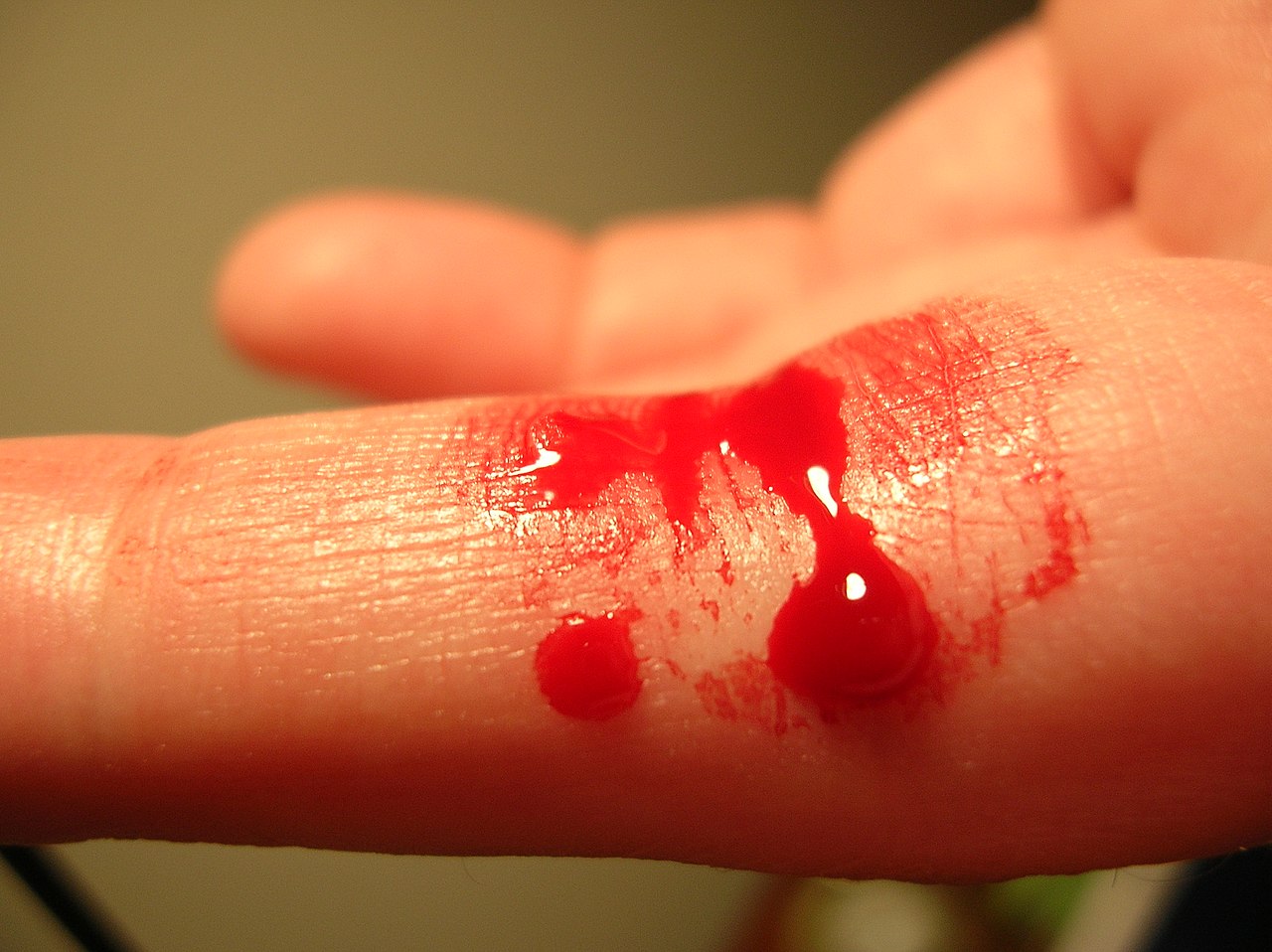
Bleeding, also known as hemorrhage or blood loss, is a serious medical condition that occurs when blood escapes from the circulatory system due to damaged blood vessels. This can happen internally, or externally through a natural opening such as the mouth, nose, ear, urethra, vagina, or anus, or through a puncture in the skin. According to the American Red Cross, bleeding can be controlled through proper first aid techniques, including applying pressure to the wound and elevating the affected area. However, in severe cases, bleeding can lead to hypovolemia, a massive decrease in blood volume, which can be life-threatening. The World Health Organization estimates that bleeding is responsible for over 2 million deaths worldwide each year.
💉 Understanding Hemorrhage and Blood Loss
Hemorrhage, or blood loss, can occur due to various reasons, including trauma, surgery, or underlying medical conditions such as hemophilia. The severity of bleeding depends on the location, rate, and volume of blood loss. For example, a person with a severe head injury may experience rapid blood loss, while someone with a minor cut may experience slow blood loss. The Centers for Disease Control and Prevention recommends that individuals with bleeding disorders, such as von Willebrand disease, take precautions to prevent excessive bleeding. Understanding the causes and consequences of hemorrhage is crucial for developing effective treatment strategies, including hemostasis, the stopping or controlling of bleeding.
👨⚕️ The Importance of Hemostasis in Medicine
Hemostasis is a critical process that helps to prevent excessive blood loss and promote healing. It involves the activation of platelets and the formation of a blood clot to seal the damaged blood vessel. The National Institutes of Health has funded research on the development of new hemostatic agents, such as fibrin glue, which can help to control bleeding in emergency situations. In addition to hemostasis, other medical interventions, such as surgery and transfusion, may be necessary to treat severe bleeding. The American College of Surgeons provides guidelines for surgeons on the management of bleeding during surgical procedures.
💔 Hypovolemia: The Dangers of Massive Blood Volume Decrease
Hypovolemia, or a massive decrease in blood volume, can occur due to severe bleeding, dehydration, or other medical conditions. This can lead to a range of symptoms, including dizziness, weakness, and shortness of breath. The European Resuscitation Council recommends that individuals with hypovolemia receive prompt medical attention, including fluid replacement and blood transfusion. In severe cases, hypovolemia can lead to organ failure and even death. The Society of Critical Care Medicine provides guidelines for the management of hypovolemia in critically ill patients.
💀 Exsanguination: Death by Excessive Blood Loss
Exsanguination, or death by excessive blood loss, is a serious consequence of uncontrolled bleeding. According to the National Center for Health Statistics, exsanguination is a leading cause of death in trauma patients. The American Heart Association recommends that individuals with bleeding disorders, such as sickle cell disease, take precautions to prevent excessive bleeding. In addition to medical interventions, public health strategies, such as blood donation and trauma prevention, can help to reduce the risk of exsanguination. The World Health Organization has launched initiatives to improve access to safe blood and blood products worldwide.
🏥 First Aid and Emergency Response to Bleeding
First aid and emergency response to bleeding are critical for preventing excessive blood loss and promoting recovery. The American Red Cross provides training programs for individuals to learn how to respond to bleeding emergencies, including applying pressure to the wound and elevating the affected area. In addition to first aid, medical interventions, such as surgery and transfusion, may be necessary to treat severe bleeding. The National Emergency Medical Services Association recommends that emergency medical services (EMS) providers receive training on the management of bleeding emergencies. The Centers for Disease Control and Prevention provides guidelines for the prevention and control of bleeding in healthcare settings.
👩🔬 The Role of Surgery in Controlling Bleeding
Surgery plays a critical role in controlling bleeding, particularly in cases where the bleeding is severe or life-threatening. The American College of Surgeons provides guidelines for surgeons on the management of bleeding during surgical procedures. In addition to surgical interventions, other medical strategies, such as hemostasis and transfusion, may be necessary to control bleeding. The Society of Thoracic Surgeons recommends that surgeons use evidence-based practices to minimize bleeding during cardiac surgery. The National Institute of Neurological Disorders and Stroke funds research on the development of new surgical techniques to control bleeding in neurosurgical procedures.
📊 Statistics on Blood Loss and Hemorrhage
Statistics on blood loss and hemorrhage are alarming, with millions of people affected worldwide each year. According to the World Health Organization, bleeding is responsible for over 2 million deaths worldwide each year. The Centers for Disease Control and Prevention estimates that bleeding disorders, such as hemophilia, affect over 400,000 people in the United States alone. The National Center for Health Statistics provides data on the incidence and prevalence of bleeding disorders in the United States. The European Centre for Disease Prevention and Control monitors the epidemiology of bleeding disorders in Europe.
🤝 The Impact of Bleeding on Quality of Life
The impact of bleeding on quality of life can be significant, particularly for individuals with bleeding disorders or those who have experienced severe bleeding. The National Hemophilia Foundation provides support and resources for individuals with bleeding disorders, including hemophilia and von Willebrand disease. The World Federation of Hemophilia recommends that individuals with bleeding disorders receive comprehensive care, including medical treatment and social support. The European Haematology Association provides guidelines for the management of bleeding disorders in Europe.
🔬 Future Directions in Bleeding Research and Treatment
Future directions in bleeding research and treatment are focused on developing new and innovative strategies to control bleeding and promote healing. The National Institutes of Health funds research on the development of new hemostatic agents, such as fibrin glue, and surgical techniques to control bleeding. The American Heart Association recommends that individuals with bleeding disorders, such as sickle cell disease, take precautions to prevent excessive bleeding. The World Health Organization has launched initiatives to improve access to safe blood and blood products worldwide.
📚 Conclusion: The Unseen Consequences of Bleeding
In conclusion, bleeding is a serious medical condition that requires prompt attention and treatment. The American Red Cross provides training programs for individuals to learn how to respond to bleeding emergencies, including applying pressure to the wound and elevating the affected area. The Centers for Disease Control and Prevention recommends that individuals with bleeding disorders, such as hemophilia, take precautions to prevent excessive bleeding. By understanding the causes and consequences of bleeding, we can develop effective treatment strategies to prevent excessive blood loss and promote recovery.
Key Facts
- Year
- 2022
- Origin
- Ancient Civilizations
- Category
- Health and Medicine
- Type
- Medical Condition
Frequently Asked Questions
What is bleeding?
Bleeding, also known as hemorrhage or blood loss, is a serious medical condition that occurs when blood escapes from the circulatory system due to damaged blood vessels. This can happen internally, or externally through a natural opening such as the mouth, nose, ear, urethra, vagina, or anus, or through a puncture in the skin. The American Red Cross provides training programs for individuals to learn how to respond to bleeding emergencies.
What is hypovolemia?
Hypovolemia, or a massive decrease in blood volume, can occur due to severe bleeding, dehydration, or other medical conditions. This can lead to a range of symptoms, including dizziness, weakness, and shortness of breath. The European Resuscitation Council recommends that individuals with hypovolemia receive prompt medical attention, including fluid replacement and blood transfusion.
What is exsanguination?
Exsanguination, or death by excessive blood loss, is a serious consequence of uncontrolled bleeding. According to the National Center for Health Statistics, exsanguination is a leading cause of death in trauma patients. The American Heart Association recommends that individuals with bleeding disorders, such as sickle cell disease, take precautions to prevent excessive bleeding.
How can I prevent excessive bleeding?
The American Red Cross provides training programs for individuals to learn how to respond to bleeding emergencies, including applying pressure to the wound and elevating the affected area. In addition, individuals with bleeding disorders, such as hemophilia, should take precautions to prevent excessive bleeding, including avoiding activities that may increase the risk of bleeding and seeking medical attention promptly if bleeding occurs.
What is the impact of bleeding on quality of life?
The impact of bleeding on quality of life can be significant, particularly for individuals with bleeding disorders or those who have experienced severe bleeding. The National Hemophilia Foundation provides support and resources for individuals with bleeding disorders, including hemophilia and von Willebrand disease. The World Federation of Hemophilia recommends that individuals with bleeding disorders receive comprehensive care, including medical treatment and social support.
What are the future directions in bleeding research and treatment?
Future directions in bleeding research and treatment are focused on developing new and innovative strategies to control bleeding and promote healing. The National Institutes of Health funds research on the development of new hemostatic agents, such as fibrin glue, and surgical techniques to control bleeding. The American Heart Association recommends that individuals with bleeding disorders, such as sickle cell disease, take precautions to prevent excessive bleeding.
What is the role of surgery in controlling bleeding?
Surgery plays a critical role in controlling bleeding, particularly in cases where the bleeding is severe or life-threatening. The American College of Surgeons provides guidelines for surgeons on the management of bleeding during surgical procedures. In addition to surgical interventions, other medical strategies, such as hemostasis and transfusion, may be necessary to control bleeding.