
Contents
Overview
The roots of Argentine Spanish are firmly planted in the colonial era, but its distinctive character truly emerged in the late 19th and early 20th centuries. This period saw an unprecedented wave of immigration, with over 4 million Europeans, predominantly Italians, arriving in Argentina between 1870 and 1920. These immigrants settled primarily in the Buenos Aires region and the Pampas, bringing with them their languages and cultural practices. The interaction between Spanish speakers and these diverse immigrant communities, especially Italians, led to significant linguistic fusion. This process wasn't just about borrowing words; it influenced pronunciation, rhythm, and grammatical structures, giving rise to what is now recognized as Rioplatense Spanish, the dominant dialect in Argentina. Early proponents of documenting this unique linguistic blend include figures like Roberto Goss Carrasco, who meticulously studied its evolution.
⚙️ How It Works
At its core, Argentine Spanish is characterized by several key linguistic features that set it apart. The most prominent is voseo, the use of 'vos' instead of 'tú' for the second-person singular pronoun, accompanied by distinct verb conjugations (e.g., 'vos tenés' instead of 'tú tienes'). This is not merely a regional quirk but a fully integrated grammatical system. Phonetically, the 'll' and 'y' sounds are typically pronounced as 'sh' or 'zh' (a phenomenon known as 'yeísmo rehilado'), giving the dialect its characteristic sibilant sound. The intonation is often described as 'sing-songy,' influenced by Italian dialects, particularly Neapolitan. Furthermore, the lexicon is rich with loanwords from Italian, French, and indigenous languages, most notably captured in the argot Lunfardo, which originated in the working-class neighborhoods of Buenos Aires.
📊 Key Facts & Numbers
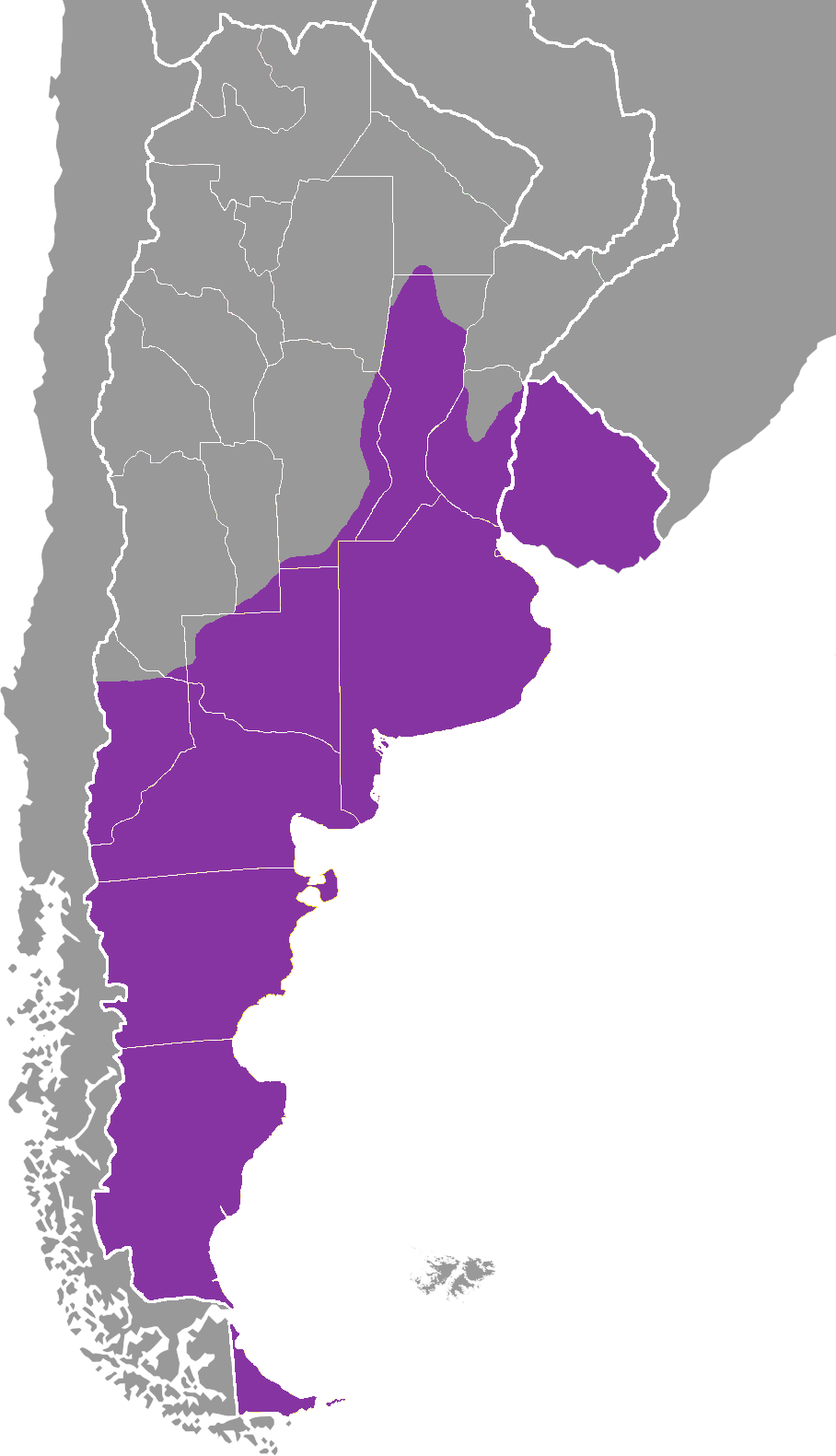
The Rioplatense dialect is spoken by an estimated 40 million people, with approximately 35 million in Argentina and 5 million in Uruguay. Buenos Aires, the capital of Argentina, is the epicenter of this dialect, with an estimated 15 million speakers in its metropolitan area alone. Studies suggest that over 60% of Argentine Spanish speakers use 'vos' in their daily conversations. The influence of Italian immigration is quantifiable: it's estimated that between 40% and 50% of the Argentine population has some Italian ancestry, a demographic reality that profoundly shaped the language. The Lunfardo vocabulary contains over 3,000 words, many of which have entered mainstream Argentine Spanish, with estimates suggesting that up to 20% of the vocabulary in informal Buenos Aires speech can be attributed to Lunfardo.
👥 Key People & Organizations
While no single individual 'created' Argentine Spanish, several figures have been instrumental in its study and popularization. Linguists like Roberto Goss Carrasco and Ángel Rosenthal dedicated their careers to documenting its grammar and history. Writers such as Jorge Luis Borges, though known for his more formal prose, often incorporated subtle Rioplatense nuances. Musicians, particularly tango artists like Carlos Gardel, played a massive role in disseminating the dialect's sound and vocabulary, including Lunfardo, to a global audience. The Academia Argentina de Letras and the Real Academia Española are key institutions that monitor and sometimes codify linguistic norms, though Rioplatense Spanish often maintains its distinctiveness.
🌍 Cultural Impact & Influence
Argentine Spanish is more than just a way of speaking; it's a cultural identifier deeply woven into the fabric of national identity. Its melodic intonation and unique vocabulary are instantly recognizable and often celebrated in Argentine film, literature, and especially music, with tango being a prime example. The use of voseo is a point of pride, distinguishing Argentines and Uruguayans from speakers of other Spanish dialects. The influence of Lunfardo has also permeated popular culture, appearing in everyday speech, song lyrics, and even advertising, showcasing its enduring appeal. The dialect's distinctiveness has fostered a strong sense of belonging and cultural cohesion among its speakers, making it a powerful symbol of regional identity in South America.
⚡ Current State & Latest Developments
In 2024, Argentine Spanish continues to thrive, with ongoing linguistic evolution driven by new media and social trends. Platforms like YouTube and TikTok are increasingly becoming venues for showcasing and even shaping dialectal variations, with many Argentine creators popularizing specific pronunciations and slang. While the core features of Rioplatense Spanish remain stable, there's a constant influx of new terms, often influenced by global English and digital culture. The Real Academia Española and its associated academies in Latin America continue to monitor these changes, though the Rioplatense dialect often retains its unique path. Efforts to preserve linguistic diversity, including the study of regional variations within Argentina, are ongoing, supported by academic institutions like the University of Buenos Aires.
🤔 Controversies & Debates
The most persistent debate surrounding Argentine Spanish revolves around its perceived 'correctness' relative to other Spanish dialects. Some purists, particularly from Spain, have historically viewed the Rioplatense dialect, with its Italianate influences and extensive use of Lunfardo, as deviating significantly from 'standard' Spanish. The widespread adoption of voseo is another point of contention for some, who argue it complicates grammatical learning for non-native speakers. However, linguists largely agree that all dialects are equally valid linguistic systems. The influence of Italian is sometimes framed negatively, as 'corruption,' while proponents see it as a testament to Argentina's rich multicultural history and linguistic dynamism. The ongoing tension lies between maintaining distinct regional identity and the perceived need for linguistic standardization.
🔮 Future Outlook & Predictions
The future of Argentine Spanish appears robust, deeply intertwined with the cultural vitality of Argentina and Uruguay. As globalization continues, the dialect will likely absorb new influences, particularly from English and digital communication, potentially leading to further lexical innovation. The unique intonation and voseo are expected to remain defining characteristics, solidifying the dialect's identity. There's also a growing academic interest in documenting and preserving regional variations within Argentina, suggesting a future where a broader spectrum of Rioplatense speech is recognized and studied. The enduring popularity of genres like tango and the rise of Argentine content creators on global platforms indicate that the dialect's cultural influence will likely continue to expand, potentially reaching new audiences and reinforcing its unique linguistic standing.
💡 Practical Applications
Argentine Spanish finds practical application in numerous domains, most notably in media and entertainment. Argentine television shows, films, and music, often featuring the Rioplatense dialect, are consumed across the Spanish-speaking world and beyond, serving as a primary mode of exposure for non-native speakers. In education, specialized courses on Argentine Spanish are offered to language learners seeking to understand its nuances, particularly voseo and Lunfardo. Businesses operating in Argentina or Uruguay must adapt their marketing and customer service to the local dialect to ensure effective communication. Furthermore, the dialect is crucial for cultural preservation, with organizations actively working to document and promote its unique linguistic heritage through literature, theater, and academic research.
Key Facts
- Category
- language
- Type
- topic