Contents
- 🤸 What Exactly *Is* Acrobatics?
- 📍 Where to Experience Acrobatics Live
- 💰 Cost of Admission & Training
- ⭐ Vibe Check: Acrobatic Performances
- ⚖️ Acrobatics vs. Gymnastics: The Nuance
- 💡 Essential Acrobatics Terminology
- 🌟 Acrobatic Pioneers & Modern Masters
- 📈 The Future of Human Flight & Balance
- Frequently Asked Questions
- Related Topics
Overview
Acrobatics, a discipline demanding extraordinary physical control, courage, and artistry, encompasses a breathtaking array of human feats. Its roots stretch back to ancient civilizations, where it served religious, ceremonial, and entertainment purposes. Today, acrobatics thrives in diverse forms, from the high-stakes drama of circus arts and competitive gymnastics to the raw expression of street performance. The practice pushes the boundaries of human potential, requiring immense strength, flexibility, and spatial awareness, often performed with minimal safety equipment, amplifying the inherent risk and the audience's thrill. Understanding acrobatics means appreciating its historical evolution, the rigorous training involved, and its enduring cultural impact.
🤸 What Exactly *Is* Acrobatics?
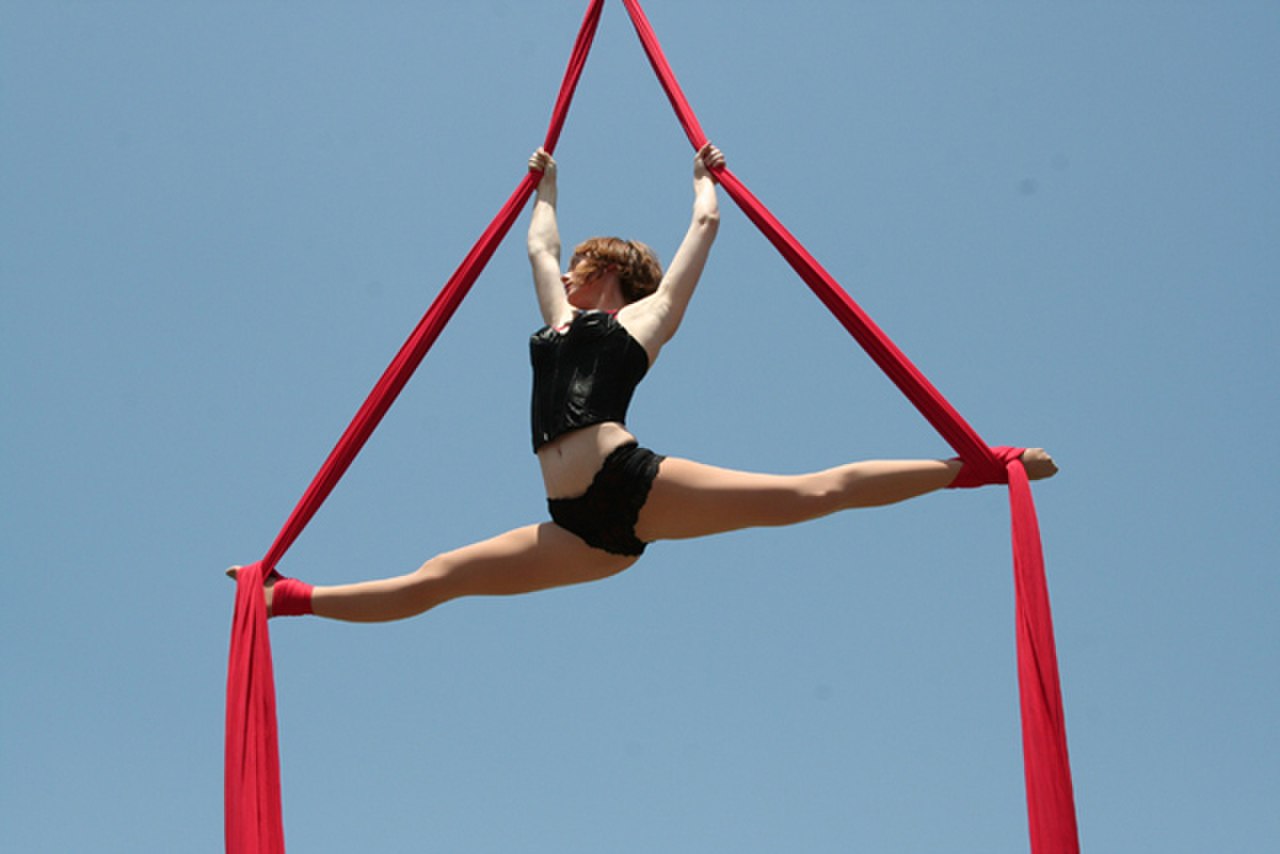
Acrobatics, at its heart, is the breathtaking art of defying gravity and mastering the body's limits through balance, agility, and sheer motor coordination. It's not just about flipping; it's about controlled, intentional movement that pushes the boundaries of what the human form can achieve. While often seen in the dazzling displays of the circus arts and the precision of gymnastics disciplines, its tendrils reach into acro dance performances, martial arts techniques, and even the fluid grace of ballet movements. Think of it as the ultimate physical storytelling, where the narrative is written in mid-air and on the edge of stability.
📍 Where to Experience Acrobatics Live
Experiencing acrobatics live is an electrifying affair, best witnessed at dedicated circus venues worldwide or during major gymnastics competitions. Cities with vibrant performing arts scenes often host touring acrobatic troupes like Cirque du Soleil or Les 7 Doigts de la Main. Keep an eye on local theaters and event listings for performances that might showcase acro dance routines or specialized circus festivals. For a more raw, urban flavor, observing freerunning practitioners in public spaces can offer a glimpse into its unscripted, kinetic energy, though this is not a formal venue.
💰 Cost of Admission & Training
The cost of experiencing acrobatics varies wildly. A ticket to a professional circus show can range from $50 to $200+, depending on the seating and production value. Attending a gymnastics competition might be more affordable, often in the $20-$100 range for major events. For those looking to train, introductory classes at acrobatic schools or gymnastics clubs typically cost between $20-$50 per session, with package deals and monthly memberships offering better value. The investment in learning these skills is significant, demanding dedication and often specialized equipment.
⭐ Vibe Check: Acrobatic Performances
The 'vibe' of acrobatic performances is generally one of awe, excitement, and intense focus. Audiences are captivated by the seemingly impossible feats, the sheer physical power, and the artistry involved. There's a palpable tension during high-stakes maneuvers, followed by explosive applause when they are successfully executed. The cultural resonance is deep, tapping into ancient human desires for flight and mastery over our physical selves. Whether it's the theatricality of a circus or the competitive intensity of gymnastics, the energy is undeniably electric, earning high Vibe Scores for spectacle and engagement.
⚖️ Acrobatics vs. Gymnastics: The Nuance
While often conflated, acrobatics and gymnastics are distinct, though heavily overlapping. Gymnastics is a codified sport with specific disciplines (artistic, rhythmic, trampoline) and standardized scoring systems, governed by bodies like the International Gymnastics Federation (FIG). Acrobatics, conversely, is a broader term encompassing a wider range of skills and applications, including those found in circus arts and acro dance. A gymnast uses acrobatic skills, but not all acrobatic performances fall under the umbrella of competitive gymnastics. The controversy lies in where the line is drawn, especially in disciplines like acrobatic gymnastics, which bridges the gap.
💡 Essential Acrobatics Terminology
Understanding acrobatics involves a lexicon of specific terms. 'Tumbling' refers to a series of acrobatic skills performed in sequence, often involving flips and twists. 'Aerials' are skills performed in the air, without hand contact on the ground. 'Balance' encompasses static holds and dynamic equilibrium, crucial for slacklining and hand balancing acts. 'Agility' relates to quick, precise movements and changes in direction. 'Motor coordination' is the overarching ability to use different parts of the body together smoothly and efficiently, a cornerstone of all performing arts involving movement.
🌟 Acrobatic Pioneers & Modern Masters
The history of acrobatics is as old as civilization itself, with evidence found in ancient Egyptian tomb paintings dating back to 2000 BC. Pioneers like Jules Léotard, who invented the flying trapeze in the mid-19th century, revolutionized circus performance. In modern times, figures like Nik Wallenda, known for his high-wire walks, and the collective innovation within troupes like Cirque du Soleil have pushed the boundaries. The influence flows from traditional circus and gymnastics into contemporary forms like parkour and breakdancing, constantly evolving.
📈 The Future of Human Flight & Balance
The future of acrobatics is a thrilling prospect, leaning into technological integration and increasingly complex human feats. We're seeing a rise in drone-assisted acrobatics and augmented reality overlays in performances, blurring the lines between the physical and digital. The competitive landscape will likely see further integration of acrobatic elements into existing sports and the potential emergence of new disciplines. The ongoing debate centers on whether this technological augmentation enhances or detracts from the purity of human physical achievement, and who will ultimately control the narrative and the economics of these evolving spectacles.
Key Facts
- Year
- Circa 2500 BCE
- Origin
- Ancient Egypt
- Category
- Performing Arts & Sports
- Type
- Topic
Frequently Asked Questions
Is acrobatics dangerous?
Acrobatics inherently involves risk, as it pushes the physical limits of the human body. However, the level of danger is significantly mitigated by proper training, qualified instructors, safety equipment (like mats and harnesses), and progressive skill development. Reputable acrobatic schools prioritize safety protocols. The perceived danger often stems from spectacular, high-risk performances, but everyday training is designed to be as safe as possible.
What age is appropriate to start learning acrobatics?
Children can begin with foundational movement and coordination classes as young as 3-5 years old. More formal acrobatic training, including tumbling and partner work, is typically recommended for ages 6 and up, once a child has developed better body awareness and strength. Adults can start learning acrobatics at any age, though progression might be slower due to physical conditioning. The key is finding a program suitable for your current physical condition.
Do I need to be strong or flexible to start acrobatics?
You don't need to be exceptionally strong or flexible to begin. Most acrobatic training programs incorporate conditioning and flexibility exercises as part of the curriculum. The training itself will build the necessary strength and flexibility over time. The most important prerequisites are a willingness to learn, a positive attitude, and a commitment to consistent practice.
What's the difference between an acrobat and a gymnast?
A gymnast competes in a sport with specific, regulated events and scoring, governed by organizations like the International Gymnastics Federation (FIG). An acrobat is a broader term for someone who performs feats of balance, agility, and coordination, often in contexts like the circus arts, acro dance, or street performance. While gymnasts are highly skilled acrobats, not all acrobats are competitive gymnasts.
Where can I find acrobatic classes near me?
You can typically find acrobatic classes at gymnastics clubs, circus schools, dance studios offering acro programs, and dedicated acrobatic training centers. A quick online search for 'acrobatics classes,' 'gymnastics lessons,' or 'circus training' in your local area should provide a list of options. Vibepedia's local directory can also help you discover nearby facilities.
What are the main types of acrobatic skills?
Key acrobatic skills include tumbling (flips, twists), aerials (skills performed in the air), hand balancing (static holds on hands), partner acrobatics (lifts, pyramids, throws), and contortion (extreme flexibility). These skills are often combined and sequenced to create routines in various disciplines like circus performance, acro yoga, and competitive acrobatics.