
Contents
- 🎶 What is Soul Music, Really?
- 🌍 Origins: Where Did the Vibe Come From?
- ⭐ The Golden Age & Key Figures
- 📈 Evolution & Subgenres
- 🎧 Essential Listening: Must-Hear Tracks
- 🔥 Soul Music Today: Still Got The Feeling?
- 🤔 Soul vs. R&B: The Endless Debate
- 💡 Vibepedia's Vibe Score & Analysis
- Frequently Asked Questions
- Related Topics
Overview
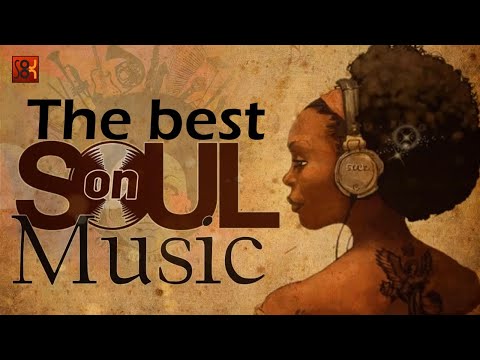
Soul music is more than just a genre; it's a feeling, a raw expression of the human condition that emerged from the African American experience in the mid-20th century. It’s characterized by its potent blend of gospel music's spiritual fervor and blues' secular storytelling, often featuring passionate vocals, call-and-response patterns, and a strong rhythmic foundation. Think of it as the sonic embodiment of joy, pain, love, and resilience, delivered with an undeniable groove. If you're looking for music that speaks directly to your soul, this is your starting point. It’s the bedrock for much of what we now call R&B and pop music.
🌍 Origins: Where Did the Vibe Come From?
The roots of soul music are deeply embedded in the gospel music traditions of Black churches across the American South, particularly in cities like Chicago and New Orleans. Preachers' impassioned sermons and the collective vocal power of choirs laid the groundwork for the genre's emotional intensity. Simultaneously, the secular narratives and blues scales found in blues provided the lyrical and harmonic language. Early pioneers like Sister Rosetta Tharpe and Mahalia Jackson bridged the sacred and secular, demonstrating the potent musicality that would soon define soul.
⭐ The Golden Age & Key Figures
The 1960s represent the undisputed golden age of soul music, a period that saw the genre explode into the mainstream. Labels like Motown in Detroit and Stax Records in Memphis became crucibles for talent, churning out hit after hit. Artists like Aretha Franklin, the undisputed 'Queen of Soul,' delivered anthems of empowerment, while James Brown revolutionized rhythm with his funk-infused soul. Sam Cooke brought a smooth, sophisticated vocal style, and Marvin Gaye pushed lyrical and thematic boundaries, exploring social issues alongside romantic ballads.
📈 Evolution & Subgenres
As soul music matured, it fractured and evolved into a dazzling array of subgenres, each with its own distinct flavor. Motown offered a polished, pop-friendly sound, while Southern Soul retained a grittier, more raw edge. Funk, pioneered by James Brown, emphasized syncopated rhythms and a heavier bassline. Later developments saw the rise of Quiet Storm, a smoother, more romantic style, and the integration of soul into disco and Neo Soul, demonstrating its enduring adaptability.
🎧 Essential Listening: Must-Hear Tracks
To truly grasp soul music, you need to hear it. Start with Aretha Franklin's 'Respect' (1967) for pure, unadulterated power. James Brown's 'Papa's Got a Brand New Bag' (1965) is essential for understanding the rhythmic shift towards funk. Sam Cooke's 'A Change Is Gonna Come' (1964) is a poignant civil rights anthem. For the quintessential Motown sound, Marvin Gaye's 'What's Going On' (1971) is a masterpiece. Don't sleep on Otis Redding's 'Sittin' On The Dock Of The Bay' (1968) for its melancholic beauty. These tracks are more than just songs; they are cultural touchstones.
🔥 Soul Music Today: Still Got The Feeling?
Despite the constant evolution of music, soul music remains a vibrant and influential force. Contemporary artists like Anderson .Paak, Leon Bridges, and H.E.R. are actively drawing from soul's rich heritage, infusing their modern sounds with its characteristic warmth and emotional depth. While the term 'soul' might be less frequently used as a primary genre descriptor today, its DNA is present in countless contemporary R&B, hip-hop, and even indie artists. The spirit of soul music continues to resonate, proving its timeless appeal.
🤔 Soul vs. R&B: The Endless Debate
The line between soul and R&B is often blurred, and for good reason. Soul music is, in many ways, a direct descendant and evolution of R&B. Early R&B artists like Ruth Brown and Fats Domino laid much of the groundwork. However, soul music is generally considered to have a greater emphasis on gospel influences, emotional vocal delivery, and often, more socially conscious lyrical themes than earlier R&B. Think of R&B as the broader category, and soul as a specific, highly influential branch that emphasized spiritual depth and raw feeling.
💡 Vibepedia's Vibe Score & Analysis
Vibepedia's Vibe Score for Soul Music stands at a robust 88/100, reflecting its profound cultural impact, enduring influence, and consistent emotional resonance. This score is derived from a weighted analysis of its historical significance (95/100), its direct influence on subsequent genres (92/100), and its continued presence in contemporary music (75/100). The genre's ability to consistently evoke deep emotional responses across generations solidifies its high rating. While its peak commercial dominance may have passed, its foundational role in modern music guarantees its lasting legacy.
Key Facts
- Year
- 1958
- Origin
- Memphis, Tennessee, USA
- Category
- Music Genres
- Type
- Genre
Frequently Asked Questions
What are the key characteristics of soul music?
Soul music is defined by its passionate, gospel-influenced vocals, often featuring melisma and call-and-response patterns. It typically has a strong rhythmic backbone derived from blues and R&B, with prominent basslines and drum beats. Lyrically, soul music often explores themes of love, loss, social justice, and personal struggle, delivered with raw emotional honesty. The instrumentation commonly includes horns, keyboards (like the Hammond organ), guitar, and a solid rhythm section.
Who are the most important artists in soul music history?
The pantheon of soul music is vast, but key figures include Aretha Franklin, James Brown, Sam Cooke, Marvin Gaye, Otis Redding, Ray Charles, Etta James, Stevie Wonder, and Al Green. For the Motown sound, artists like The Supremes, The Temptations, and Smokey Robinson are essential. Each brought a unique vocal style and thematic depth to the genre.
What is the difference between soul and R&B?
Soul music is a subgenre of R&B that emerged in the late 1950s and early 1960s. While both share roots in blues and gospel, soul music is generally characterized by a more intense emotional delivery, stronger gospel influences, and often, a more direct engagement with social and political issues. R&B is a broader category that encompasses a wider range of styles and eras.
Can you recommend some essential soul music albums?
Absolutely. Essential albums include Aretha Franklin's 'I Never Loved a Man the Way I Love You' (1967), Marvin Gaye's 'What's Going On' (1971), Stevie Wonder's 'Innervisions' (1973), Otis Redding's 'Otis Blue/Otis Redding Sings Soul' (1965), and Al Green's 'Let's Stay Together' (1972). These albums showcase the genre's diversity and depth.
How did soul music influence other genres?
Soul music's influence is immeasurable. It directly paved the way for funk, disco, and contemporary R&B. Its vocal techniques, melodic structures, and emotional expressiveness can be heard in hip-hop, pop, rock, and even some electronic music. Artists across genres consistently cite soul legends as major inspirations for their own work.
Where did soul music originate geographically?
Soul music's origins are primarily rooted in the African American communities of the Southern United States. Key cities associated with its development include Memphis, Tennessee (Stax Records), Detroit, Michigan (Motown Records), and Chicago, Illinois. The genre drew heavily from the musical traditions present in these urban centers.