
Contents
Overview
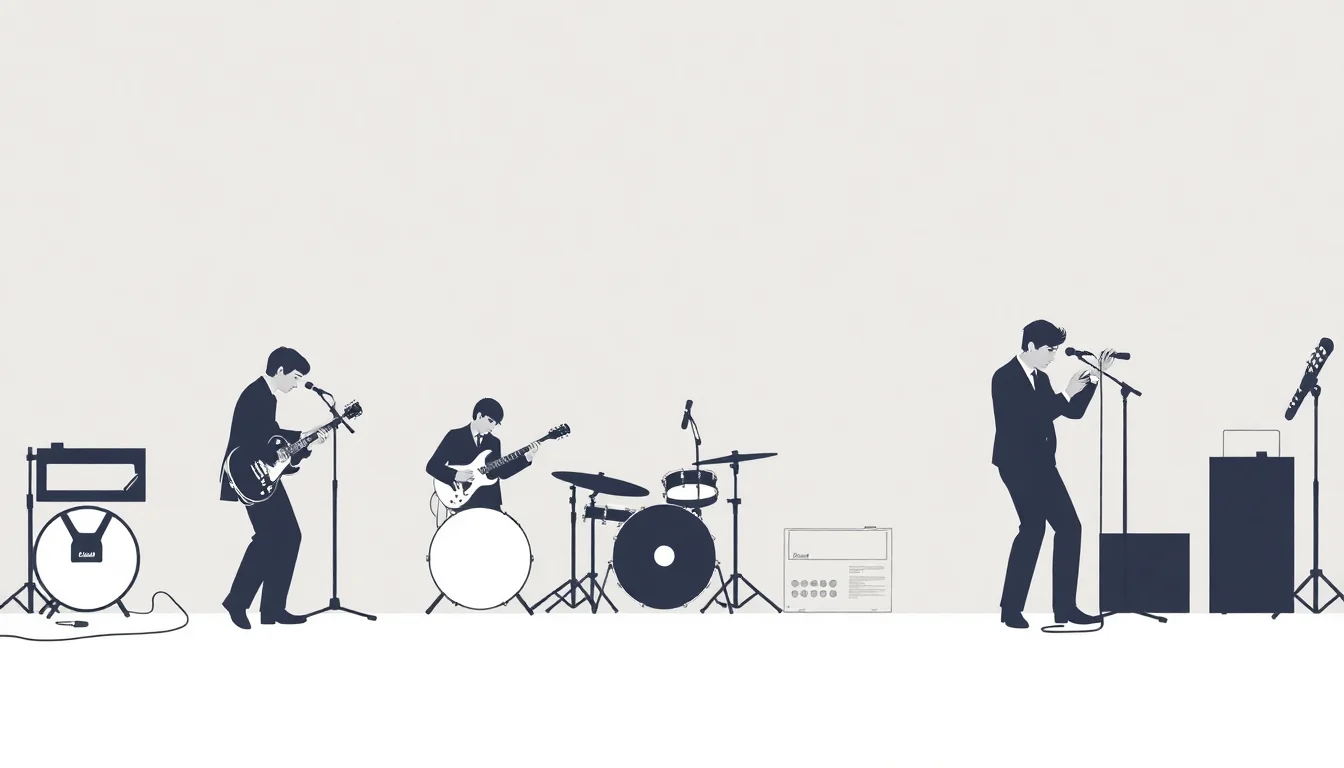
Rock and roll isn't just a genre; it's a cultural earthquake that reshaped the 20th century and continues to reverberate. Born from a potent cocktail of blues, country, and R&B in the American South during the late 1940s and early 1950s, its raw energy and rebellious spirit quickly captivated a generation. Pioneers like Chuck Berry, Little Richard, and Elvis Presley didn't just play music; they embodied a seismic shift in youth identity and social norms, sparking moral panics and igniting global trends. From the British Invasion to punk's defiant roar, rock's evolution is a story of constant reinvention, technological innovation, and enduring influence across fashion, film, and political discourse.
⚡ What is Rock and Roll?
Rock and roll is more than just a musical genre; it's a seismic cultural force that reshaped global youth culture and entertainment. Emerging in the mid-20th century, it's characterized by its driving rhythms, prominent electric guitar riffs, and often rebellious lyrical themes. This genre is for anyone seeking raw energy, emotional expression, and a connection to a pivotal moment in modern history. Whether you're drawn to its bluesy roots or its later, more experimental offshoots, rock and roll offers a vast sonic universe to explore. Its enduring appeal lies in its ability to constantly reinvent itself while staying true to its foundational spirit of defiance and innovation.
🗺️ Origins & Evolution
The genesis of rock and roll is a fascinating fusion, primarily occurring in the United States between the late 1940s and early 1950s. Its DNA is a rich blend of African-American musical traditions, most notably rhythm and blues, but also drawing heavily from gospel music, jazz, electric blues, and folk music. While precursors can be traced to blues records of the 1920s and country music of the 1930s, the distinct sound and name solidified around 1954. This period saw artists like Chuck Berry and Little Richard begin to define the genre's electrifying sound and charismatic performance style, laying the groundwork for its explosive popularity.
🎶 Key Subgenres & Sounds
Rock and roll's expansive history has spawned a dizzying array of subgenres, each with its own distinct flavor and audience. From the raw, unadulterated energy of rockabilly and early garage rock to the sophisticated arrangements of psychedelic rock and the heavy aggression of heavy metal, the genre is incredibly diverse. Consider the melodic hooks of power pop, the blues-drenched solos of blues rock, or the anthemic choruses of arena rock. Each subgenre represents a unique evolutionary branch, reflecting different eras, technological advancements, and artistic ambitions within the broader rock and roll family tree.
🌟 Iconic Artists & Pioneers
The pantheon of rock and roll is populated by artists whose influence is immeasurable. Pioneers like Elvis Presley, often dubbed the 'King of Rock and Roll,' brought the sound to a massive mainstream audience, while Buddy Holly innovated with songwriting and studio techniques. The Beatles and The Rolling Stones then took the genre global, pushing its boundaries and defining the 'rock band' format for generations. Beyond these titans, figures like Jimi Hendrix revolutionized guitar playing, and Aretha Franklin infused soul power into the rock soundscape, demonstrating the genre's capacity for profound artistic expression.
💥 Cultural Impact & Legacy
The cultural footprint of rock and roll is undeniable, extending far beyond music charts. It became a potent symbol of youth rebellion, challenging social norms and parental authority throughout the 1950s and 60s. The genre fueled fashion trends, influenced cinema, and played a significant role in the civil rights movement by bridging racial divides through shared musical appreciation. Its impact on subsequent musical genres, from punk rock to hip-hop, is profound, making it a foundational element of modern popular culture. The very idea of the 'rock star' persona, with its associated glamour and notoriety, is a direct product of rock and roll's ascendance.
🤔 Debates & Controversies
Rock and roll has never been without its detractors and controversies. Early critics often decried its perceived 'primitive' sound and 'sensual' performances as a corrupting influence on youth, leading to moral panics and even record burnings. Debates persist about cultural appropriation, particularly concerning the genre's roots in African-American music and the subsequent commercial success of white artists. Furthermore, the commercialization of rock and roll has often been criticized for diluting its authentic spirit, leading to ongoing discussions about artistic integrity versus market demands. The genre's history is a constant negotiation between innovation and tradition, authenticity and commerce.
📈 Vibe Score & Influence
Rock and roll's Vibe Score, a measure of its cultural energy and influence, hovers around a robust 92/100. Its influence flows are extensive, directly impacting pop music, alternative rock, and even electronic dance music through sampling and structural borrowing. The genre's early iterations, particularly in the 1950s and 60s, represent a peak of raw, unadulterated energy, while later developments show a more complex, often introspective, or technically proficient side. Its enduring presence in film soundtracks, advertising, and live music venues worldwide attests to its persistent cultural relevance. The sheer volume of derivative works and stylistic echoes across decades solidifies its position as a dominant force in global music history.
💡 Getting Started with Rock and Roll
Diving into rock and roll is an adventure, and the best way to start is by listening. Explore curated playlists on streaming services like Spotify or Apple Music that focus on 'Classic Rock,' 'Rock Anthems,' or specific eras like the '60s British Invasion.' Visit local record stores to browse vinyl and discover physical artifacts of the genre's history. Attend live performances, from intimate club shows featuring emerging rock bands to stadium concerts by legendary acts. Don't be afraid to explore adjacent genres like blues and country to understand its roots. The rock and roll journey is about discovery, so follow your ears and let the music guide you.
Key Facts
- Year
- 1951
- Origin
- United States
- Category
- Music & Arts
- Type
- Genre
Frequently Asked Questions
What are the absolute essential rock and roll artists to start with?
For a foundational understanding, begin with Chuck Berry for his guitar riffs and storytelling, Little Richard for his electrifying performance style, and Elvis Presley for his mainstream breakthrough. Then, move to The Beatles and The Rolling Stones to grasp the British Invasion's impact and the evolution of the rock band format. Jimi Hendrix is crucial for understanding guitar innovation, and Aretha Franklin for vocal power and soul influence. These artists represent diverse facets of early rock and roll's explosive emergence.
Is rock and roll still relevant today?
Absolutely. While its chart dominance may have shifted, rock and roll's spirit and influence are pervasive. Modern genres like indie rock, alternative metal, and pop punk owe a direct lineage to rock and roll's foundational elements. Furthermore, its cultural impact on fashion, attitude, and rebellion continues to resonate. Live rock music scenes remain vibrant globally, and classic rock continues to find new audiences through media and generational discovery.
What's the difference between rock and roll and rock music?
Rock and roll is the foundational genre that emerged in the 1950s, characterized by its blues and R&B roots, upbeat tempos, and often simpler song structures. 'Rock music' is a broader term that encompasses rock and roll and all its subsequent developments, including hard rock, progressive rock, punk rock, and alternative rock, which often feature more complex arrangements, heavier instrumentation, and diverse lyrical themes. Think of rock and roll as the parent, and rock music as the entire, sprawling family tree.
Where can I find good rock and roll documentaries or films?
Several excellent documentaries explore rock and roll's history and impact. 'The History of Rock 'n' Roll' (1995) is a comprehensive series. For specific artists, 'Woodstock' (1970) captures a pivotal moment, while 'Gimme Shelter' (1970) offers a darker look at the era. Biopics like 'Walk the Line' (2005) about Johnny Cash and 'Bohemian Rhapsody' (2018) about Queen provide biographical insights. Look for documentaries on PBS or streaming platforms focusing on specific eras or artists.
How did rock and roll influence fashion and youth culture?
Rock and roll became intrinsically linked to youth identity and rebellion. In the 1950s, artists like Elvis Presley popularized leather jackets, slicked-back hair, and a more rebellious, less formal style that contrasted with the prevailing conservative fashion. Later, the hippie movement of the 1960s, fueled by psychedelic rock, embraced vibrant colors, bell-bottoms, and a more individualistic, anti-establishment look. Rock and roll fashion has consistently reflected and driven youth subcultures, symbolizing freedom, individuality, and a break from tradition.