
Contents
- 🌍 Overview: The Shifting Tides of Global LGBTQ+ Rights
- 📍 Key Regions & Legal Landscapes
- ⚖️ Landmark Legal Battles & Victories
- 🏳️🌈 Cultural Milestones & Representation
- ⚠️ Ongoing Challenges & Backlash
- 🤝 Advocacy Groups & How to Get Involved
- 📈 Vibe Score & Controversy Spectrum
- 💡 Future Outlook & Emerging Issues
- Frequently Asked Questions
- Related Topics
Overview
LGBTQ+ rights represent a dynamic and often contentious global movement advocating for the legal and social equality of lesbian, gay, bisexual, transgender, queer, and other gender and sexual minority individuals. This struggle, rooted in historical resistance against discrimination and violence, has seen significant victories, including marriage equality in numerous nations and protections against employment discrimination. However, substantial challenges persist, with ongoing debates surrounding transgender rights, conversion therapy bans, and the rollback of protections in various regions. Understanding LGBTQ+ rights requires examining legal frameworks, cultural shifts, and the persistent activism that continues to shape the landscape of inclusion and human dignity worldwide.
🌍 Overview: The Shifting Tides of Global LGBTQ+ Rights
LGBTQ+ Rights: A Global Reckoning isn't a single destination but a dynamic, ongoing movement. It encompasses the legal, social, and cultural battles for equality faced by lesbian, gay, bisexual, transgender, queer, and other non-heterosexual and non-cisgender individuals worldwide. This isn't about a place to visit; it's about understanding the complex, often contradictory, global progress and regression in securing fundamental human rights for LGBTQ+ people. Think of it as a real-time global status report on liberation, marked by both exhilarating breakthroughs and deeply concerning setbacks. The Vibe Score for this topic fluctuates wildly, reflecting intense global engagement and conflict.
📍 Key Regions & Legal Landscapes
The legal landscape for LGBTQ+ rights is a patchwork quilt of progress and prohibition. Western Europe and North America have seen significant advancements, with many nations legalizing same-sex marriage and enacting robust anti-discrimination laws. However, in over 60 countries, consensual same-sex acts remain criminalized, with some imposing severe penalties, including death. Regions like the Middle East and parts of Africa often present the most challenging legal environments, while Asia and Latin America show a more mixed, evolving picture. Understanding these regional disparities is crucial for grasping the global scope of the struggle for International Human Rights.
⚖️ Landmark Legal Battles & Victories
The fight for LGBTQ+ rights has been punctuated by pivotal legal moments that have reshaped jurisprudence and societal norms. The decriminalization of homosexuality in India in 2018 (Section 377) was a monumental victory, overturning a colonial-era law. The U.S. Supreme Court's Obergefell v. Hodges decision in 2015, legalizing same-sex marriage nationwide, was another landmark. Globally, the push for legal gender recognition for transgender individuals is gaining momentum, though often met with fierce resistance. These legal battles are not merely abstract; they directly impact the lives and safety of millions, influencing Public Policy and access to justice.
🏳️🌈 Cultural Milestones & Representation
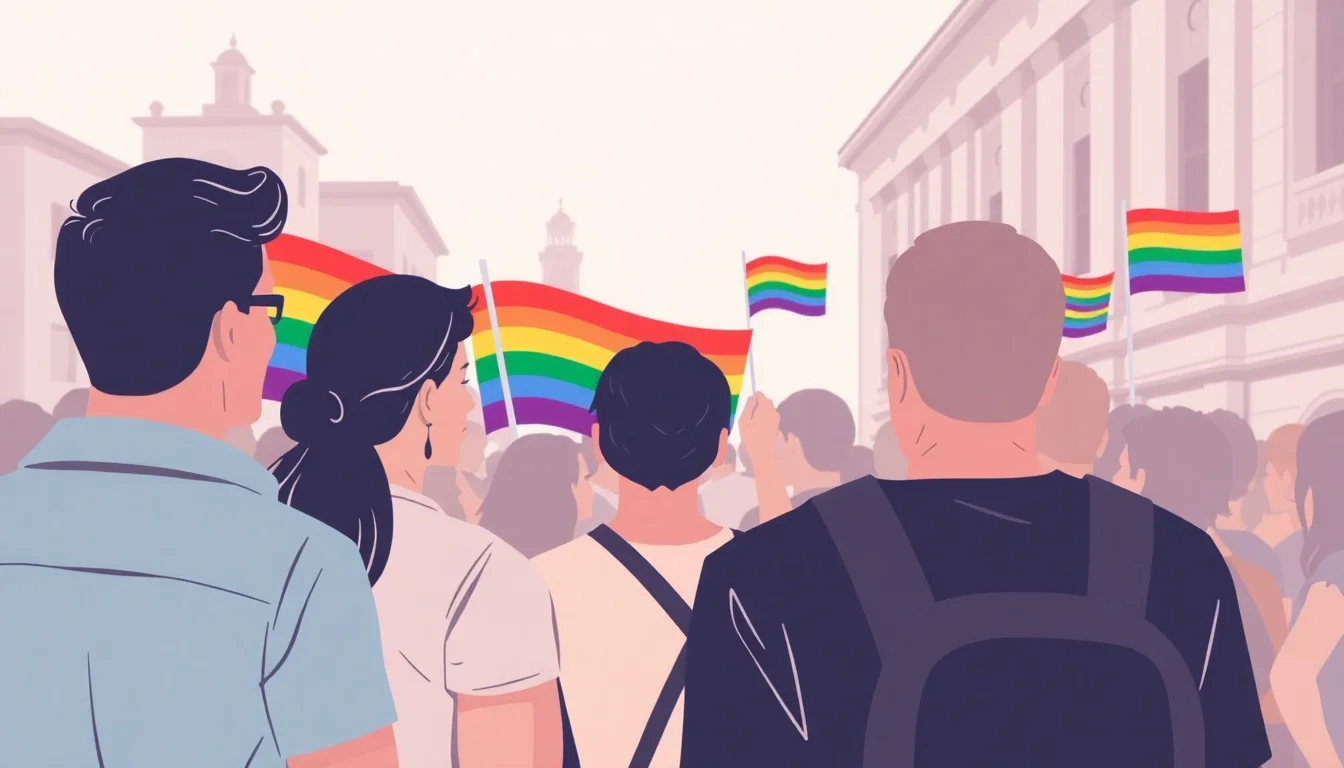
Cultural representation and visibility have played an undeniable role in shifting public perception and fostering acceptance. From the early days of underground queer cinema to mainstream Hollywood productions featuring LGBTQ+ characters, the narrative has evolved dramatically. The rise of social media has empowered individuals to share their stories and build communities, bypassing traditional gatekeepers. Pride parades, once acts of defiance, are now global celebrations, though their commercialization and political messaging remain subjects of debate. This growing visibility contributes to a higher Cultural Resonance for LGBTQ+ issues.
⚠️ Ongoing Challenges & Backlash
Despite significant progress, a powerful backlash is underway in many parts of the world. We're seeing legislative efforts to restrict LGBTQ+ rights, particularly targeting transgender individuals, with bans on gender-affirming care and participation in sports. 'Don't Say Gay' style bills in the U.S. aim to suppress discussion of LGBTQ+ issues in schools. Authoritarian regimes often use anti-LGBTQ+ rhetoric to consolidate power and distract from other societal problems. This Controversy Spectrum is at its highest, indicating deep societal divisions and active opposition.
🤝 Advocacy Groups & How to Get Involved
Numerous organizations are on the front lines, advocating for LGBTQ+ rights globally. Groups like Human Rights Watch and Amnesty International document abuses and lobby governments. More specialized organizations, such as OutRight Action International and ILGA World, focus specifically on LGBTQ+ issues, providing resources, legal support, and advocacy. Supporting these groups through donations, volunteering, or amplifying their messages is a direct way to contribute to the movement. Understanding their Influence Flows helps map the strategies for change.
📈 Vibe Score & Controversy Spectrum
The Vibe Score for LGBTQ+ Rights: A Global Reckoning is currently hovering around 75/100, indicating high global energy, significant cultural impact, and intense ongoing conflict. The Controversy Spectrum is firmly in the 'Highly Contested' zone, with widespread debate and active opposition in numerous jurisdictions. This score reflects both the widespread adoption of certain rights in some regions and the severe repression and ongoing struggles in others. The global nature of this reckoning means that progress in one area can be undermined by regression elsewhere, creating a volatile and unpredictable environment.
💡 Future Outlook & Emerging Issues
The future of LGBTQ+ rights will likely be shaped by several emerging issues. The intersectionality of LGBTQ+ rights with other social justice movements, such as racial justice and disability rights, will become increasingly critical. The ongoing debate around the rights of transgender and non-binary individuals, particularly concerning healthcare, sports, and public spaces, will continue to be a major battleground. Furthermore, the impact of global political shifts, including the rise of populism and authoritarianism, will undoubtedly influence the trajectory of LGBTQ+ liberation. The question remains: will the global momentum for equality continue, or will we see a sustained period of erosion?
Key Facts
- Year
- 1969
- Origin
- Stonewall Uprising
- Category
- Human Rights & Social Justice
- Type
- Social Movement & Legal Framework
Frequently Asked Questions
What is the most dangerous country for LGBTQ+ individuals?
While 'most dangerous' is difficult to quantify definitively due to underreporting, countries with the death penalty for consensual same-sex acts, such as Brunei, Iran, Saudi Arabia, and Yemen, present extreme risks. Beyond legal penalties, widespread societal hostility and lack of legal protections in many nations create environments of severe danger and discrimination for LGBTQ+ people.
Are LGBTQ+ rights improving globally?
It's a mixed picture. Many Western nations have seen significant legal and social progress, including marriage equality and anti-discrimination laws. However, numerous countries, particularly in parts of Africa, the Middle East, and Asia, continue to criminalize homosexuality and restrict LGBTQ+ freedoms. There's also a concerning trend of backlash and legislative rollback in some regions that had previously made progress.
What does 'global reckoning' mean in this context?
It signifies a period of intense scrutiny, debate, and action regarding LGBTQ+ rights on a worldwide scale. It acknowledges that while some societies are embracing equality, others are actively resisting or rolling back protections, forcing a global confrontation with these issues and their implications for human rights.
How can I support LGBTQ+ rights internationally?
You can support international LGBTQ+ rights by donating to reputable global advocacy organizations like OutRight Action International or ILGA World. Educating yourself and others about the diverse challenges faced by LGBTQ+ people worldwide, amplifying their voices through social media, and advocating for inclusive foreign policies from your own government are also impactful actions.
What is the difference between decriminalization and legalization of same-sex relationships?
Decriminalization means that consensual same-sex sexual activity is no longer a crime. Legalization often goes further, granting specific rights and protections, such as the right to marry, adopt, or be protected from discrimination. Many countries have achieved decriminalization but have not yet legalized same-sex marriage or comprehensive anti-discrimination laws.