
Contents
Overview
Inuit culture represents the rich tapestry of traditions, beliefs, and practices of the indigenous peoples inhabiting the Arctic and subarctic regions of North America, specifically Greenland, Canada, and Alaska. Rooted in a profound connection to the land and sea, Inuit life has historically revolved around hunting, fishing, and a deep understanding of the challenging Arctic environment. This culture is characterized by its unique artistic expressions, intricate social structures, and a complex spiritual worldview. Despite facing immense pressures from colonization and climate change, Inuit traditions continue to evolve, demonstrating remarkable resilience and a vibrant commitment to preserving their heritage for future generations. The term 'Inuit' itself signifies 'the people' in the Inuktitut language, reflecting a collective identity that spans vast geographical and political boundaries.
🎵 Origins & History
The Thule people migrated across the Bering Strait from Siberia into Arctic North America. Distinct Inuit groups emerged over centuries, including the Inupiat in Alaska, the Inuvialuit in the Western Canadian Arctic, and the Kalaallit in Greenland. Despite external pressures, core cultural elements, including language, storytelling, and kinship systems, persisted, forming the bedrock of contemporary Inuit identity.
⚙️ How It Works
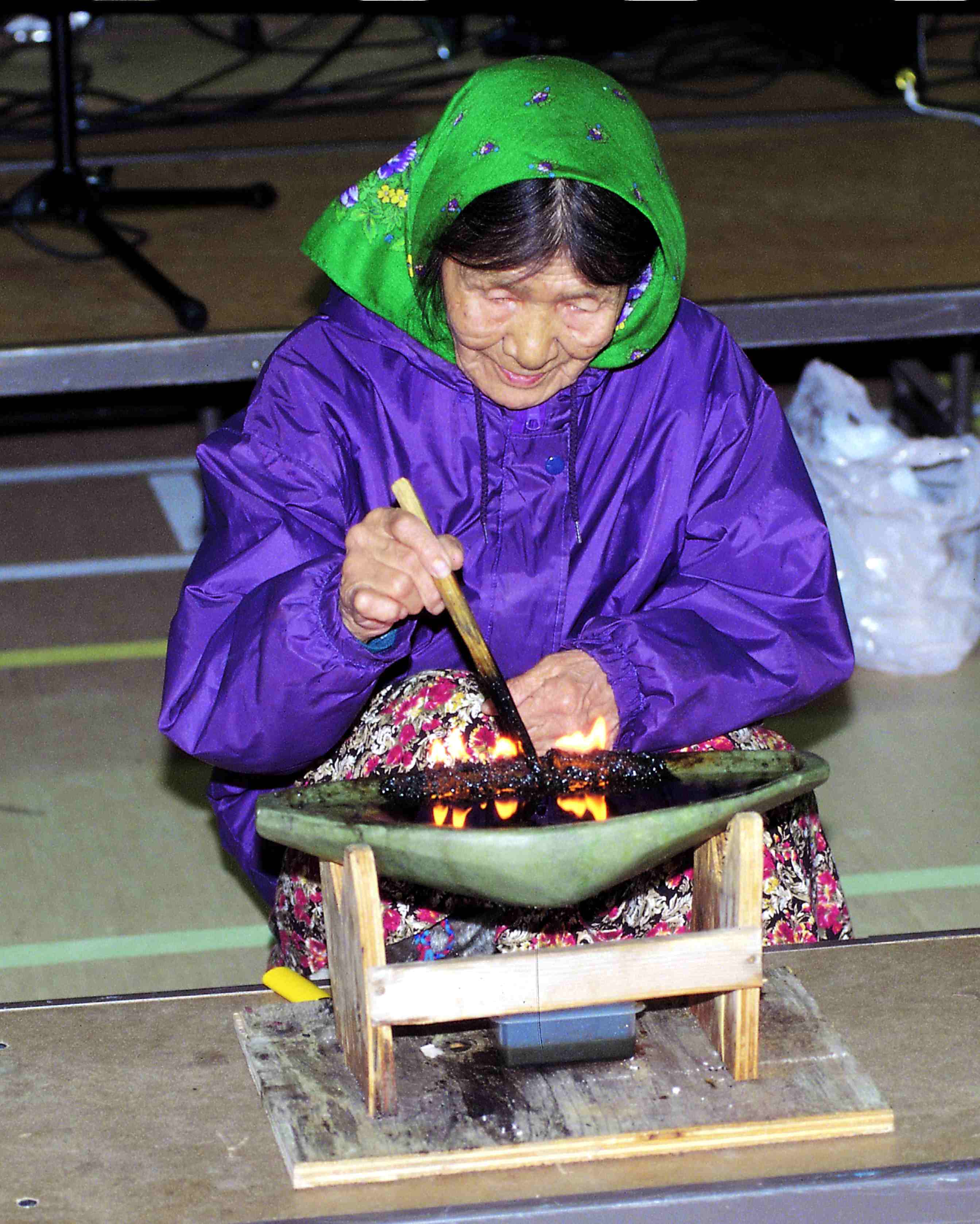
Inuit culture is fundamentally built upon a deep ecological knowledge and a symbiotic relationship with the Arctic environment. Traditional subsistence practices dictated social organization and technological innovation. Tools like the ulu (a woman's knife), kayaks, and umiaks were ingeniously designed for survival and efficiency. Social structures were often fluid, based on kinship and cooperation, with elders holding significant respect for their accumulated wisdom. Spirituality permeated daily life, with beliefs in powerful spirits inhabiting the natural world and the importance of shamans in mediating between the human and spirit realms, often guided by the teachings of Sedna, the sea goddess.
📊 Key Facts & Numbers
The Inuit Circumpolar Council (ICC) represents Inuit across the Arctic. The Nunavut Impact Review Board (NIRB) manages the impact of development on Inuit lands. Traditional Inuit hunting practices continue to be vital.
👥 Key People & Organizations
Key figures in Inuit culture include historical leaders like Aputi, a prominent Inuit chief who interacted with early European explorers. Organizations like Inuit Tapiriit Kanatami (ITK) in Canada, the Inuit Circumpolar Council (ICC) representing Inuit across the Arctic, and Kalaallit Nunaanni Inuusuttut (KNI) in Greenland play crucial roles in advocating for Inuit rights and cultural preservation. The Nunavut Impact Review Board (NIRB) is an example of an organization established to manage the impact of development on Inuit lands.
🌍 Cultural Impact & Influence
Inuit culture has exerted a significant influence on global perceptions of the Arctic and indigenous resilience. Traditional Inuit art, particularly sculpture and printmaking from regions like Cape Dorset (Kinngait), has gained international acclaim, showcasing intricate depictions of wildlife and spiritual themes. Igloos were developed for survival in the Arctic. Furthermore, Inuit knowledge systems, particularly regarding climate change and Arctic ecology, are increasingly recognized as vital for global scientific understanding. The concept of Inuit Qaujimajatuqangit (IQ), or traditional Inuit knowledge, is now being integrated into educational and governmental policies, influencing everything from environmental management to healthcare.
⚡ Current State & Latest Developments
The current state of Inuit culture is one of dynamic adaptation. While traditional languages are spoken by tens of thousands, efforts are underway to revitalize them amidst the dominance of English, Danish, and French. Modern Inuit communities are increasingly engaged in resource development, tourism, and self-governance, balancing economic opportunities with cultural preservation. The Inuit Broadcasting Corporation and APTN (Aboriginal Peoples Television Network) are vital platforms for disseminating Inuit media and culture. Climate change poses a significant threat, altering hunting grounds and traditional ways of life at an unprecedented pace, as documented by organizations like the Arctic Monitoring and Assessment Programme (AMAP).
🤔 Controversies & Debates
Significant controversies surround Inuit culture, primarily stemming from the legacy of colonization and assimilation policies. The forced relocation of Inuit communities, such as the High Arctic relocations, remains a deeply painful chapter. Debates also persist regarding the ethics of resource extraction on Inuit lands, balancing economic benefits with environmental and cultural impacts, as seen in discussions around diamond mining in Nunavut. The use of the term 'Eskimo,' historically applied to Inuit and Yupik peoples, is widely considered pejorative by many Inuit, who prefer their own ethnonyms. The ongoing impacts of residential schools and the child welfare system continue to be subjects of intense scrutiny and calls for reconciliation.
🔮 Future Outlook & Predictions
The future of Inuit culture hinges on continued self-determination and the effective mitigation of climate change. Arctic sea ice is projected to continue declining, necessitating further adaptation in hunting and travel. There is a growing emphasis on Inuit self-governance and the strengthening of Inuit-led institutions to manage lands, resources, and cultural programs. Educational initiatives focused on Inuit language revitalization and the integration of Inuit Qaujimajatuqangit into formal schooling are critical for intergenerational knowledge transfer. The potential for increased Arctic shipping and resource development presents both opportunities and challenges for Inuit communities, requiring careful navigation and strong advocacy.
💡 Practical Applications
Practical applications of Inuit culture are increasingly recognized in fields beyond traditional subsistence. Inuit Qaujimajatuqangit (IQ) offers invaluable insights into sustainable living, environmental monitoring, and disaster preparedness, particularly relevant in the context of climate change. Inuit art continues to be a significant economic driver and a powerful medium for cultural expression and education. Traditional knowledge about Arctic navigation, survival techniques, and wildlife management is being consulted by researchers and policymakers. Furthermore, Inuit approaches to community well-being and social cohesion offer models for resilience in diverse global contexts.
Key Facts
- Category
- culture
- Type
- topic