
Contents
Overview
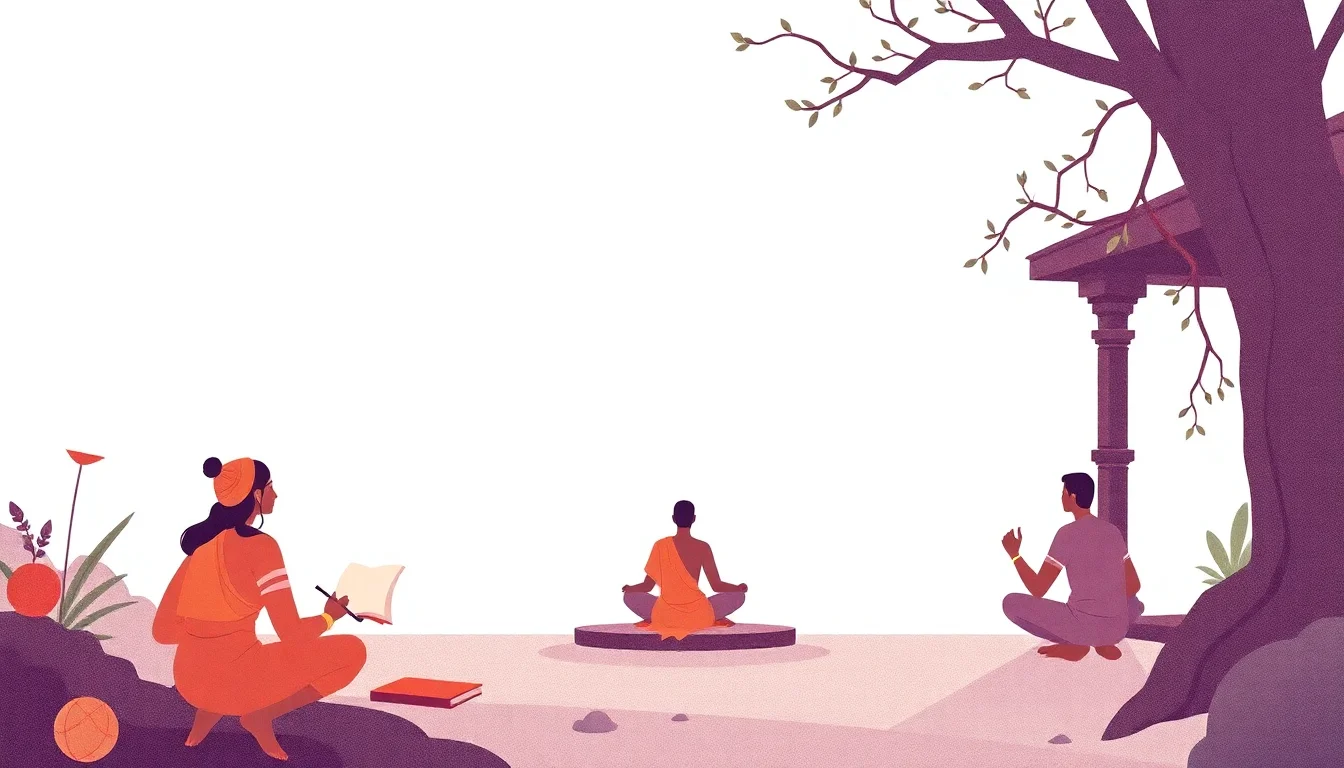
Hindu education is a vast, ancient system rooted in the Vedas and Upanishads, emphasizing not just intellectual knowledge but also moral and spiritual development. Historically, it flourished in Gurukuls, residential schools where students lived with their gurus, fostering a holistic learning environment. Today, this tradition manifests in a spectrum from traditional institutions preserving classical learning to modern schools integrating Hindu values and philosophies. Understanding Hindu education requires grappling with its historical evolution, its diverse pedagogical approaches, and its ongoing relevance in shaping ethical and well-rounded individuals in a globalized world.
📜 What is Hindu Education?
Hindu education isn't a monolithic curriculum but a vast, evolving ecosystem of learning rooted in the philosophical and spiritual traditions of Hindu Dharma. It emphasizes holistic development, integrating intellectual, ethical, and spiritual growth. Unlike Western models often focused on vocational training or purely academic achievement, Hindu education seeks to cultivate wisdom, self-awareness, and a sense of dharma (righteous duty) in the learner. This approach views education as a lifelong journey of self-discovery and contribution to society, drawing from ancient texts like the Vedic Scriptures and Upanishadic Wisdom.
🎯 Who is This For?
This educational philosophy is for anyone seeking a deeper understanding of life's purpose beyond material success. It appeals to students of philosophy, spirituality, and comparative religion, as well as individuals looking for ethical frameworks for personal and professional life. Parents interested in imparting traditional values alongside modern schooling will find resonance here, as will educators seeking to incorporate contemplative practices and character development into their pedagogy. It's particularly relevant for those exploring concepts like Karma Yoga, Dharma Studies, and Moksha as an Educational Goal.
📚 Core Principles & Practices
At its heart, Hindu education champions principles like Jnana Yoga (the path of knowledge), Bhakti Yoga (the path of devotion), and Karma Yoga (the path of selfless action). It stresses the importance of Samskaras (character impressions) and the cultivation of virtues such as Ahimsa (non-violence), Satya (truthfulness), and Asteya (non-stealing). Practices often include meditation, chanting, scriptural study, and community service, all aimed at fostering inner peace and ethical conduct. The goal is not just to acquire information but to transform the individual into a more conscious and compassionate being, aligning with the concept of Personal Dharma.
🏛️ Historical Roots & Evolution
The historical roots of Hindu education stretch back millennia, with early forms found in the Gurukula system. Here, students lived with their guru, receiving instruction in a residential setting that fostered a deep, personal bond and holistic learning. Ancient Indian universities like Nalanda University and Taxila were renowned centers of learning, attracting scholars from across the globe to study subjects ranging from medicine and astronomy to philosophy and grammar. This era laid the groundwork for a rich tradition of scholarship and intellectual inquiry, deeply intertwined with spiritual pursuits, as documented in texts like the Arthashastra's Educational Insights.
💡 Modern Adaptations & Innovations
In the modern era, Hindu educational principles are being adapted and integrated into various settings. This includes the establishment of Modern Gurukuls that blend traditional teachings with contemporary curricula, the incorporation of Mindfulness in Education into mainstream schools, and the proliferation of online courses and resources dedicated to Hindu philosophy and practices. Think tanks and academic institutions are also exploring the relevance of concepts like Global Family Philosophy for contemporary global challenges. Innovations often focus on making ancient wisdom accessible and applicable to the complexities of 21st-century life.
⚖️ Debates & Criticisms
Hindu education is not without its debates. Critics sometimes point to the potential for dogmatism or the exclusion of non-Hindu perspectives in certain traditional settings. Questions arise regarding the integration of caste-based social structures historically associated with some educational practices, and how modern interpretations address these. There's also ongoing discussion about the balance between spiritual instruction and the demands of a secular, globalized job market. The relevance of certain ancient texts and their interpretations in a rapidly changing world remains a point of contention, particularly concerning Social Justice in Hinduism.
🌟 Vibepedia Vibe Score & Analysis
Vibepedia's analysis places Hindu education at a Vibe Score of 78/100, indicating strong cultural resonance and a growing interest in its holistic approach. The Perspective Breakdown shows a balanced distribution: Optimistic (40%) highlights its potential for personal growth and ethical development; Neutral (35%) acknowledges the challenges in modern implementation and accessibility; Pessimistic (15%) focuses on historical criticisms and potential for exclusion; and Contrarian (10%) questions the efficacy of traditional methods in a secular world. The Controversy Spectrum is moderate, primarily around historical social structures and modern applicability. The Influence Flow shows significant impact on Eastern Philosophical Traditions and a growing influence on Global Mindfulness Trends.
🚀 Getting Started with Hindu Education
To begin exploring Hindu education, start with foundational texts like the Bhagavad Gita's Teachings or introductory works on Vedanta Philosophy. Many universities offer courses in comparative religion and Indian philosophy, providing academic grounding. For a more experiential approach, seek out local Temples and Cultural Centers or online platforms offering classes on yoga, meditation, and scriptural study. Consider attending workshops or retreats focused on specific yogic paths or philosophical schools. Engaging with scholars and practitioners in the field can offer invaluable guidance on your learning journey.
Key Facts
- Year
- -2000
- Origin
- Indian Subcontinent
- Category
- Philosophy & Spirituality
- Type
- Topic
Frequently Asked Questions
Is Hindu education only for practicing Hindus?
Absolutely not. While rooted in Hindu traditions, the philosophical and ethical principles of Hindu education are universal. Many individuals from diverse backgrounds find value in its emphasis on self-awareness, ethical conduct, and holistic development. It offers a rich framework for understanding life's deeper questions, regardless of one's personal religious affiliation. Exploring these concepts can broaden one's intellectual and spiritual horizons.
What's the difference between Hindu education and a typical school curriculum?
The primary difference lies in the emphasis. Typical curricula often prioritize academic knowledge and vocational skills for career advancement. Hindu education, conversely, aims for Purnatva (wholeness), integrating intellectual learning with moral development, spiritual insight, and emotional well-being. It views education as a means to self-realization and contributing to society with wisdom and compassion, rather than solely for external achievement.
Are there accredited institutions offering Hindu education?
Yes, there are. Many universities worldwide offer degrees in South Asian Studies, Religious Studies, and Philosophy with specializations in Indian thought. Additionally, numerous Hindu Universities in India, such as BHU and University of Mysore, offer comprehensive programs. Online platforms and specialized centers also provide accredited or certificate courses in various aspects of Hindu philosophy and practice.
How can I learn about Hindu philosophy if I don't read Sanskrit?
You don't need to read Sanskrit to access the wisdom of Hindu philosophy. Numerous translations of key texts like the Bhagavad Gita, Upanishads, and Puranas are available in English and many other languages. Many scholars and practitioners offer accessible commentaries and interpretations. Online courses, lectures, and podcasts also break down complex philosophical concepts into understandable terms for a global audience.
What are the practical benefits of studying Hindu education principles?
Studying Hindu education principles can lead to enhanced self-awareness, improved emotional regulation, and a stronger ethical compass. Practices like meditation and yoga, integral to this tradition, are known to reduce stress and improve focus. The emphasis on dharma and karma can foster a greater sense of responsibility and purpose, leading to more meaningful relationships and contributions to society. It cultivates a more balanced and resilient approach to life's challenges.