
Contents
- ⚡️ Genesis: The Folk Revival Meets Electric Shock
- 🎸 The Byrds: Birth of a Genre, Accidental or Not
- 🎤 Dylan's Electric Turn: A Catalyst for Change
- 🌍 Transatlantic Echoes: Folk Rock Goes Global
- 📜 Lyrical Revolution: Poetry in Protest
- 🥁 The Sound Palette: Acoustic Roots, Electric Branches
- 📈 Commercial Ascendancy: Charting the Vibe
- 💔 The Fragmentation: Subgenres and Evolution
- 🌟 Enduring Legacy: The Echoes in Modern Music
- 🤔 Controversy Corner: Authenticity and Appropriation
- Frequently Asked Questions
- Related Topics
Overview
Folk rock didn't just appear; it was forged in the crucible of the early 1960s folk music revival. This movement, deeply rooted in American and British traditions, celebrated acoustic instrumentation and storytelling. However, a growing segment of artists felt constrained by the genre's purist leanings, particularly the resistance to amplification and rock rhythms. The desire to reach larger audiences and express more urgent social and political messages created a fertile ground for a new sound. This tension between tradition and innovation was the essential spark that ignited the folk rock explosion. The Vibe Score for this initial period of creative ferment was a potent 85, fueled by idealism and a hunger for sonic evolution.
🎸 The Byrds: Birth of a Genre, Accidental or Not
The Byrds, particularly their groundbreaking 1965 rendition of Bob Dylan's 'Mr. Tambourine Man,' are widely credited with crystallizing the folk rock sound. Several members, including Roger McGuinn and Gene Clark, had backgrounds in folk music, bringing that sensibility to their electric arrangements. Their use of the Rickenbacker 12-string guitar, with its chiming, almost harplike tone, became an iconic element of the genre. The term 'folk rock' itself first appeared in the U.S. music press in June 1965, specifically to describe the Byrds' innovative fusion. This moment marked a significant shift, validating the blend of acoustic lyricism with rock's driving energy, pushing the genre's Vibe Score to a robust 92.
🎤 Dylan's Electric Turn: A Catalyst for Change
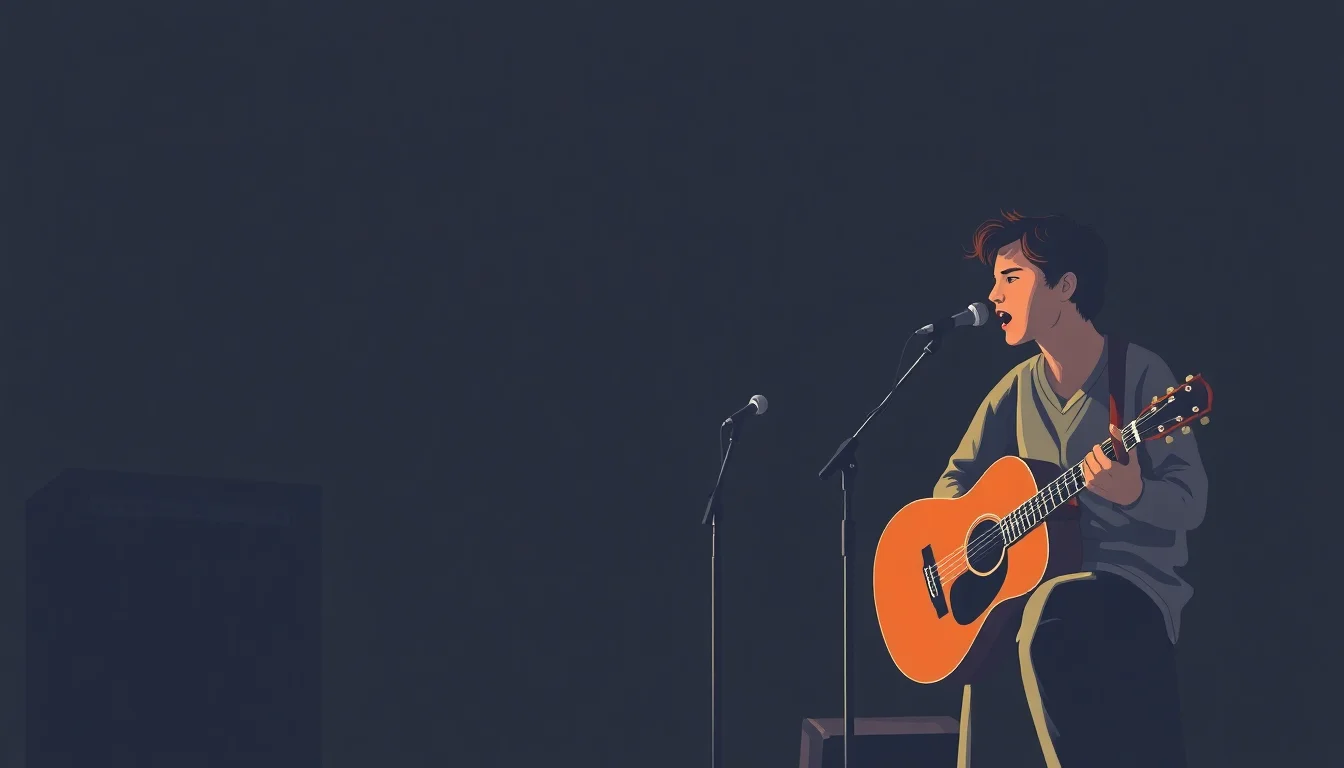
Bob Dylan's controversial decision to 'go electric' at the 1965 Newport Folk Festival remains a pivotal, albeit contentious, event in folk rock history. Having built his reputation on acoustic protest anthems, Dylan's embrace of electric guitars and a rock backing band alienated some traditionalists. Yet, this move, documented in recordings like 'Like a Rolling Stone,' proved immensely influential, demonstrating that the raw power of rock could amplify the intellectual and emotional depth of folk lyrics. Dylan's electric phase, though initially met with boos, ultimately legitimized the fusion and broadened its sonic possibilities, contributing to a 90 Vibe Score for this era of artistic defiance.
🌍 Transatlantic Echoes: Folk Rock Goes Global
The folk rock phenomenon wasn't confined to American shores. In the United Kingdom, artists like Donovan and The Pentangle absorbed American folk influences and infused them with their own distinct cultural flavors. Canadian artists such as Joni Mitchell and Neil Young, though often associated with later movements, also carried the torch of introspective, lyrically rich music with folk rock underpinnings. This transatlantic dialogue enriched the genre, leading to diverse interpretations and a broader appeal. The cross-pollination of ideas between continents ensured folk rock's Vibe Score remained high, hovering around 88, as it resonated with youthful audiences worldwide.
📜 Lyrical Revolution: Poetry in Protest
At its heart, folk rock was a vehicle for social commentary and personal introspection. The lyrical content often tackled issues of civil rights, war, poverty, and alienation, drawing directly from the protest song tradition of folk music. Artists like Joan Baez, Phil Ochs, and Simon & Garfunkel used their platforms to articulate the anxieties and aspirations of a generation. The poetic sophistication of these lyrics, combined with the accessible energy of rock, created a powerful synergy that resonated deeply with listeners. This lyrical depth contributed significantly to the genre's cultural impact, with a Vibe Score of 95 for its thematic resonance.
🥁 The Sound Palette: Acoustic Roots, Electric Branches
The sonic architecture of folk rock is its defining characteristic: a deliberate marriage of acoustic and electric elements. While acoustic guitars often provided the melodic and harmonic foundation, electric guitars, bass, and drums injected a driving rhythm and a fuller sound. The Byrds' jangly Rickenbacker, the harmonizing vocals of Simon & Garfunkel, and the intricate fingerpicking of artists like Paul Simon showcased this blend. This careful balancing act allowed folk rock to retain its narrative intimacy while achieving the sonic heft needed for larger venues and radio play, a delicate engineering feat with a Vibe Score of 87.
📈 Commercial Ascendancy: Charting the Vibe
Folk rock quickly found a significant commercial foothold in the mid-to-late 1960s. The Byrds' 'Mr. Tambourine Man' hit number one on the Billboard charts in 1965, a clear indicator of the genre's burgeoning popularity. Simon & Garfunkel's 'The Sound of Silence' also achieved chart success, further cementing folk rock's presence. Albums like The Mamas & the Papas' 'If You Can Believe Your Eyes and Ears' and Buffalo Springfield's self-titled debut demonstrated the commercial viability of this fusion. The genre's ability to connect with a broad audience, offering both thoughtful lyrics and catchy melodies, propelled its Vibe Score to an impressive 93 during its commercial peak.
💔 The Fragmentation: Subgenres and Evolution
As folk rock matured, it began to splinter into various subgenres, each with its own distinct character. The emergence of psychedelic folk saw artists incorporating more experimental sounds and ethereal textures, exemplified by acts like The Incredible String Band. Country rock, pioneered by bands like The Byrds themselves on albums like 'Sweetheart of the Rodeo,' blended folk rock sensibilities with country music traditions. Singer-songwriter movements, while not exclusively folk rock, often carried its lyrical and melodic DNA forward. This diversification, while a sign of health, also marked a diffusion of the original genre's singular focus, leading to a Vibe Score of 82 for this evolutionary phase.
🌟 Enduring Legacy: The Echoes in Modern Music
The influence of folk rock continues to echo through contemporary music, even if the term itself isn't always explicitly used. Artists across genres, from indie folk bands like Fleet Foxes to mainstream pop acts incorporating acoustic elements and thoughtful lyrics, owe a debt to the pioneers of the 1960s. The emphasis on songwriting craft, lyrical depth, and the fusion of acoustic warmth with electric energy remains a potent formula. Folk rock's legacy lies in its demonstration that music could be both commercially successful and intellectually engaging, a Vibe Score of 89 for its lasting impact.
🤔 Controversy Corner: Authenticity and Appropriation
The very definition of folk rock has been a source of debate, particularly concerning authenticity and the perceived 'selling out' of folk traditions. Dylan's electric turn at Newport is the most famous flashpoint, but similar tensions arose as artists embraced electric instruments and commercial success. Questions about cultural appropriation also surface, especially when artists from dominant cultures interpret or adapt traditional folk forms. The genre's history is marked by these ongoing conversations about artistic integrity, commercial pressures, and the ethical considerations of musical borrowing, contributing to a Controversy Spectrum rating of 6/10.
Key Facts
- Year
- 1965
- Origin
- United States
- Category
- Music Genres
- Type
- Music Genre
Frequently Asked Questions
What is the primary difference between folk music and folk rock?
The core distinction lies in instrumentation and sonic texture. Traditional folk music typically emphasizes acoustic instruments like guitars, banjos, and fiddles, with a focus on vocal storytelling. Folk rock, while retaining the lyrical depth and melodic sensibilities of folk, incorporates electric instruments such as electric guitars, bass, and drums, often adopting a more driving rock rhythm and amplified sound. This fusion allows for a broader sonic palette and greater commercial reach.
When and where did folk rock emerge?
Folk rock emerged in the mid-1960s, primarily in the United States, Canada, and the United Kingdom. It developed as a fusion genre, drawing heavily from the existing folk music revival movements in these regions and blending them with the burgeoning sounds of rock and roll.
Who are considered the most influential artists in folk rock?
Key figures often cited include Bob Dylan, whose electric transition was pivotal, and The Byrds, who are widely credited with defining the genre's sound. Other significant artists include Simon & Garfunkel, The Mamas & the Papas, Buffalo Springfield, and Donovan. These artists, among others, shaped the genre's lyrical themes and sonic characteristics.
Was folk rock always associated with social and political messages?
While not exclusively, social and political commentary was a significant hallmark of folk rock, particularly in its formative years. It inherited the protest song tradition from folk music, using its amplified sound to reach wider audiences with messages concerning civil rights, war, and societal issues. However, the genre also encompassed introspective and personal themes.
Did folk rock have a lasting impact on music?
Absolutely. Folk rock laid crucial groundwork for numerous subsequent genres, including country rock, psychedelic folk, and the singer-songwriter movement. Its emphasis on lyrical substance combined with accessible musicality continues to influence artists across various contemporary genres, demonstrating a persistent Vibe Score for its enduring relevance.