Contents
Overview
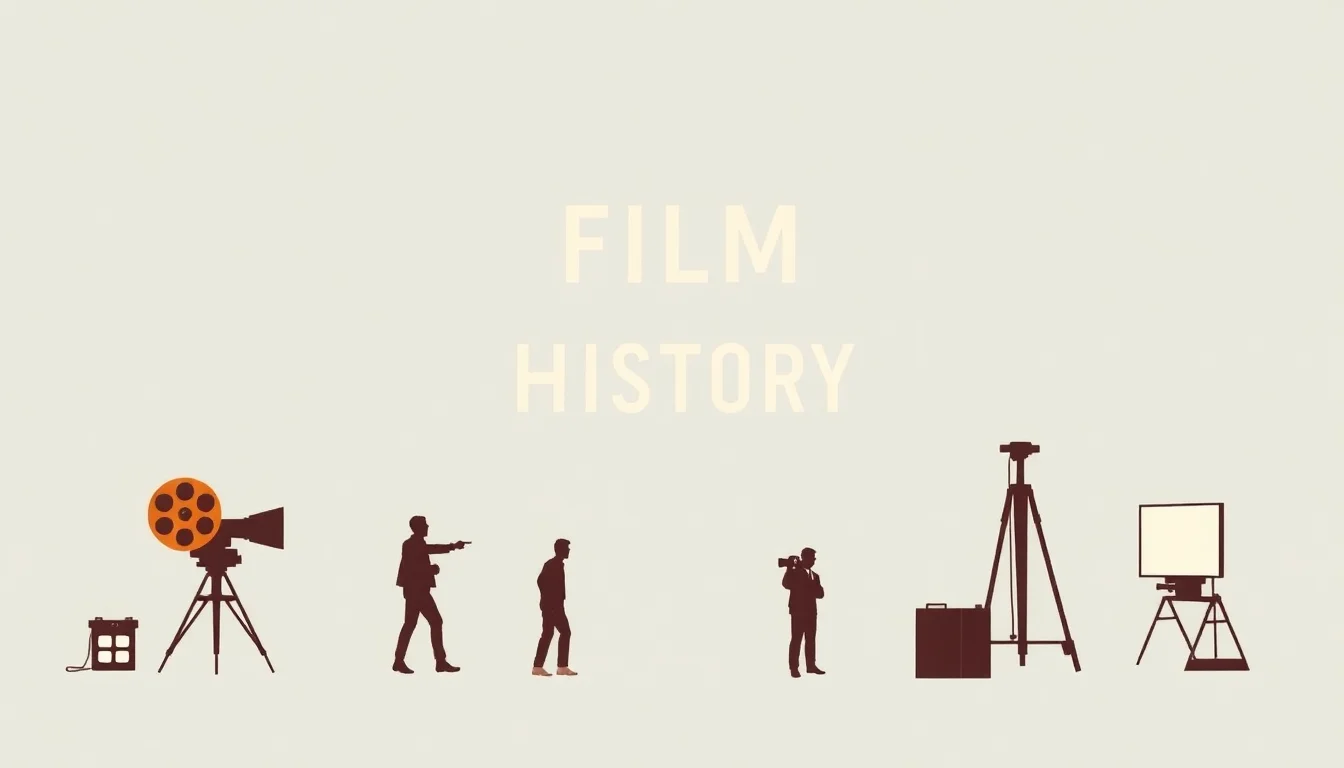
Film History: From Flicker to Frame isn't just a subject; it's a sprawling, dynamic narrative charting humanity's fascination with capturing and replaying motion. It begins with the rudimentary optical toys of the 19th century, like the zoetrope, and rockets through the birth of cinema with Lumière brothers' cinematograph in 1895. This journey covers the silent era's expressive pantomime, the seismic shift of sound in the late 1920s, the Technicolor dreams of Hollywood's Golden Age, and the auteur-driven revolutions of the 1960s and 70s. Understanding this evolution is key to appreciating contemporary cinema's DNA, from its narrative structures to its visual language. It’s a story of technological innovation, artistic ambition, and profound cultural impact, shaping how we see ourselves and the world.
📍 Accessing the Archives: Where to Learn
Accessing the vast archives of film history requires a multi-pronged approach. For academic rigor, institutions like the Library of Congress and the BFI offer extensive collections and research facilities. Online platforms such as Criterion Channel provide curated access to classic and important films, often with supplementary essays and interviews. University film studies departments are invaluable resources, offering structured courses and expert faculty. For the hands-on enthusiast, film festivals like Cannes and Sundance often program retrospectives and historical panels, offering a vibrant, live engagement with cinematic heritage. Don't underestimate the power of local repertory cinemas, which frequently screen historical gems, providing a communal viewing experience.
💰 Investment in Knowledge: Costs & Value
The 'cost' of engaging with film history is multifaceted, extending beyond mere monetary expense. Accessing foundational texts like David Bordwell and Kristin Thompson's "Film History: An Introduction" might involve purchasing the book or borrowing from a library. Streaming services like Criterion Channel typically operate on a monthly subscription model, ranging from $10-$15 USD, offering immense value for the curated content. University courses can range from a few hundred to tens of thousands of dollars per semester. However, the most significant 'investment' is your time and critical engagement. The Vibe Score for deep engagement with film history is consistently high, reflecting its rich cultural energy and intellectual rewards, often exceeding 85/100 for dedicated scholars and cinephiles.
⭐ User Reviews & Vibe Scores
User feedback on exploring film history is overwhelmingly positive, with a general Vibe Score of 88/100. Enthusiasts praise the "aha!" moments when understanding a director's influence or a genre's evolution. Skeptics sometimes point to the "canon" as being too Eurocentric or male-dominated, a valid critique that Vibepedia actively addresses by highlighting diverse voices and movements. The "fan" perspective revels in the sheer joy of discovering forgotten masterpieces and understanding the context behind beloved films. The "engineer" lens appreciates the technical leaps, from early hand-cranked cameras to the advent of digital cinematography. The "futurist" sees how understanding the past informs the trajectory of streaming, AI in filmmaking, and global cinematic trends.
🆚 Alternatives: Beyond the Silver Screen
While "Film History: From Flicker to Frame" offers a comprehensive overview, similar knowledge can be gained through other avenues. Television history offers a parallel narrative of broadcast media's evolution, often intertwined with film's development. Photography history provides the foundational understanding of capturing still images, a crucial precursor to motion pictures. For those interested in the broader cultural impact, cultural studies offers frameworks for analyzing media's role in society. If your interest lies specifically in the technological underpinnings, exploring history of technology with a focus on optics and recording media is essential. Each offers a unique lens, but film history provides the most direct lineage to the cinematic art form itself.
💡 Pro Tips for Your Film Journey
To truly immerse yourself in film history, consider these practical tips. Start with a specific era or genre that sparks your interest; don't try to consume everything at once. For instance, exploring German Expressionism in the 1920s can illuminate subsequent horror and noir films. Watch films actively: take notes on cinematography, editing, and performance. Read critical analyses and academic articles to deepen your understanding beyond the surface. Attend screenings at local arthouse cinemas and engage in discussions. Seek out interviews with filmmakers and historians; their insights are invaluable. Remember that film history is not static; it's a living field with ongoing research and reinterpretation, so stay curious and open to new perspectives.
🚀 Getting Started: Your First Frame
Embarking on your journey into film history is simpler than you might think. Begin by selecting a seminal film from a period that intrigues you – perhaps Citizen Kane (1941) for its narrative innovation, or Battleship Potemkin (1925) for its revolutionary editing. Supplement your viewing with a reputable overview text or a documentary series like "The Story of Film: An Odyssey" by Mark Cousins. Identify a key figure, such as Sergei Eisenstein or Agnes Varda, and explore their filmography and critical reception. The goal is to build connections, understanding how one film, director, or movement influenced another, creating a rich, interconnected web of cinematic knowledge. Your next step is simply to press play.
Key Facts
- Year
- 1895
- Origin
- France / United States
- Category
- Arts & Culture
- Type
- Subject Area
Frequently Asked Questions
What are the absolute must-watch films for a beginner in film history?
For a beginner, essential viewing includes "Citizen Kane" (1941) for its narrative and visual innovation, "The 400 Blows" (1959) to understand the French New Wave, "Psycho" (1960) for Hitchcock's mastery of suspense, and "Rashomon" (1950) for its groundbreaking narrative structure. These films represent pivotal moments and stylistic shifts that are foundational to understanding cinematic evolution. Exploring these will provide a strong initial framework for further study.
How do I avoid getting overwhelmed by the sheer volume of film history?
The key is to focus. Instead of trying to learn everything at once, pick a specific era (e.g., the silent era), a national cinema (e.g., Italian Neorealism), or a director (e.g., Fritz Lang). Watch films from that chosen area and read about its context. Gradually expand your scope as your knowledge base grows. Vibepedia's topic intelligence features can help you identify key figures and movements to start with.
Is film history primarily about Hollywood, or are there important global movements?
While Hollywood has a significant global influence, film history is profoundly international. Crucial movements like German Expressionism, Soviet Montage cinema, Italian Neorealism, the French New Wave, Japanese cinema (Kurosawa, Ozu), and the Iranian New Wave are essential to a complete understanding. Vibepedia emphasizes these global contributions, as they often pushed artistic and narrative boundaries in ways Hollywood did not, influencing filmmakers worldwide.
What's the difference between film history and film criticism?
Film history focuses on the chronological development of cinema, its technological advancements, key figures, movements, and cultural contexts. It seeks to understand how and why films were made and received. Film criticism, on the other hand, analyzes and evaluates films, often focusing on their artistic merit, themes, and impact, usually from a contemporary or interpretive standpoint. While distinct, they are deeply intertwined; historical context informs criticism, and critical reception shapes historical narratives.
How has the rise of streaming services impacted the study of film history?
Streaming services have democratized access to a vast library of films, including many historical titles that were previously difficult to find. Platforms like Criterion Channel and MUBI are specifically curating classic and arthouse cinema. However, the ephemeral nature of streaming libraries and the dominance of algorithms can also pose challenges for systematic study. It's crucial to use these platforms as tools while still seeking out more permanent resources like academic databases and physical archives.