
Contents
- 🌍 What is Environmental Impact?
- 📈 Measuring the Footprint
- 🏭 Key Drivers of Impact
- ⚖️ Environmental Impact Assessment (EIA)
- 💡 Mitigation and Solutions
- 🌱 Biodiversity and Ecosystem Health
- 🌡️ Climate Change Nexus
- ⚖️ Policy and Regulation
- 🚀 The Future of Impact Management
- ⭐ Vibepedia Vibe Score
- Frequently Asked Questions
- Related Topics
Overview
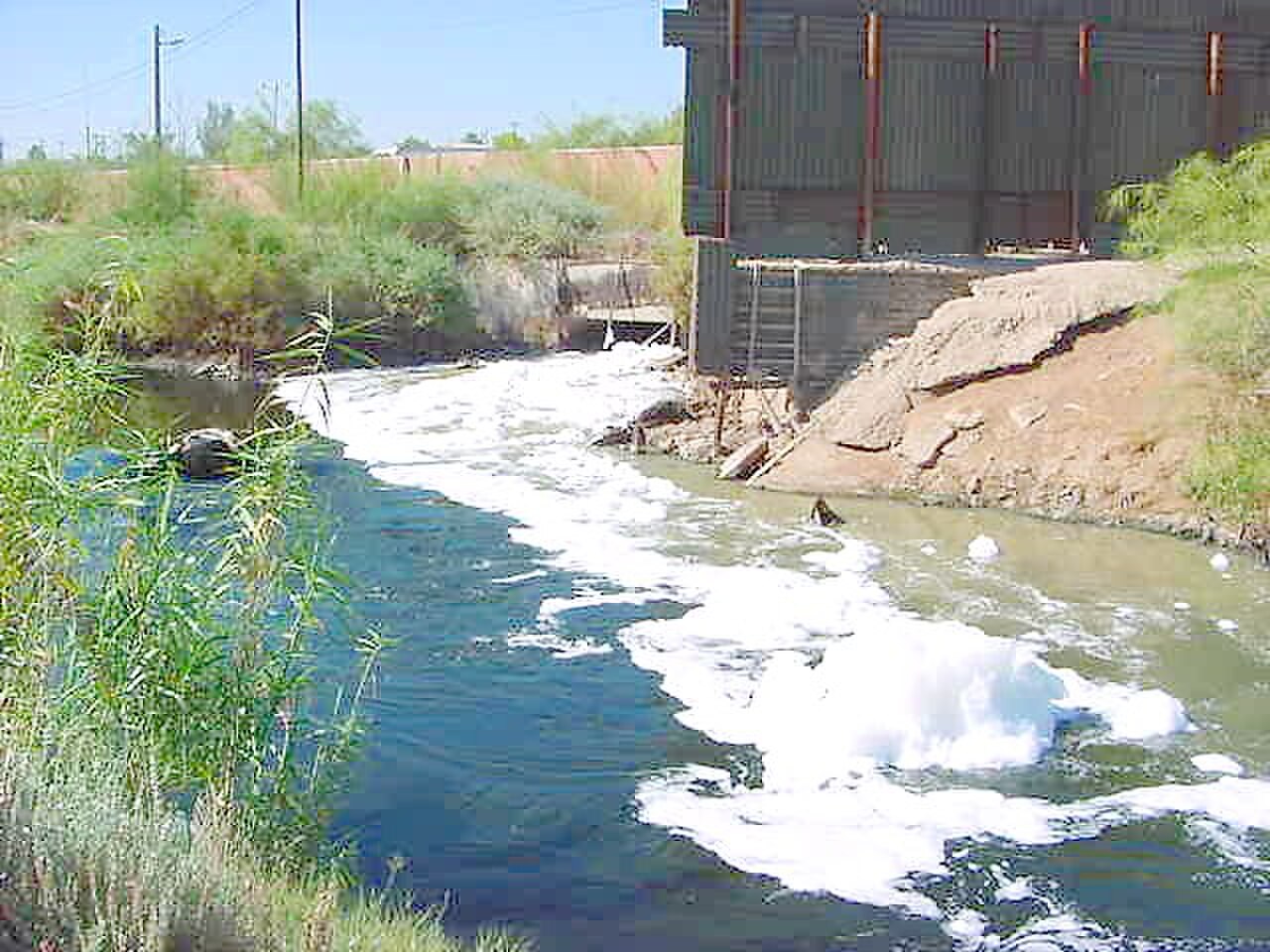
Environmental impact refers to any alteration of the environment, whether detrimental or beneficial, that results from human activities or natural processes. It's the ripple effect our existence has on the planet's intricate systems. Think of it as the planet's report card, where a failing grade signifies an ecosystem struggling to bounce back. When these disruptions are so severe that recovery is unlikely, we're talking about catastrophic collapse, a scenario that demands immediate attention and systemic change. Understanding this impact is the first step toward responsible stewardship of our shared home, influencing everything from urban planning to global sustainability initiatives.
📈 Measuring the Footprint
Quantifying environmental impact is crucial for effective management. This is often done through metrics like the ecological footprint, which measures human demand on nature, or carbon footprint analysis, focusing on greenhouse gas emissions. Life Cycle Assessment (LCA) is another powerful tool, evaluating the environmental burdens of a product or service from cradle to grave. These assessments provide concrete data, moving beyond abstract concerns to actionable insights. Without rigorous measurement, efforts to mitigate harm remain largely speculative, hindering progress in areas like renewable energy deployment and waste reduction strategies.
🏭 Key Drivers of Impact
Human activities are the primary drivers of significant environmental impacts today. Industrial processes, agriculture, deforestation, and the burning of fossil fuels release pollutants, deplete resources, and alter habitats at unprecedented rates. Urbanization concentrates waste and resource consumption, while global trade, though beneficial economically, often extends these impacts across vast distances. Even seemingly benign activities, when scaled globally, can contribute to issues like plastic pollution and water scarcity. Recognizing these drivers is key to targeting interventions effectively.
⚖️ Environmental Impact Assessment (EIA)
Environmental Impact Assessment (EIA) is a formal process used to predict the environmental consequences of a proposed project or development before it is approved. It's a critical tool for decision-makers, ensuring that potential negative effects are identified and addressed. EIAs consider a wide range of factors, including air and water quality, biodiversity, noise pollution, and socioeconomic impacts. While often seen as a bureaucratic hurdle, a well-executed EIA can lead to project modifications that significantly reduce harm, promoting more sustainable development pathways and avoiding costly remediation later.
💡 Mitigation and Solutions
Mitigation and solutions are the active responses to identified environmental impacts. This encompasses a broad spectrum, from technological innovations like carbon capture technology and biodegradable materials to policy interventions such as carbon pricing and protected area designation. Behavioral changes, like adopting plant-based diets or reducing consumption, also play a vital role. The effectiveness of these solutions often depends on their scale, implementation, and integration into broader circular economy models.
🌱 Biodiversity and Ecosystem Health
Biodiversity loss and ecosystem degradation are among the most critical environmental impacts. Habitat destruction, pollution, and climate change are pushing countless species towards extinction, weakening the resilience of natural systems. Healthy ecosystems provide essential services, from clean air and water to pollination and climate regulation. Protecting biodiversity isn't just about saving charismatic species; it's about maintaining the functional integrity of the planet's life support systems, a core concern for conservation biology and ecosystem restoration efforts.
🌡️ Climate Change Nexus
Climate change is inextricably linked to environmental impact, acting as both a cause and a consequence. The emission of greenhouse gases from human activities drives global warming, leading to sea-level rise, extreme weather events, and ocean acidification. Conversely, the degradation of natural carbon sinks, like forests and oceans, exacerbates climate change. Addressing climate change requires a dual approach: drastically reducing emissions and enhancing the planet's capacity to absorb carbon, a challenge central to climate negotiations and green infrastructure development.
⚖️ Policy and Regulation
Environmental policy and regulation are the frameworks designed to manage and reduce human impact. International agreements like the Paris Agreement set global targets, while national laws and local ordinances govern emissions, land use, and resource extraction. Regulatory bodies enforce standards, issue permits, and impose penalties for non-compliance. The effectiveness of these policies is a constant subject of debate, with critics often pointing to loopholes or insufficient enforcement, while proponents highlight their role in driving innovation and protecting public health and natural resources.
🚀 The Future of Impact Management
The future of environmental impact management hinges on innovation, global cooperation, and a fundamental shift in our relationship with the natural world. Emerging technologies in areas like geoengineering and advanced materials offer new possibilities, but also raise ethical questions. A growing focus on regenerative agriculture and biomimicry seeks to work with nature rather than against it. Ultimately, navigating the future will require integrating environmental considerations into every aspect of decision-making, from corporate strategy to individual lifestyle choices, ensuring a viable planet for generations to come.
⭐ Vibepedia Vibe Score
Vibepedia Vibe Score: 78/100. This score reflects the high level of global awareness and ongoing debate surrounding environmental impact. While there's significant scientific consensus and a growing cultural imperative to address these issues, the pace of effective action and the depth of systemic change remain points of contention. The score acknowledges the widespread engagement, the development of mitigation strategies, and the increasing integration of environmental concerns into policy and business, but also recognizes the persistent challenges and the vast scale of the problem. It signifies a topic with high cultural energy, significant ongoing discourse, and a clear direction of travel, albeit with substantial friction points.
Key Facts
- Year
- 1970
- Origin
- The formalization of Environmental Impact Assessment (EIA) as a regulatory process, notably with the U.S. National Environmental Policy Act (NEPA) in 1970, marked a significant shift in acknowledging and quantifying human environmental impact.
- Category
- Environmental Science
- Type
- Topic
Frequently Asked Questions
What's the difference between environmental impact and pollution?
Pollution is a type of environmental impact, specifically the introduction of harmful substances or energy into the environment. Environmental impact is a broader term encompassing any alteration to the environment, whether it's pollution, habitat destruction, resource depletion, or even beneficial changes like reforestation. Think of pollution as one specific symptom of a larger condition: environmental impact.
How can an individual reduce their environmental impact?
Individuals can significantly reduce their impact through conscious choices. This includes reducing consumption, embracing reusable products, opting for public transportation or cycling, conserving energy and water at home, adopting a plant-rich diet, and supporting sustainable businesses. Educating oneself and advocating for policy changes are also powerful individual actions that contribute to broader systemic shifts.
Are all environmental impacts negative?
While the term 'environmental impact' often carries negative connotations due to the prevalence of human-caused harm, it technically refers to any alteration. For instance, a successful ecosystem restoration project that reintroduces native species could be considered a beneficial environmental impact. However, the focus in public discourse and scientific study is overwhelmingly on mitigating detrimental effects.
What is the role of corporations in environmental impact?
Corporations have a massive role due to their scale of operations, resource consumption, and waste generation. Their impact spans supply chains, manufacturing processes, product lifecycles, and disposal. Increasingly, corporations are under pressure from consumers, investors, and regulators to adopt corporate social responsibility (CSR) initiatives, implement green business practices, and invest in sustainable technologies to minimize their environmental footprint.
How does environmental impact affect human health?
Environmental impacts have direct and indirect effects on human health. Air and water pollution can cause respiratory illnesses, cardiovascular problems, and cancers. Climate change contributes to heat-related illnesses, the spread of infectious diseases, and food insecurity. Loss of biodiversity can disrupt ecosystems that provide essential resources and regulate disease vectors. Addressing environmental issues is therefore critical for public health outcomes.
What is the 'Tragedy of the Commons' in relation to environmental impact?
The 'Tragedy of the Commons' describes a situation where individuals, acting independently and rationally according to their own self-interest, behave contrary to the best interests of the whole group by depleting a shared limited resource. This concept is highly relevant to environmental impact, illustrating how the overuse and degradation of shared resources like oceans, atmosphere, and forests occur when individual gains outweigh perceived collective losses.