
Contents
- ⚓ Overview: The Sailing Capital of the World
- 📍 Location & Access: Getting to the Solent's Heart
- ⛵ What to Do: Beyond the Regatta
- 🍽️ Where to Eat & Drink: Fueling Your Maritime Adventures
- 🏨 Where to Stay: From Historic Inns to Modern Stays
- 💰 Pricing & Plans: Budgeting Your Cowes Escape
- ⭐ What People Say: The Vibe of Cowes
- 💡 Practical Tips for Your Visit
- Frequently Asked Questions
- Related Topics
Overview
Cowes, perched on the northern tip of the Isle of Wight, isn't just another seaside town; it's a global nexus for sailing and maritime culture. Dubbed the 'Sailing Capital of the World,' its identity is inextricably linked to the Solent, the bustling strait separating the island from the mainland. This town pulses with a unique energy, a blend of historical grandeur and contemporary nautical dynamism. Whether you're a seasoned sailor or a curious landlubber, Cowes offers a compelling glimpse into a world where the tide dictates the rhythm of life. Its Vibe Score of 85 reflects its potent cultural energy, largely driven by its international sporting events and rich seafaring heritage.
📍 Location & Access: Getting to the Solent's Heart
Finding Cowes is straightforward, though it requires a ferry crossing, adding to the sense of arrival. The primary access is via Red Funnel or Wightlink ferries from Southampton or Portsmouth to East Cowes. From the ferry terminal in East Cowes, a short taxi ride or a walk across Newport Bridge (or the chain ferry for a more scenic, albeit slower, route) brings you to the heart of Cowes. The town itself is highly walkable, with most attractions clustered around the waterfront and high street. For exploring further afield on the island, local bus services connect Cowes to Newport and other key destinations.
⛵ What to Do: Beyond the Regatta
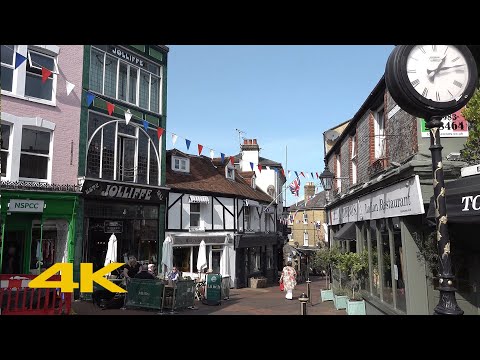
While the Rolex Fastnet Race and Cowes Week are the undeniable crown jewels, Cowes offers more than just world-class regattas. Explore the historic Royal Yacht Squadron or visit the Cowes Maritime Museum to immerse yourself in centuries of seafaring history. For a hands-on experience, consider a sailing lesson or charter a small boat to explore the Solent at your own pace. The town also boasts independent boutiques, art galleries, and a vibrant waterfront promenade perfect for people-watching and soaking in the maritime atmosphere. Don't miss a stroll along the harbour, observing the impressive array of yachts and vessels.
🍽️ Where to Eat & Drink: Fueling Your Maritime Adventures
Cowes caters to a range of palates, from traditional pub fare to more refined dining experiences, often with a maritime twist. For classic fish and chips with a view, try waterfront establishments like The Anchor or The Duke of York. For a more upscale experience, The Boat House offers contemporary cuisine with stunning harbour vistas. Many pubs serve hearty meals, perfect for refueling after a day on the water. Don't overlook the local ice cream parlours and bakeries for sweet treats. The atmosphere in the pubs, particularly during sailing events, is electric, reflecting the town's convivial spirit.
🏨 Where to Stay: From Historic Inns to Modern Stays
Accommodation in Cowes ranges from charming historic inns to modern apartments and guesthouses. The Fountain Hotel, a Grade II listed building, offers a taste of Victorian elegance right on the waterfront. For a more contemporary feel, look for serviced apartments or boutique hotels that have sprung up to cater to the influx of visitors during events. Many B&Bs provide a cozy, personal touch, often run by locals with deep knowledge of the town. Booking well in advance is crucial, especially during peak sailing season and major events like Cowes Week, when demand soars.
💰 Pricing & Plans: Budgeting Your Cowes Escape
Cowes offers a spectrum of costs, largely dependent on the season and proximity to major events. Ferry travel is a significant component, with return adult tickets typically ranging from £20-£30. Accommodation prices can vary wildly; a budget-friendly B&B might start around £70-£100 per night, while a premium waterfront hotel during Cowes Week could easily exceed £300-£500. Dining options are diverse, with a pub meal costing £15-£25, while a two-course dinner at a higher-end restaurant could be £40-£60 per person. Many of the town's core attractions, like walking the harbour, are free.
⭐ What People Say: The Vibe of Cowes
The vibe in Cowes is undeniably nautical, a place where the sea is not just a backdrop but the central character. Visitors often remark on the friendly, albeit sometimes boisterous, atmosphere, especially during regattas. There's a palpable sense of community among sailors and locals alike. The town attracts a diverse crowd, from serious yacht racers to families enjoying a seaside holiday. While some might find the constant focus on sailing a bit niche, most visitors are drawn into the unique energy. The prevailing perspective is optimistic, celebrating the town's enduring maritime legacy and its role on the global sailing stage.
💡 Practical Tips for Your Visit
When planning your visit to Cowes, remember that booking ferry and accommodation well in advance is paramount, particularly between May and September. Pack layers, as the coastal weather can be unpredictable, even in summer. If you're not a sailor, consider a Solent RIB tour for a thrilling way to experience the water. For those interested in the racing scene, check the Cowes Week schedule and consider booking grandstand tickets or finding a good vantage point along the shore. Familiarize yourself with the ferry timetables to East Cowes and the onward connections to Cowes itself.
Key Facts
- Year
- 1856
- Origin
- The name 'Cowes' is believed to derive from the two forts, East Cowes Castle and West Cowes Castle, built in the 16th century to guard the Solent.
- Category
- Coastal Town / Maritime Hub
- Type
- Location
Frequently Asked Questions
What is the best time of year to visit Cowes?
The peak season for sailing events, and thus the most vibrant atmosphere, is during the summer months, particularly July and August, coinciding with major regattas like Cowes Week. However, this also means higher prices and crowds. For a quieter experience with good sailing conditions, consider late spring (May-June) or early autumn (September).
Is Cowes suitable for families?
Absolutely. While known for its sailing, Cowes offers plenty for families. Beyond the maritime attractions, there are beaches nearby, opportunities for boat trips, and the general charm of a seaside town. The Cowes Maritime Museum can be engaging for older children, and simply watching the boats in the harbour is often entertainment enough.
How do I get around Cowes once I'm there?
Cowes is a very walkable town, especially the waterfront and high street areas. For longer distances on the island, local bus services are available. Taxis are also readily accessible from the ferry terminals and around town. If you're keen to explore the Solent, hiring a small boat or joining a guided tour is an option.
What are the main sailing events in Cowes?
The most famous is Cowes Week, one of the largest sailing regattas in the world, held annually in August. Other significant events include the Rolex Fastnet Race, which starts in Cowes, and various RORC (Royal Ocean Racing Club) and Cowes Corinthian Yacht Club races throughout the season. The calendar is packed from spring to autumn.
Are there good dining options for non-sailors?
Yes, Cowes has a diverse culinary scene that extends beyond seafood and pub grub. While many restaurants offer harbour views and cater to the sailing crowd, you'll also find international cuisine and contemporary British fare. The emphasis is generally on fresh, local ingredients, and the atmosphere is often lively.
Can I visit the Royal Yacht Squadron?
The Royal Yacht Squadron is a private club and generally not open to the public for casual visits. However, its iconic castle building is a prominent landmark on the Cowes waterfront, and its presence is central to the town's prestige. You can admire it from the outside and learn about its history at the Cowes Maritime Museum.