
Contents
- 🩺 What is The BMJ?
- 📅 A Legacy of Medical Insight
- 🎯 Who Should Read The BMJ?
- 💡 Key Features & Content
- ⚖️ Editorial Independence: A Crucial Distinction
- 🚀 The BMJ's Digital Evolution
- 💰 Access & Subscription Tiers
- 🆚 BMJ vs. Other Top Medical Journals
- 💡 Practical Tips for Engagement
- 📞 How to Get Started
- Frequently Asked Questions
- Related Topics
Overview
BMJ, formerly the British Medical Journal, stands as a titan in the world of medical publishing, tracing its roots back to 1840. It's not just a journal; it's a platform for rigorous scientific research, critical appraisal of clinical practice, and a vocal advocate for health policy reform. With a global reach, BMJ publishes high-impact original research, reviews, and commentaries that shape clinical decisions and public health strategies worldwide. Its commitment to open access and evidence-based medicine has cemented its reputation as a trusted, indispensable resource for healthcare professionals and researchers.
🩺 What is The BMJ?
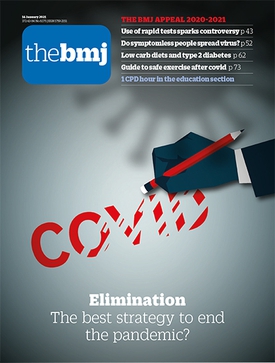
The BMJ, formerly the British Medical Journal, stands as a titan in the realm of medical publishing. Published fortnightly by the BMJ Publishing Group, a subsidiary of the British Medical Association (BMA), it's a peer-reviewed journal delivering high-impact clinical research, commentary, and news. While owned by the BMA, The BMJ operates with strict editorial independence, a critical factor in its enduring credibility. Its historical significance is matched only by its contemporary relevance in shaping medical practice and policy worldwide.
📅 A Legacy of Medical Insight
Tracing its origins back to 1840 as the Provincial Medical and Surgical Journal, and later the British Medical Journal, its evolution reflects the history of modern medicine itself. The title officially shed 'British Medical Journal' in 1988, becoming BMJ, and further refined to The BMJ in 2014. This lineage imbues it with a deep understanding of medical progress, making its archives a rich resource for historical medical research and understanding the trajectory of clinical advancements.
🎯 Who Should Read The BMJ?
The BMJ is indispensable for a broad spectrum of healthcare professionals. Clinicians, from general practitioners to specialists, rely on its research for evidence-based decision-making. Medical researchers find it a premier venue for disseminating their work. Furthermore, policymakers, medical students, and anyone invested in public health and the future of medicine will find its authoritative content invaluable for staying abreast of critical developments and debates.
💡 Key Features & Content
Beyond groundbreaking clinical trials and systematic reviews, The BMJ offers a robust mix of content. Expect insightful editorials, critical comment pieces, and practical clinical updates. It also covers medical news, professional issues, and ethical considerations, providing a comprehensive view of the medical world. Special series, such as those on evidence-based medicine or global health, offer deep dives into specific areas of importance.
⚖️ Editorial Independence: A Crucial Distinction
A cornerstone of The BMJ's reputation is its editorial independence from the British Medical Association (BMA), its parent organization. This separation ensures that published content is driven by scientific merit and clinical relevance, not by the BMA's organizational interests. This autonomy is vital for maintaining reader trust and upholding the journal's commitment to objective medical reporting, a principle that has been fiercely guarded throughout its history.
🚀 The BMJ's Digital Evolution
The BMJ has embraced the digital age with vigor. Its website, bmj.com, offers immediate access to the latest articles, a vast archive, and a wealth of supplementary materials. Beyond the core journal, BMJ Publishing Group manages numerous specialized journals and online resources, including BMJ Best Practice and BMJ Learning, catering to diverse professional needs and enhancing its digital footprint significantly.
💰 Access & Subscription Tiers
Access to The BMJ is primarily through subscription. Individual subscriptions, institutional licenses for hospitals and universities, and student rates are available. While some content, like news and opinion pieces, may be freely accessible, full access to research articles and archives typically requires a paid subscription. Pricing varies based on the type of access and region, with institutional subscriptions often offering the most comprehensive coverage for organizations.
🆚 BMJ vs. Other Top Medical Journals
Compared to other leading medical journals like The Lancet or the New England Journal of Medicine (NEJM), The BMJ often distinguishes itself with a stronger emphasis on primary care, clinical decision-making, and broader professional issues. While all are top-tier, The BMJ's fortnightly publication schedule and its historical roots give it a unique voice, often perceived as more accessible for day-to-day clinical practice than some of its weekly counterparts.
💡 Practical Tips for Engagement
To maximize your engagement with The BMJ, consider setting up personalized alerts for topics of interest. Utilize the advanced search functions to delve into its extensive archives. For students and trainees, explore the educational resources and case reports. Engaging with the commentary sections can also provide valuable insights into current medical debates and perspectives from leading figures in the field.
📞 How to Get Started
Getting started with The BMJ is straightforward. Visit their official website, bmj.com, to explore freely available content and learn about subscription options. You can also follow The BMJ on Twitter for updates and key article highlights. For institutional access, contact their sales department directly to discuss tailored packages for your organization.
Key Facts
- Year
- 1840
- Origin
- London, UK
- Category
- Academic & Professional Publishing
- Type
- Publication/Organization
Frequently Asked Questions
Is The BMJ a reputable medical journal?
Absolutely. The BMJ is one of the world's oldest and most respected general medical journals. It is peer-reviewed and published by a subsidiary of the British Medical Association, with a long-standing commitment to high-quality clinical research and authoritative commentary. Its impact factor and citation rates consistently place it among the top medical publications globally.
What is the difference between BMJ and British Medical Journal?
BMJ is simply the shortened, modern name for the journal formerly known as the British Medical Journal. The title was officially shortened to BMJ in 1988 and later changed to The BMJ in 2014. The content and editorial standards remain consistent with its historical legacy.
Can I access BMJ articles for free?
Some content on bmj.com, such as news, opinion pieces, and certain editorials, may be freely accessible. However, full access to original research articles, systematic reviews, and the full archive typically requires a paid subscription. Various subscription plans are available for individuals and institutions.
Who is the current editor-in-chief of The BMJ?
The current editor-in-chief of The BMJ is Kamran Abbasi. He was appointed to this role in January 2022, continuing the journal's tradition of leadership by experienced medical professionals.
Does The BMJ publish original research?
Yes, a significant portion of The BMJ's content consists of original research. It publishes high-impact clinical trials, observational studies, systematic reviews, and meta-analyses that contribute significantly to the medical evidence base and influence clinical practice.
How often is The BMJ published?
The BMJ is published fortnightly, meaning it releases a new issue every two weeks. This publication schedule allows for timely dissemination of important research and clinical updates while maintaining a rigorous peer-review process.