
Contents
- 🗺️ Geographic Overview & Significance
- 🏛️ Historical Roots & Modern Formations
- ⛽ Energy Nexus & Global Impact
- 🕌 Cultural Tapestry & Religious Heartlands
- 💰 Economic Diversification & Future Visions
- 🌍 Geopolitical Dynamics & Regional Tensions
- 💡 Key Debates & Future Trajectories
- ✈️ Travel & Exploration Tips
- Frequently Asked Questions
- Related Topics
Overview
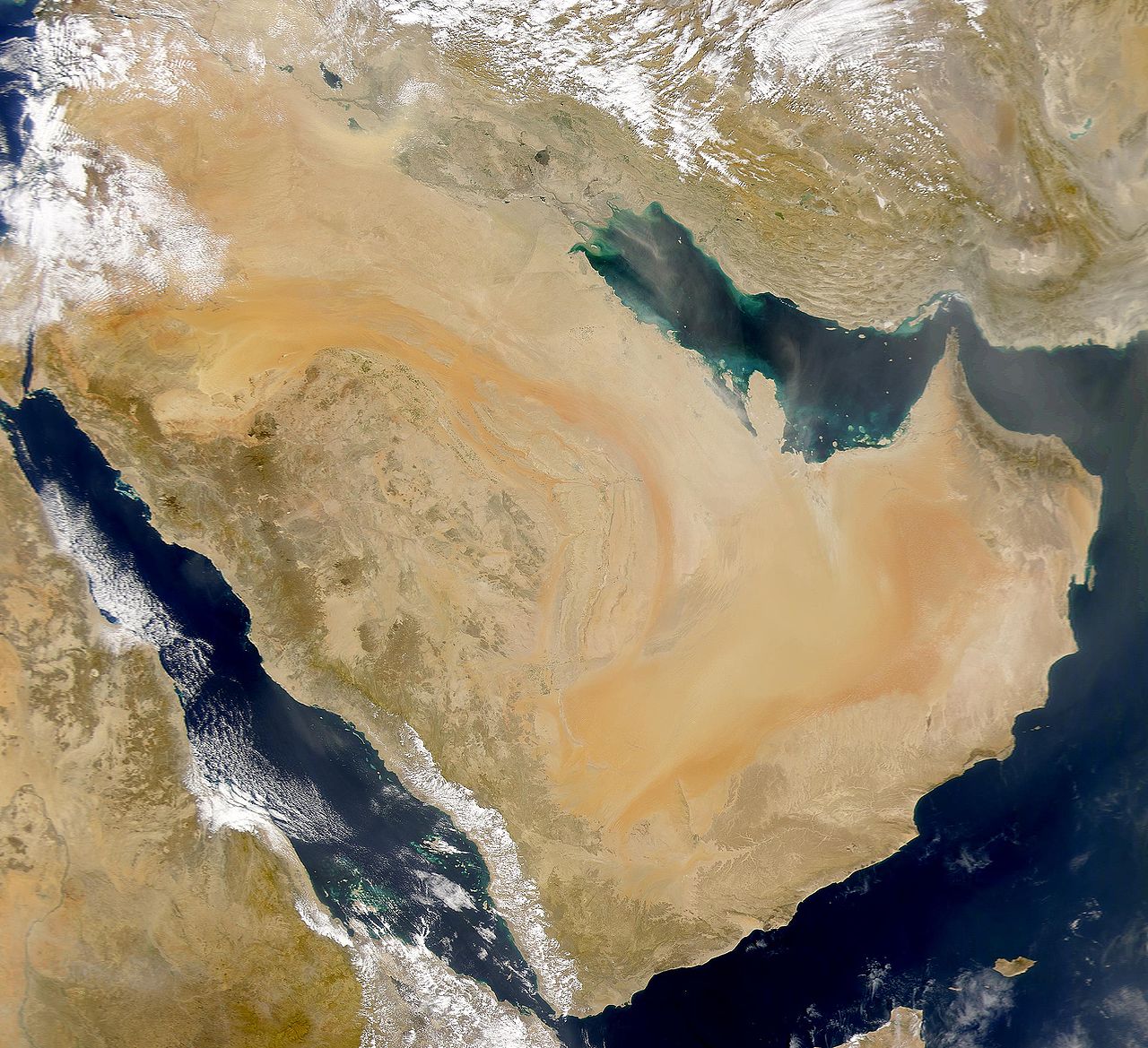
The Arabian Peninsula, a colossal landmass spanning 3.2 million square kilometers, anchors the southwestern corner of Asia. It's not just geographically vast; it's a geological marvel, forming the bulk of the Arabian Plate. This strategic location, bridging Africa and Asia, has historically made it a crucible for trade, migration, and cultural exchange. Its arid expanse, punctuated by mountain ranges and coastal plains, dictates much of its human and economic geography. Understanding the Peninsula means grasping its sheer scale and its pivotal position on global trade routes, a fact underscored by its immense oil and gas reserves.
🏛️ Historical Roots & Modern Formations
The historical narrative of the Arabian Peninsula is deeply intertwined with the rise of Islam in the 7th century CE, emanating from Mecca and Medina. Before that, it was a nexus of ancient trade routes, connecting the Mediterranean world with India and East Africa, fostering civilizations like the Nabataeans in Petra. The modern political map, however, is a product of 20th-century state-building, largely shaped by colonial influences and the discovery of oil. The establishment of Saudi Arabia in 1932, the formation of the United Arab Emirates in 1971, and ongoing conflicts in Yemen illustrate the complex, often turbulent, path to contemporary statehood.
⛽ Energy Nexus & Global Impact
The Peninsula is synonymous with global energy production, holding a significant portion of the world's proven oil and gas reserves. Countries like Saudi Arabia, Kuwait, and the United Arab Emirates are major players in the global energy market, their economies fundamentally structured around hydrocarbon exports. This reliance has fueled immense wealth and rapid development but also exposes the region to volatile global energy prices and increasing pressure for climate change mitigation. The sheer volume of energy produced here, estimated at over 10 million barrels of oil per day by major producers, directly impacts global economic stability and geopolitical power dynamics.
🕌 Cultural Tapestry & Religious Heartlands
As the birthplace of Islam, the Arabian Peninsula is the spiritual heartland for over 1.8 billion Muslims worldwide. The holy cities of Mecca and Medina attract millions of pilgrims annually for the Hajj and Umrah, making religious tourism a significant cultural and economic force. Beyond Islam, the region boasts a rich pre-Islamic history and diverse local traditions, from the seafaring heritage of Oman to the Bedouin nomadic cultures that still persist. The interplay between deep-rooted traditions and rapid modernization creates a unique cultural dynamic, often reflected in art, music, and social customs.
💰 Economic Diversification & Future Visions
While oil remains a dominant economic driver, many Peninsula nations are actively pursuing ambitious diversification strategies. Vision 2030 in Saudi Arabia, for instance, aims to reduce oil dependency by investing in tourism, entertainment, and technology sectors. The Gulf Cooperation Council (GCC) states, in particular, are channeling vast wealth into non-oil industries, aiming to build sustainable economies for the future. This economic pivot is crucial for long-term stability, especially as the global transition towards renewable energy accelerates, potentially diminishing the long-term value of their primary export.
🌍 Geopolitical Dynamics & Regional Tensions
The Arabian Peninsula is a focal point of complex geopolitical currents, influenced by regional rivalries, global power interests, and internal political structures. The relationship between Saudi Arabia and Iran, for example, has been a defining feature of regional politics for decades, manifesting in proxy conflicts and diplomatic tensions. The presence of major global military bases and the strategic importance of maritime chokepoints like the Strait of Hormuz further underscore the region's critical role in international security. The ongoing Yemeni Civil War serves as a stark reminder of the human cost of these geopolitical struggles.
💡 Key Debates & Future Trajectories
A central debate revolves around the region's future in a post-oil world. Can diversification strategies successfully wean economies off hydrocarbon dependence, or will they remain vulnerable to external shocks? Another key discussion concerns the balance between tradition and modernity, particularly regarding social reforms and political freedoms. The influence of external powers, from the United States to China, also shapes regional development and security, creating a dynamic environment where alliances can shift and new challenges emerge.
✈️ Travel & Exploration Tips
For the intrepid traveler, the Arabian Peninsula offers a journey through ancient history, stunning natural landscapes, and vibrant modern metropolises. From the desert dunes of the Rub' al Khali to the coral reefs off the coast of Bahrain, the region presents diverse experiences. Visitors should be mindful of local customs and dress codes, particularly when visiting religious sites. Understanding visa requirements for each country is essential, as regulations can vary significantly. Planning travel around the intense summer heat, which can exceed 50°C (122°F), is also advisable for a more comfortable experience.
Key Facts
- Year
- Prehistory
- Origin
- Geological formation and early human migration
- Category
- Geopolitics & Culture
- Type
- Geographic Region
Frequently Asked Questions
What are the main countries on the Arabian Peninsula?
The primary nations fully or largely situated on the Arabian Peninsula are Saudi Arabia, Yemen, Oman, United Arab Emirates, Qatar, Kuwait, and Bahrain. Additionally, the southern parts of Iraq and Jordan are geographically considered part of the peninsula. These countries collectively form a significant geopolitical and cultural bloc in West Asia.
Why is the Arabian Peninsula so important globally?
Its global importance stems from two primary factors: its immense reserves of oil and natural gas, making it a critical player in the world energy market, and its status as the birthplace of Islam, housing the religion's holiest cities, Mecca and Medina. These elements give the region significant economic and religious influence.
What is the climate like on the Arabian Peninsula?
The climate is predominantly arid to hyper-arid, characterized by extreme heat and very low rainfall. Summers are intensely hot, with temperatures frequently exceeding 40°C (104°F) and often reaching over 50°C (122°F) in interior regions. Coastal areas can be humid, while mountainous regions in Oman and Yemen experience cooler temperatures.
How has the discovery of oil changed the Peninsula?
The discovery and exploitation of oil and gas have fundamentally transformed the Peninsula's economies and societies. It has led to unprecedented wealth, rapid urbanization, massive infrastructure development, and a significant increase in living standards for many. However, it has also created economic dependence on hydrocarbons and fueled rapid social change.
What are the major cultural influences on the Peninsula?
The dominant cultural influence is Islam, which shapes religious practices, social norms, law, and daily life. Pre-Islamic Arab traditions, including Bedouin heritage and ancient trade routes, also play a role. More recently, globalization and the influx of expatriate workers have introduced diverse international influences, particularly in major urban centers.
What are the main challenges facing the Arabian Peninsula today?
Key challenges include economic diversification away from oil dependence, managing water scarcity due to arid conditions, addressing youth unemployment, navigating regional geopolitical rivalries (especially between Saudi Arabia and Iran), and adapting to climate change. Social and political reforms also remain ongoing debates.